
Gold Mining Wash Plant: Grinding Mill China for Efficient Ore Processing
We provide a wide range of mills — including Raymond mill, trapezoidal mill, vertical mill, ultrafine mill, and ball mill, obtained ISO9001 international quality certification, EU CE certification, and Customs Union CU-TR certification. Suitable for processing minerals such as limestone, phosphate, quicklime, kaolin, talc, barite, bentonite, calcium carbonate, dolomite, coal, gypsum, clay, carbon black, slag, cement raw materials, cement clinker, and more.
The discharge range of these mills can be adjusted to meet specific processing needs, typically from 80-400 mesh, 600-3250 mesh, and can achieve the finest particle size of up to 6000 mesh(D50).
If you are looking for a reliable grinding solution to turn stone or minerals into fine powder, please feel free to contact our online customer service.
Gold Mining Wash Plant: Grinding Mill China for Efficient Ore Processing
The quest for efficient gold recovery hinges on the seamless integration of robust wash plants and high-performance grinding mills. In modern mining operations, the ability to liberate gold particles from ore through precise comminution is paramount. This process demands grinding equipment that delivers exceptional fineness, energy efficiency, and operational reliability to maximize yield and minimize downtime.
The Critical Role of Fine Grinding in Gold Recovery
After initial crushing and washing, ore must be ground to a fine powder to expose the maximum surface area of gold particles for subsequent cyanidation or other extraction methods. The choice of grinding mill directly impacts recovery rates, operational costs, and environmental footprint. An advanced grinding solution ensures optimal particle size distribution, which is crucial for efficient chemical processing.
Advanced Grinding Technology for Maximum Yield
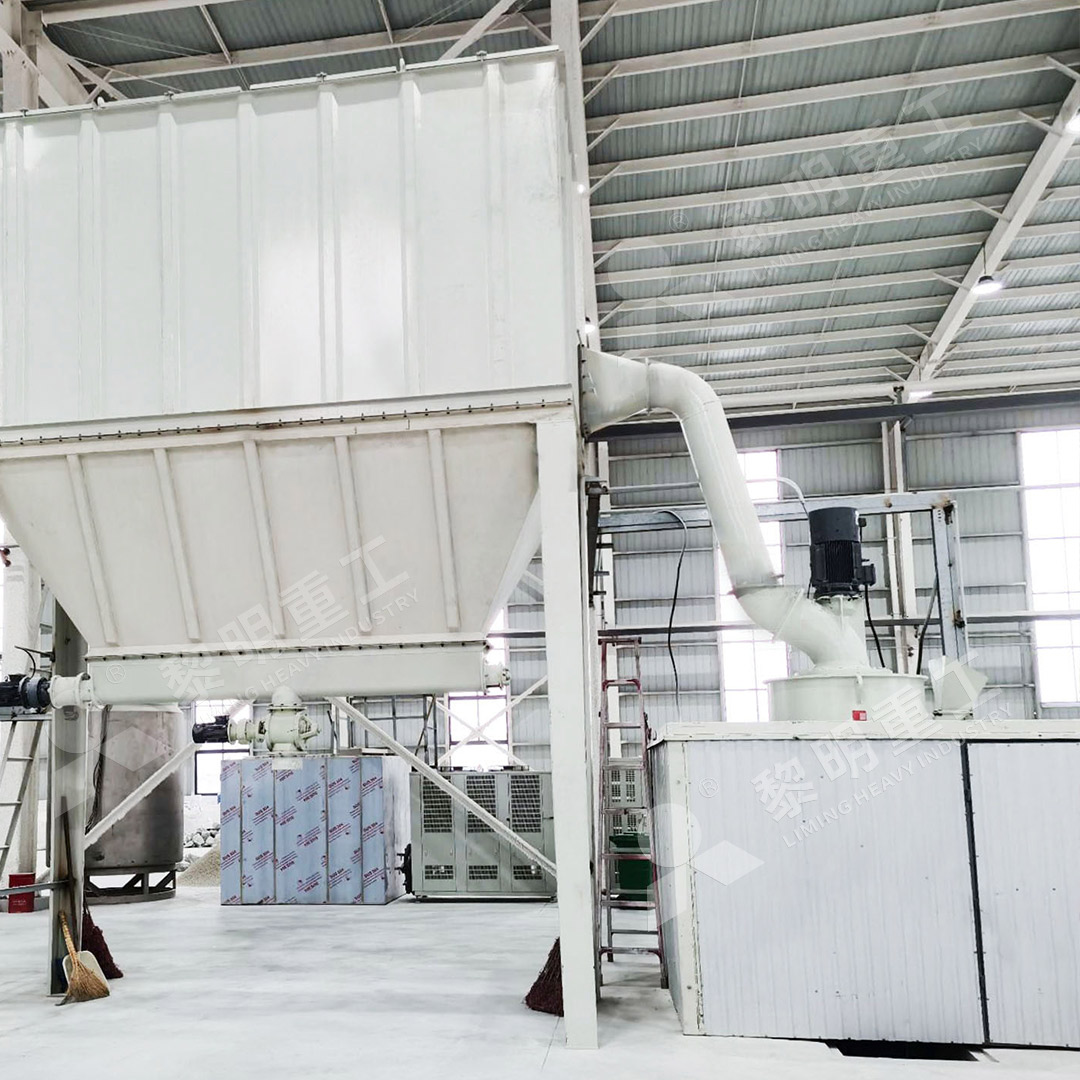
For operations requiring ultra-fine powders to achieve superior liberation of precious metals, the MW Ultrafine Grinding Mill represents a technological leap forward. Engineered for customers who need to produce ultra-fine powder between 325-2500 meshes, this machine features higher yielding capacity with lower energy consumption. With an input size of 0-20 mm and capacity ranging from 0.5-25 tph, it’s particularly suited for processing gold-bearing ores after the initial wash plant stage.
The MW Mill’s innovative design includes newly designed grinding curves of roller and ring that enhance grinding efficiency significantly. Compared to traditional mills, it offers 40% higher production capacity with the same fineness and power, while reducing system energy consumption to just 30% of jet grinding mills. Its German-designed cage-type powder selector ensures precise separation accuracy, achieving d97≤5μm in a single pass.
Operational Advantages for Mining Applications
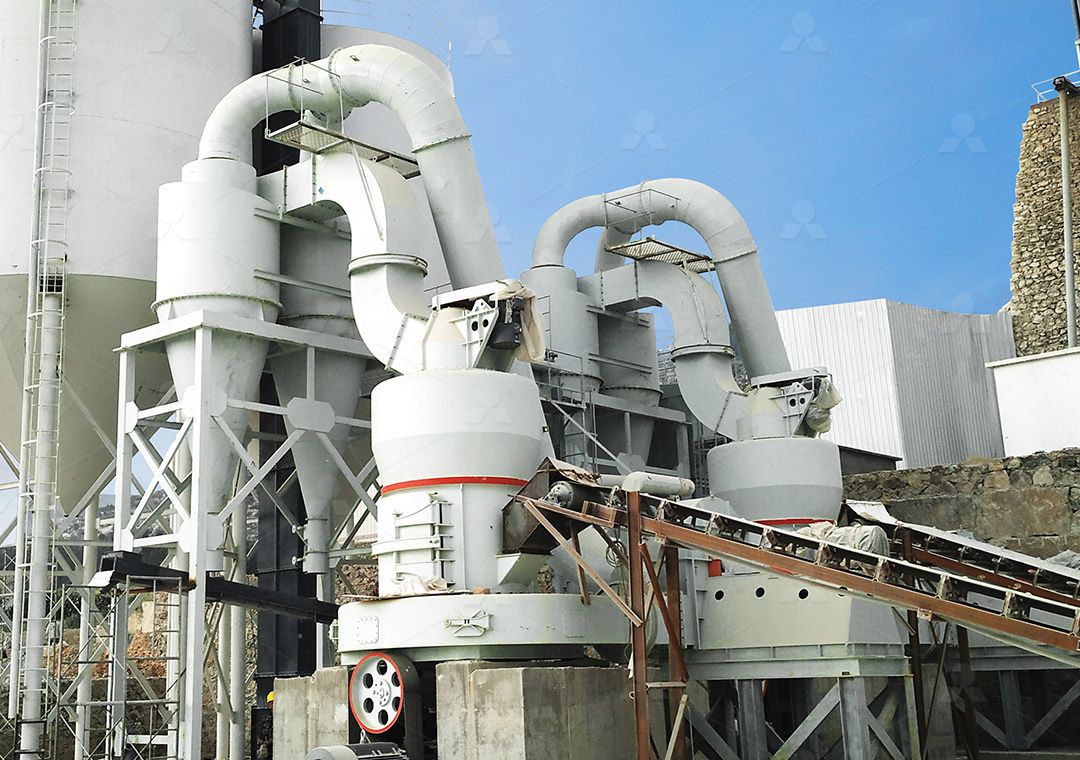
Beyond its impressive technical specifications, the MW Ultrafine Grinding Mill addresses practical mining concerns. The absence of rolling bearings and screws in the grinding chamber eliminates worries about bearing damage or machine failure caused by loose screws. External lubrication allows for maintenance without shutdowns, enabling continuous 24-hour operation crucial for mining profitability.
Environmental considerations are integrated into its design with an efficient pulse dust collector ensuring no dust pollution during operation. Combined with silencers and noise elimination features, the entire milling system operates well within national environmental protection standards, making it suitable for increasingly strict regulatory environments.
Complementary Technology: LUM Ultrafine Vertical Grinding Mill
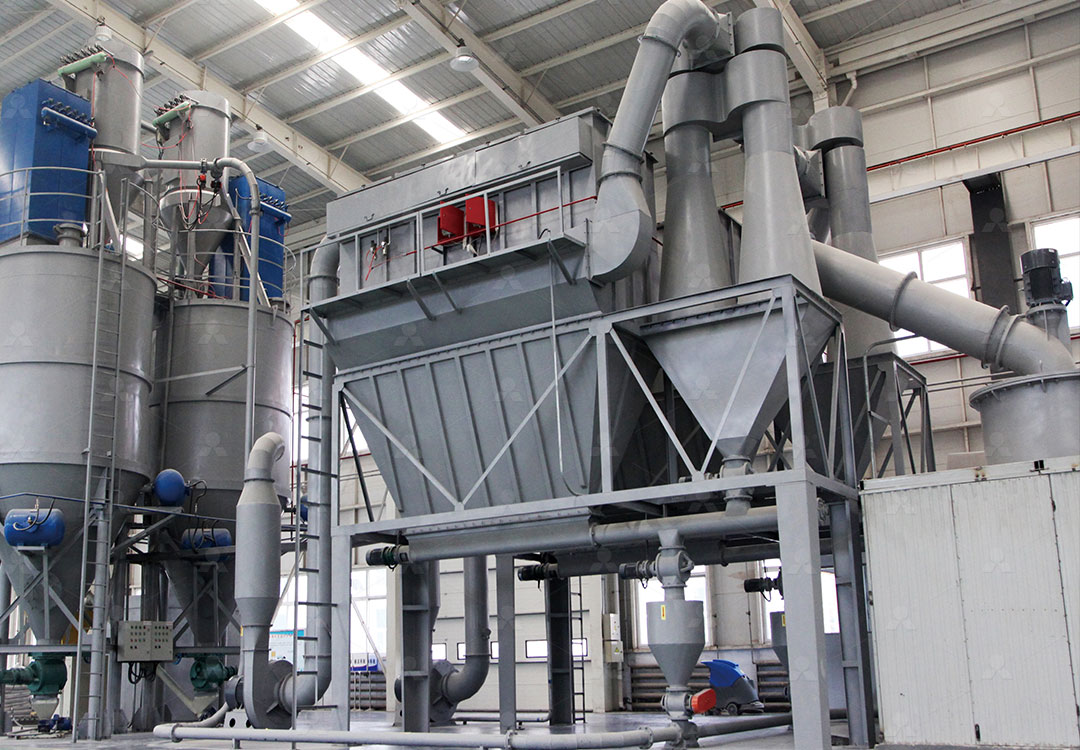
For operations requiring different specifications, our LUM Ultrafine Vertical Grinding Mill offers another excellent solution with input size of 0-10 mm and capacity of 5-18 tph. Integrating Taiwanese grinding roller technology with German powder separating technology, this vertical mill excels in processing superfine dry powder of non-metal ores often associated with gold deposits.
The LUM Mill features unique roller shell and lining plate grinding curves that generate material layers more effectively, enabling high rates of finished products through single-pass milling. Its double position-limiting technology provides exceptional operational stability, preventing destructive impacts from machine vibration—a critical feature in mining environments where explosive activities may cause ground disturbances.
Conclusion
Selecting the appropriate grinding mill technology is as crucial as implementing an efficient wash plant in gold mining operations. The right equipment significantly enhances recovery rates while reducing operational costs and environmental impact. With advanced solutions like the MW Ultrafine Grinding Mill and LUM Ultrafine Vertical Grinding Mill, mining operations can achieve unprecedented levels of efficiency in ore processing, ultimately leading to improved profitability and sustainable operations.
Frequently Asked Questions
Q: What fineness can the MW Ultrafine Grinding Mill achieve?
A: The MW Mill can produce powders between 325-2500 meshes, with screening rates achieving d97≤5μm in a single pass.
Q: How does the energy consumption compare to traditional grinding mills?
A: The MW Mill reduces system energy consumption to just 30% of jet grinding mills and offers 40% higher production capacity with the same fineness and power.
Q: Can these mills handle the abrasive nature of gold ores?
A: Yes, both MW and LUM Mills are designed with wear-resistant materials and innovative grinding curves specifically to handle abrasive materials common in mining applications.
Q: What environmental features are incorporated?
A: Both mills feature efficient pulse dust collectors, silencers, and noise elimination systems to minimize environmental impact and comply with strict regulatory standards.
Q: How is maintenance handled during continuous operations?
A: The MW Mill’s external lubrication system allows for maintenance without shutdowns, while the LUM Mill’s reversible structure enables easy access to grinding components for minimal downtime.