
Gold Crusher and Small Hammer Mills: Price Check and Buyer’s Guide South Africa
We provide a wide range of mills — including Raymond mill, trapezoidal mill, vertical mill, ultrafine mill, and ball mill, obtained ISO9001 international quality certification, EU CE certification, and Customs Union CU-TR certification. Suitable for processing minerals such as limestone, phosphate, quicklime, kaolin, talc, barite, bentonite, calcium carbonate, dolomite, coal, gypsum, clay, carbon black, slag, cement raw materials, cement clinker, and more.
The discharge range of these mills can be adjusted to meet specific processing needs, typically from 80-400 mesh, 600-3250 mesh, and can achieve the finest particle size of up to 6000 mesh(D50).
If you are looking for a reliable grinding solution to turn stone or minerals into fine powder, please feel free to contact our online customer service.
Gold Crusher and Small Hammer Mills: Price Check and Buyer’s Guide South Africa
For small-scale miners and processing plants across South Africa, selecting the right crushing and milling equipment is crucial for profitability. The choice often comes down to hammer mills for primary crushing and specialized grinding mills for fine powder production. This guide cuts through the noise to give you practical advice.
Understanding Your Crushing and Milling Needs
Hammer mills are the workhorses of small-scale gold processing. They’re relatively inexpensive, simple to operate, and effective at reducing ore to a workable size. Prices in South Africa can vary widely based on capacity and build quality. A basic, locally manufactured small hammer mill might start from around ZAR 25,000, while more robust, commercial-grade units can exceed ZAR 150,000. The key is to match the mill’s capacity (typically measured in tons per hour) to your expected throughput. Over-sizing leads to unnecessary capital expenditure; under-sizing creates a production bottleneck.
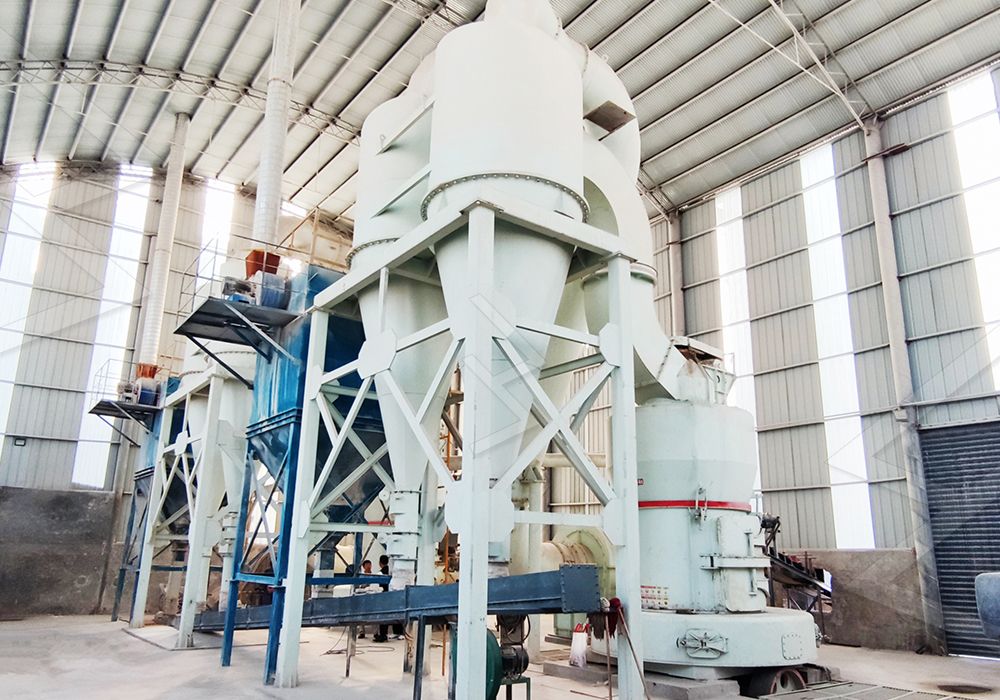
However, hammer mills are just the first step. For maximum gold recovery, especially from complex ores, you often need to create a much finer powder to liberate the gold particles. This is where the choice of a secondary grinding mill becomes critical. Moving beyond traditional ball mills, which can be inefficient and energy-intensive, modern ultrafine grinding technology offers significant advantages.
Beyond Crushing: The Importance of Ultrafine Grinding
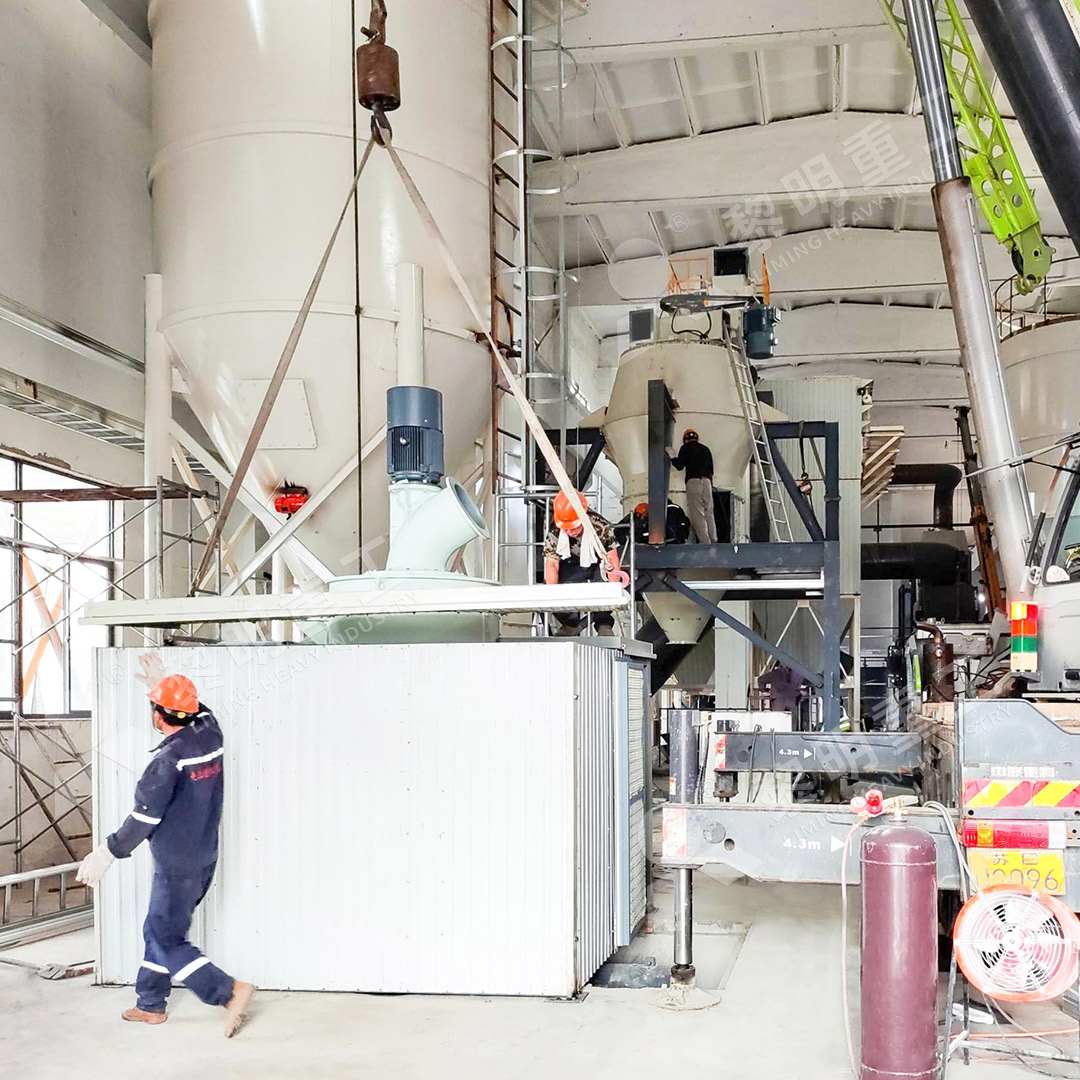
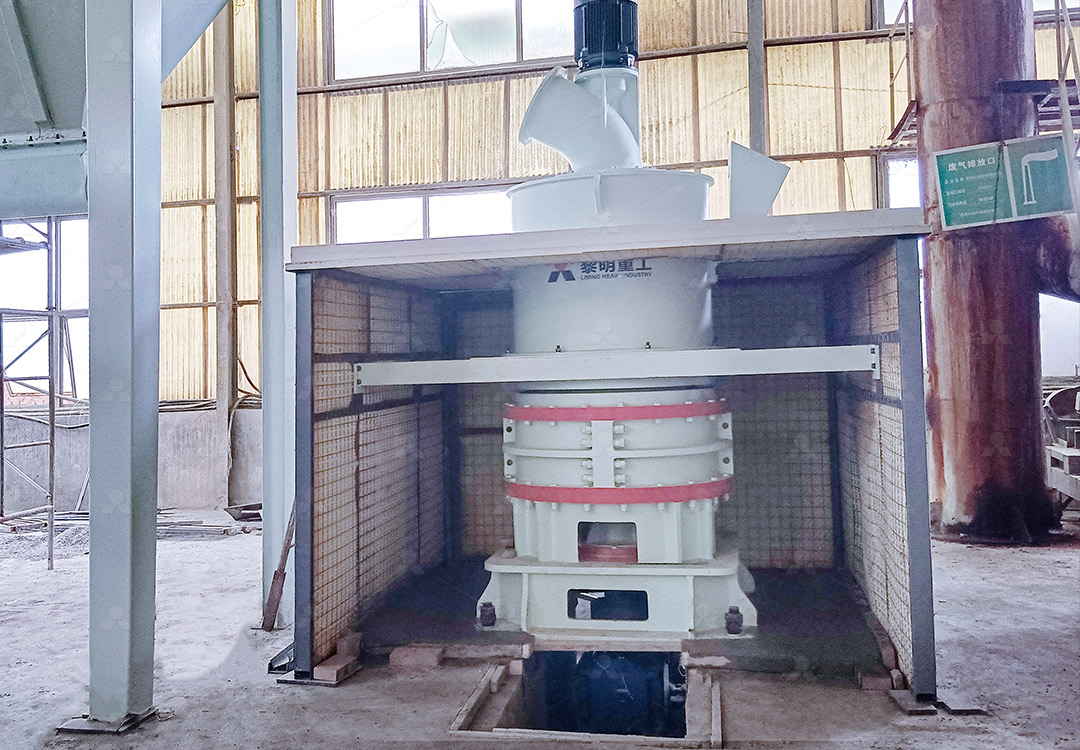
If your goal is to maximize yield, a hammer mill alone is not enough. The efficiency of your cyanidation or other recovery process depends heavily on the fineness of your feed material. This is where investing in a specialized grinding mill pays dividends. For operations requiring high-precision, ultra-fine powders, the MW Ultrafine Grinding Mill is an excellent solution. Designed for customers who need to make ultra-fine powder between 325 and 2500 meshes, this machine addresses common pain points. It features higher yielding and lower energy consumption—its production capacity is 40% higher than jet mills with system energy consumption only 30% of them. A significant design advantage is the absence of rolling bearings and screws in the grinding chamber, eliminating worries about bearing damage or machine failure from loose screws. Furthermore, its efficient pulse dust collector makes the operation eco-friendly, a growing concern for modern operations.
Making the Right Investment for South African Conditions
When evaluating prices, consider the total cost of ownership, not just the purchase price. Factors like energy consumption (a major ongoing cost), spare parts availability, and maintenance downtime are crucial. South African operations need robust equipment that can withstand local conditions and for which technical support and original spare parts are readily available.
For larger-scale operations or those processing slag or coal, the LM Vertical Grinding Mill presents a compelling option. It integrates crushing, drying, grinding, and classifying, reducing its footprint by 50% compared to a ball mill and saving 30%-40% in energy consumption. Its stability and automated control system make it a reliable choice for continuous, high-volume production.
Ultimately, the best setup involves a hammer mill for initial size reduction followed by an efficient grinding mill like the MW series for final liberation. This two-stage process ensures optimal recovery rates while managing operational costs.
Frequently Asked Questions (FAQ)
What is the typical price range for a small hammer mill in South Africa?
Prices can start from around ZAR 25,000 for basic models and go up to ZAR 150,000+ for higher-capacity, more durable units. Always request quotes from multiple suppliers.
Why should I consider an ultrafine mill after a hammer mill?
A hammer mill creates coarse particles. An ultrafine mill, like the MW Series, grinds material to a powder fine enough to liberate microscopic gold particles, dramatically increasing recovery rates during processing.
How does the MW Ultrafine Grinding Mill save on energy costs?
Its innovative grinding curve design enhances efficiency. It can achieve 40% higher production than jet mills while using only 30% of the energy, leading to significant long-term savings on electricity.
Is technical support available in South Africa for these mills?
Yes, manufacturers like LIMING provide comprehensive technical services and supply original spare parts to ensure worry-free operation, which is critical for minimizing downtime.
What is the main advantage of the LM Vertical Grinding Mill?
The LM Vertical Mill’s main advantage is its integration of multiple processes (drying, grinding, classifying) into a single, compact unit, which saves space and reduces overall energy consumption by 30%-40%.