
German Steel Mill Machinery: Top Manufacturers & Technology
We provide a wide range of mills — including Raymond mill, trapezoidal mill, vertical mill, ultrafine mill, and ball mill, obtained ISO9001 international quality certification, EU CE certification, and Customs Union CU-TR certification. Suitable for processing minerals such as limestone, phosphate, quicklime, kaolin, talc, barite, bentonite, calcium carbonate, dolomite, coal, gypsum, clay, carbon black, slag, cement raw materials, cement clinker, and more.
The discharge range of these mills can be adjusted to meet specific processing needs, typically from 80-400 mesh, 600-3250 mesh, and can achieve the finest particle size of up to 6000 mesh(D50).
If you are looking for a reliable grinding solution to turn stone or minerals into fine powder, please feel free to contact our online customer service.
German Steel Mill Machinery: Top Manufacturers & Technology
Germany’s reputation for precision engineering and manufacturing excellence is particularly evident in its steel mill machinery sector. For decades, German manufacturers have set the global standard for reliability, efficiency, and technological innovation in metal processing equipment. This leadership stems from a deep-rooted tradition of mechanical engineering combined with continuous investment in research and development.
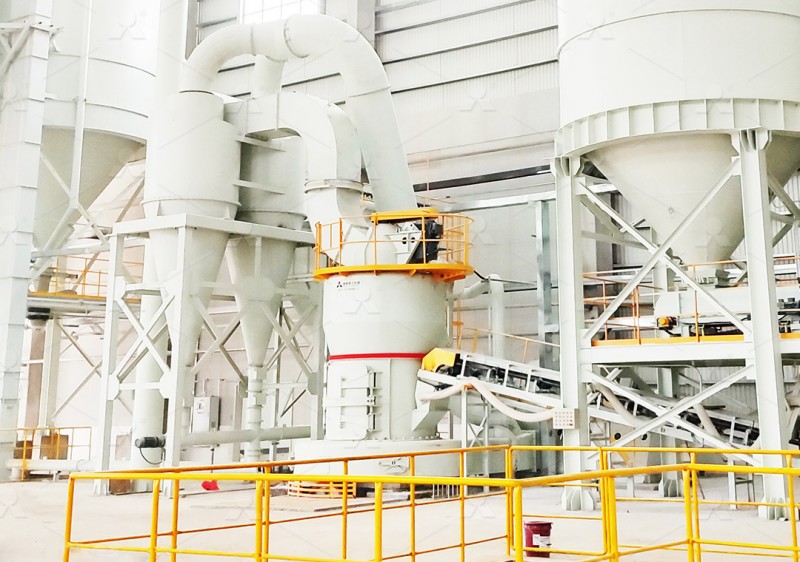
The core of German engineering philosophy lies in creating machinery that not only performs exceptionally but also operates sustainably. Modern German-designed mills integrate advanced automation, energy recovery systems, and minimal environmental impact as standard features. This holistic approach ensures that steel producers can meet increasingly stringent regulatory requirements while maintaining profitability.
Key Technological Advancements
Several technological breakthroughs have emerged from German engineering firms recently. These include AI-powered predictive maintenance systems that analyze equipment vibration and temperature data to prevent unplanned downtime. Additionally, advanced hydraulic and control systems allow for real-time adjustments to grinding pressure and speed, optimizing performance for specific material characteristics.
Another significant innovation is the development of specialized grinding solutions for ultra-fine powder production. For operations requiring precise particle size distribution down to the micrometer level, technology like the MW Ultrafine Grinding Mill represents the cutting edge. With an input size of 0-20 mm and capacity ranging from 0.5-25 tph, this equipment is engineered for customers needing to produce high-quality ultra-fine powder efficiently. The mill features higher yielding with lower energy consumption, achieving production capacity 40% higher than jet grinding mills while using only 30% of the energy. Its adjustable fineness between 325-2500 meshes makes it exceptionally versatile for various applications including limestone, calcite, dolomite, and petroleum coal processing.

Manufacturing Excellence and Quality Control
German machinery manufacturers maintain rigorous quality control standards throughout the production process. Digitalized processing with numerical control machine tools ensures high precision, especially for core components. This attention to detail results in equipment with extended service life and reduced maintenance requirements.
For vertical grinding applications, the LUM Ultrafine Vertical Grinding Mill demonstrates German engineering principles with its higher yielding rate and better quality output. Independently designed with a capacity of 5-18 tph, it incorporates the latest grinding roller technology and German powder separating technology. The mill’s double position-limiting technology ensures stable operation, while its reversible structure simplifies maintenance procedures significantly.
Sustainability and Environmental Considerations
Modern German steel mill equipment prioritizes environmental protection without compromising performance. Advanced dust removal systems, such as pulse collectors, effectively contain particulate matter during operation. Additionally, noise reduction technologies including silencers and noise elimination rooms ensure compliance with workplace safety regulations.
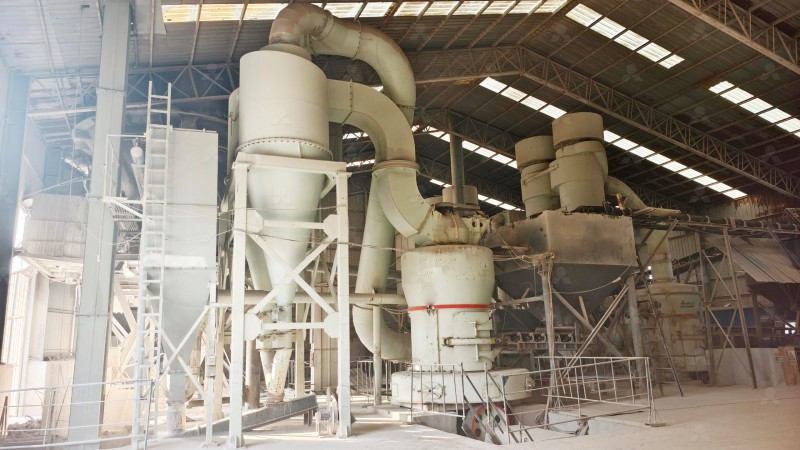
The MW Ultrafine Grinding Mill exemplifies this commitment with its eco-friendly operation. The entire milling system generates no dust pollution thanks to efficient pulse dust collection, and operations are fully organized according to national environmental protection standards. This approach allows manufacturers to maintain production efficiency while minimizing their ecological footprint.
Future Trends in Steel Mill Machinery
The future of German steel mill technology points toward increased digitalization and connectivity. Industry 4.0 concepts are being integrated into new equipment, enabling remote monitoring, data analytics, and fully automated operation. These smart factories will self-optimize based on real-time production data, further enhancing efficiency and reducing operational costs.
Frequently Asked Questions
What makes German steel mill machinery different from other manufacturers?
German machinery is distinguished by its precision engineering, rigorous quality control, and integration of advanced technologies. The focus on durability, energy efficiency, and environmental compliance sets it apart in the global market.
How important is energy efficiency in modern grinding mills?
Extremely important. Energy consumption represents a significant portion of operational costs. German-designed mills like the MW Ultrafine Grinding Mill can reduce energy usage by up to 70% compared to conventional mills while maintaining high production output.
What maintenance advantages do German-designed mills offer?
Features like external lubrication systems allow for maintenance without shutdowns, enabling continuous 24-hour operation. The absence of rolling bearings and screws in the grinding chamber of mills like the MW series eliminates common failure points and reduces maintenance requirements.
Can German machinery handle different types of materials?
Yes, German engineering emphasizes versatility. Equipment is designed to process various materials including limestone, calcite, dolomite, petroleum coal, gypsum, barite, and marble with consistent results across different material characteristics.
What environmental features are incorporated into modern German mills?
Contemporary designs include comprehensive dust collection systems, noise reduction technology, and energy-efficient operations that exceed international environmental standards, ensuring minimal ecological impact.