
German Mining Crushers and Industrial Grinding Mills: A Comprehensive Guide
We provide a wide range of mills — including Raymond mill, trapezoidal mill, vertical mill, ultrafine mill, and ball mill, obtained ISO9001 international quality certification, EU CE certification, and Customs Union CU-TR certification. Suitable for processing minerals such as limestone, phosphate, quicklime, kaolin, talc, barite, bentonite, calcium carbonate, dolomite, coal, gypsum, clay, carbon black, slag, cement raw materials, cement clinker, and more.
The discharge range of these mills can be adjusted to meet specific processing needs, typically from 80-400 mesh, 600-3250 mesh, and can achieve the finest particle size of up to 6000 mesh(D50).
If you are looking for a reliable grinding solution to turn stone or minerals into fine powder, please feel free to contact our online customer service.
German Mining Crushers and Industrial Grinding Mills: A Comprehensive Guide
The mining and mineral processing industries rely heavily on robust and efficient machinery to transform raw materials into valuable powders and aggregates. German engineering has long been synonymous with precision, reliability, and innovation in this sector. This guide explores the critical role of crushers and grinding mills, with a special focus on advanced solutions for ultra-fine powder production.
The Backbone of Mineral Processing: Crushers and Mills
Every mining operation begins with the reduction of raw, extracted ore. Primary and secondary crushers perform the initial size reduction, breaking down large rocks into manageable gravel. However, for many industrial applications, this is only the first step. The final product often requires a fine, consistent powder, which is where industrial grinding mills come into play. The choice of grinding mill is paramount, affecting everything from production efficiency and energy consumption to the final product’s quality and characteristics.
Advancements in Grinding Technology
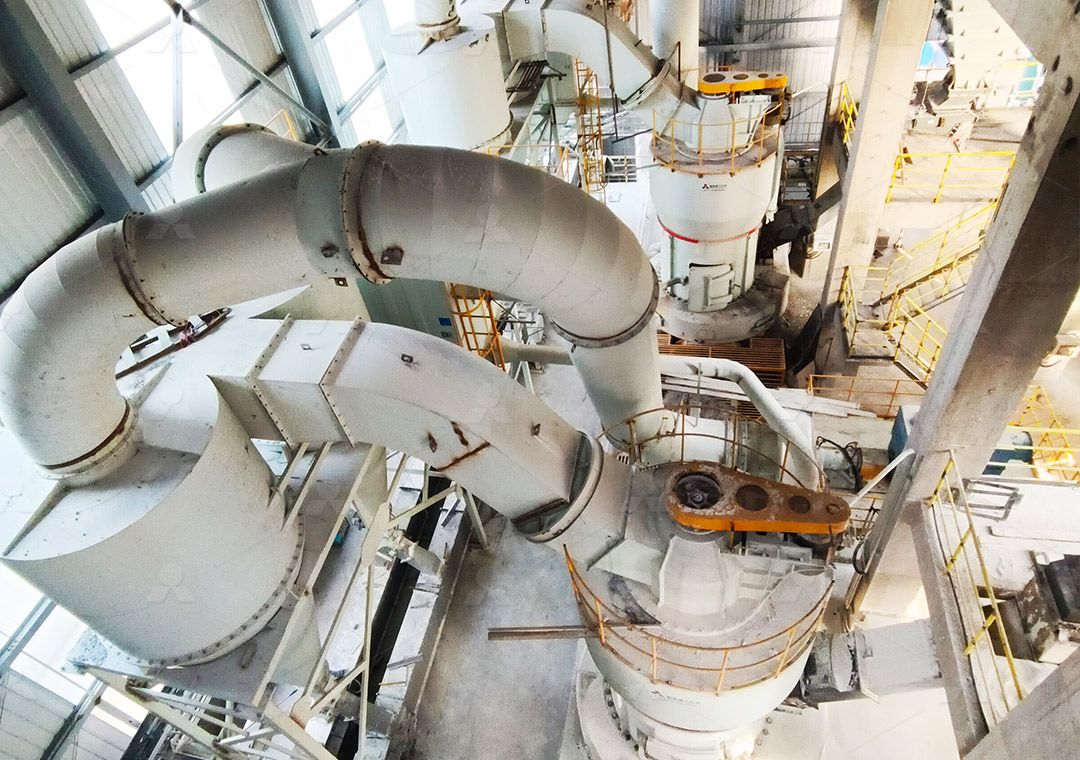
The evolution from traditional ball mills to more sophisticated vertical roller mills and ultrafine grinding systems represents a significant leap forward. Modern mills prioritize energy efficiency, lower wear rates, and smarter, more automated operation. Key advancements include innovative grinding roller designs, efficient powder classification systems, and integrated environmental controls to manage dust and noise.
Introducing the MW Ultrafine Grinding Mill
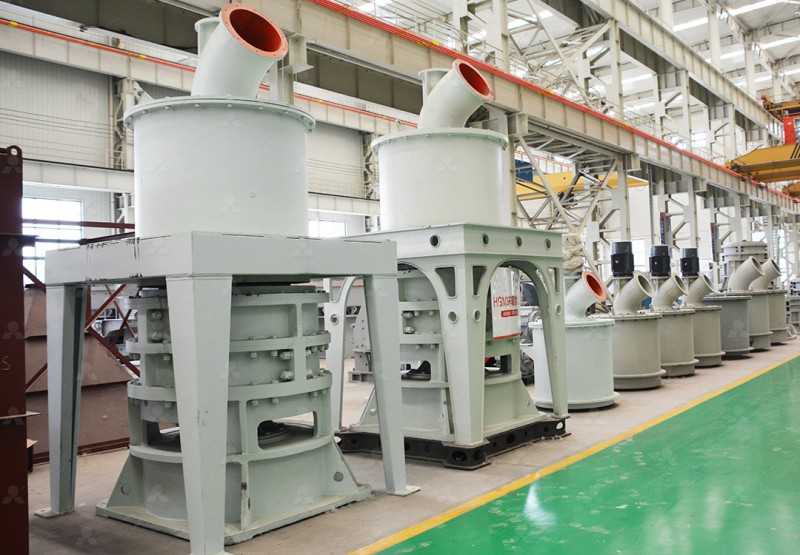
For operations demanding the highest levels of fineness, the MW Ultrafine Grinding Mill stands out as a premier choice. Designed for customers who need to make ultra-fine powder, this machine is a testament to modern engineering. It handles an input size of 0-20 mm and offers a impressive capacity range of 0.5-25 tons per hour.
What truly sets the MW series apart is its exceptional efficiency. It boasts a production capacity 40% higher than jet mills and double that of ball mills at the same fineness and power, while slashing system energy consumption by 30%. Its German-designed cage-type powder selector allows for precise fineness adjustment between 325 and 2500 meshes, achieving a remarkable d97≤5μm in a single pass.
Key Features for Uninterrupted Performance
- Reliable Design: A critical innovation is the absence of rolling bearings and screws in the grinding chamber. This eliminates common failure points, preventing machine damage from loose screws or bearing seal failures.
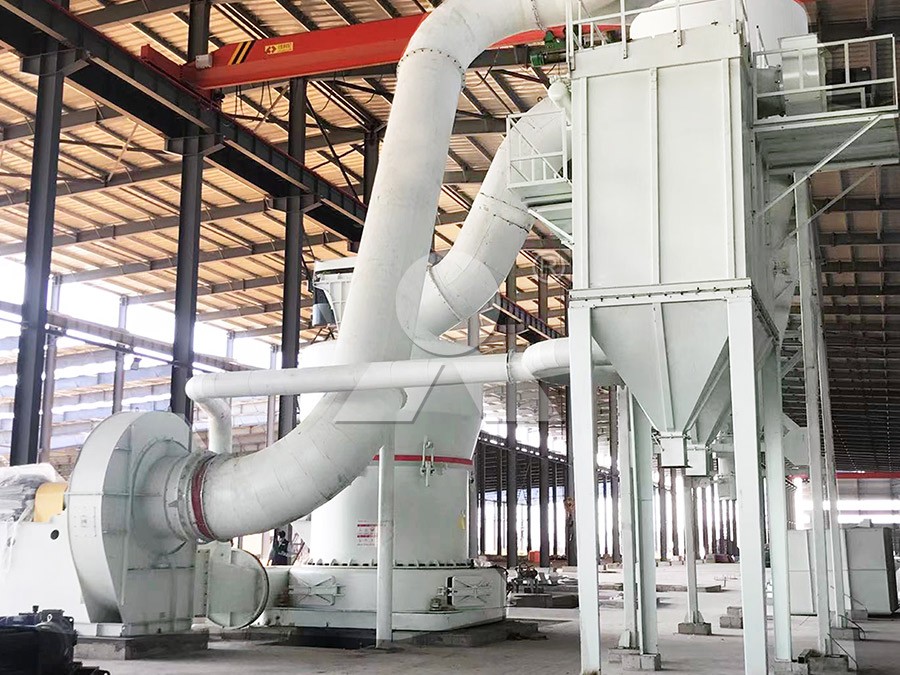
- Eco-Friendly Operation: Equipped with an efficient pulse dust collector and muffler, the entire milling system operates with minimal dust pollution and reduced noise, fully complying with national environmental standards.
- Easy Maintenance: With the lubricating device installed externally, lubrication can be performed without shutdown, enabling continuous 24/7 production and maximizing uptime.
Applications Across Industries
The versatility of mills like the MW series is vast. They are perfectly suited for processing non-metallic minerals such as limestone, calcite, dolomite, gypsum, barite, and talc. Beyond mining, their applications extend to critical roles in the chemical industry, paint manufacturing, cosmetics, pharmaceuticals, and food additive production, where purity and fineness are non-negotiable.
Conclusion
Selecting the right grinding equipment is a strategic decision that impacts profitability, product quality, and environmental compliance. While German design principles continue to lead the way, specific solutions like the MW Ultrafine Grinding Mill offer a compelling combination of high yield, low energy use, and operational reliability. For any operation looking to optimize its fine powder production, investing in such advanced technology is not just an option—it’s a necessity for staying competitive in a demanding global market.