
German Marble Powder Mill Machines: A Guide to Manufacturers and Technology
We provide a wide range of mills — including Raymond mill, trapezoidal mill, vertical mill, ultrafine mill, and ball mill, obtained ISO9001 international quality certification, EU CE certification, and Customs Union CU-TR certification. Suitable for processing minerals such as limestone, phosphate, quicklime, kaolin, talc, barite, bentonite, calcium carbonate, dolomite, coal, gypsum, clay, carbon black, slag, cement raw materials, cement clinker, and more.
The discharge range of these mills can be adjusted to meet specific processing needs, typically from 80-400 mesh, 600-3250 mesh, and can achieve the finest particle size of up to 6000 mesh(D50).
If you are looking for a reliable grinding solution to turn stone or minerals into fine powder, please feel free to contact our online customer service.
German Marble Powder Mill Machines: A Guide to Manufacturers and Technology
The pursuit of ultra-fine marble powder for high-value applications like paints, cosmetics, and high-grade plastics demands precision engineering and robust technology. German engineering has long been synonymous with reliability and innovation in this sector, setting global benchmarks for efficiency and particle size control. This guide explores the core technologies and considerations for selecting the right milling equipment for marble processing.
The Technological Edge in Marble Grinding
Modern marble powder production goes beyond simple crushing. The goal is to achieve a consistent, ultra-fine powder with a narrow particle size distribution. Key technological advancements include advanced powder separators for precise classification, efficient grinding curves on rollers and rings for maximum yield, and integrated systems that handle drying, grinding, and classification within a single, compact unit. German-designed mills often incorporate PLC control systems, allowing for digital management of grinding pressure, speed, and fineness, ensuring repeatable quality batch after batch.
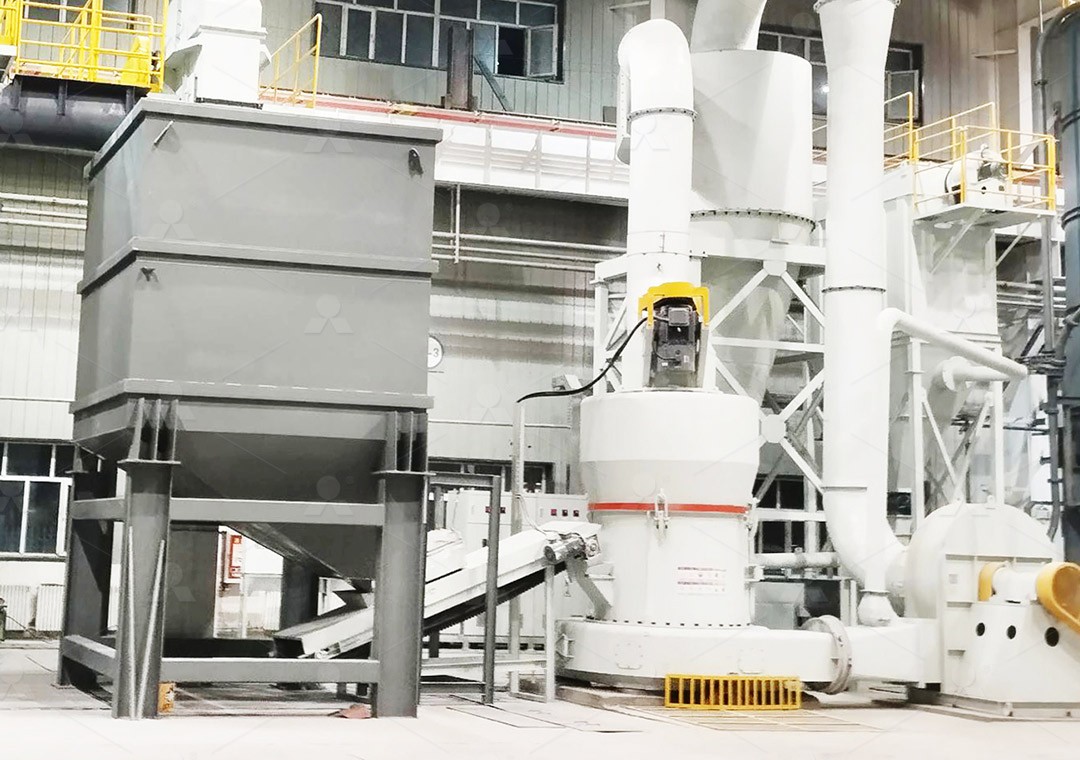
Selecting the Right Mill for Your Needs
Choosing the appropriate mill depends on several factors: desired fineness (meshes or microns), required capacity (tons per hour), and the specific application of the final product. For projects requiring exceptionally fine powders up to 2500 meshes, an ultrafine grinding mill is essential. These machines are engineered to minimize energy consumption while maximizing output, a critical consideration for cost-effective operation.
A prime example of this advanced technology is the MW Ultrafine Grinding Mill. Designed for customers needing to make ultra-fine powder, this mill is an excellent choice for processing marble. It handles an input size of 0-20 mm with a capacity ranging from 0.5 to 25 tph. Its cage-type powder selector, which adopts German technology, allows for adjustable fineness between 325-2500 meshes with high precision. Furthermore, its design eliminates rolling bearings and screws in the grinding chamber, mitigating common failure points and enabling worry-free, continuous 24/7 operation. The integration of an efficient pulse dust collector and muffler ensures the production process is both clean and quiet, meeting stringent environmental standards.

Beyond Ultrafine: Versatile Milling Solutions
For operations that require a highly automated, large-capacity solution for slightly coarser grinds, the LUM Ultrafine Vertical Grinding Mill presents a compelling option. With an input size of 0-10 mm and a capacity of 5-18 tph, it integrates ultrafine powder grinding, grading, and transporting. It features a unique roller shell and lining plate grinding curve that promotes easy material layer formation, resulting in a high rate of finished product in a single pass. This enhances the whiteness and cleanliness of the marble powder, which is crucial for premium applications. Its reversible structure simplifies maintenance, allowing for easy access to grinding rollers.
Conclusion
Investing in the right marble powder mill technology is a strategic decision that impacts product quality, operational costs, and environmental compliance. By focusing on manufacturers that prioritize German-inspired engineering principles—such as energy efficiency, operational stability, and digital precision—businesses can secure a competitive advantage in the high-stakes market for fine mineral powders.

Frequently Asked Questions (FAQ)
What is the typical fineness range achievable for marble powder?
With advanced mills like the MW series, fineness can be precisely adjusted between 325 and 2500 meshes (approximately 45 to 5 microns).
How important is energy efficiency in selecting a mill?
Extremely important. Modern mills can reduce energy consumption by 30-50% compared to older technologies like ball mills, significantly lowering long-term operating costs.
What maintenance features should I look for?
Look for designs that facilitate easy maintenance, such as external lubrication systems, reversible roller structures, and the absence of internal components prone to failure, which minimize downtime.
Can these mills handle other materials besides marble?
Yes. Mills like the MW and LUM are versatile and can process a wide range of non-metallic minerals, including limestone, calcite, dolomite, talc, and barite.