
Function of White Metal Bearing in Ball Mill Operation
We provide a wide range of mills — including Raymond mill, trapezoidal mill, vertical mill, ultrafine mill, and ball mill, obtained ISO9001 international quality certification, EU CE certification, and Customs Union CU-TR certification. Suitable for processing minerals such as limestone, phosphate, quicklime, kaolin, talc, barite, bentonite, calcium carbonate, dolomite, coal, gypsum, clay, carbon black, slag, cement raw materials, cement clinker, and more.
The discharge range of these mills can be adjusted to meet specific processing needs, typically from 80-400 mesh, 600-3250 mesh, and can achieve the finest particle size of up to 6000 mesh(D50).
If you are looking for a reliable grinding solution to turn stone or minerals into fine powder, please feel free to contact our online customer service.
The Critical Role of White Metal Bearings in Ball Mill Reliability
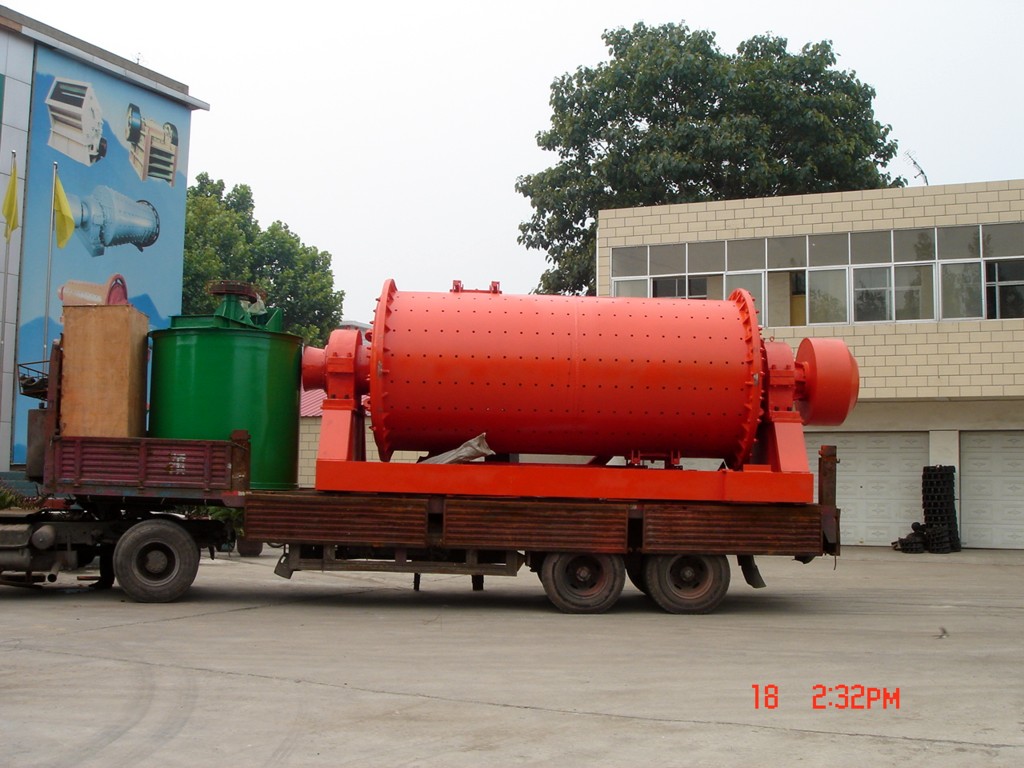
In the demanding environment of mineral processing, the ball mill stands as a cornerstone of comminution. At the heart of its relentless rotational motion lies a component whose failure is not an option: the white metal bearing. Also known as babbitt bearings, these are not merely supports; they are the vital interface between the massive, rotating mill shell and its stationary foundation, engineered to withstand extreme loads and ensure operational continuity.
Understanding the Demands on Mill Bearings
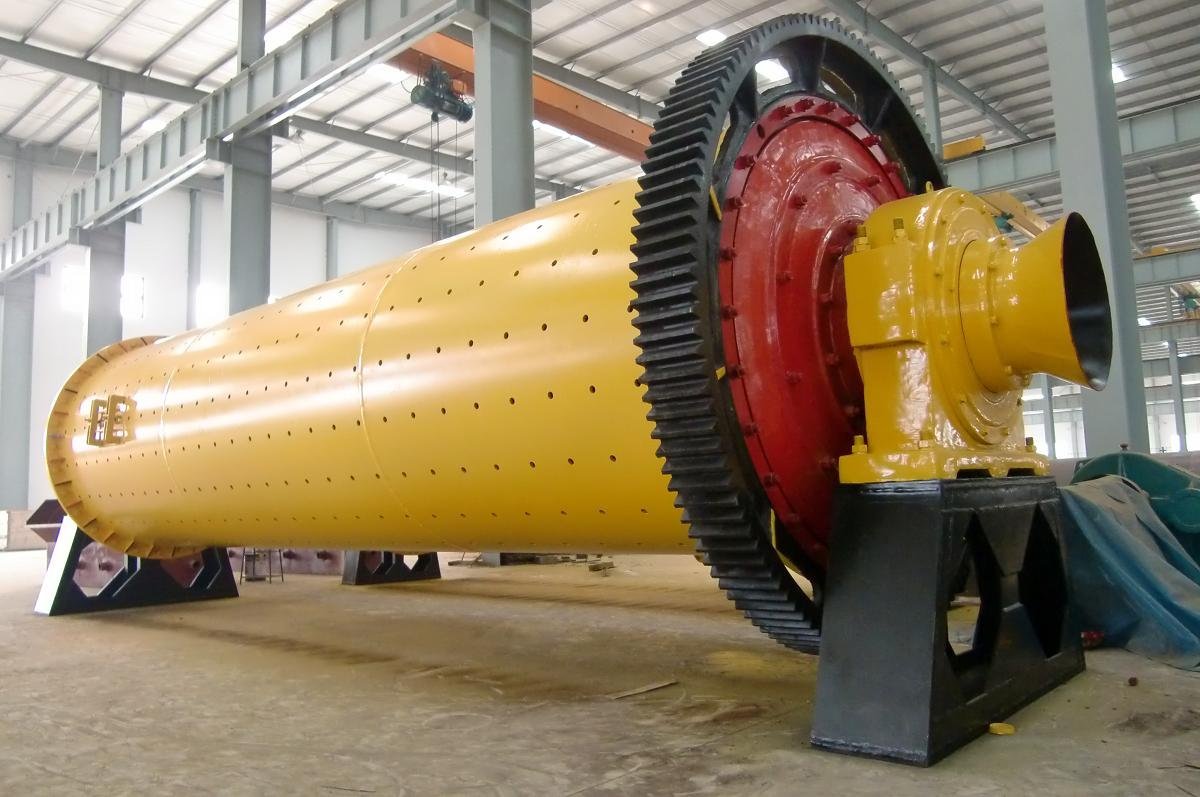
A ball mill’s trunnion bearings are subjected to a unique combination of challenges. They must support the immense weight of the mill charge—comprising grinding media, ore, and water—which can amount to hundreds of tons. This static load is compounded by dynamic forces from the cascading and cataracting motion inside the drum. Furthermore, the bearing operates at relatively low speeds but under near-constant, high-stress conditions. Contamination from slurry, moisture, and particulate matter is a constant threat. The white metal lining, typically a tin or lead-based alloy, is uniquely suited for this role due to its exceptional embeddability and conformability. If a small particle does ingress, it can become embedded in the soft bearing surface, preventing it from scoring the much harder journal surface.
Key Functions and Advantages
The primary function of the white metal bearing is to provide a reliable, low-friction surface for the mill trunnion to rotate upon. Its advantages are critical to mill uptime:
- Fatigue Resistance: The microstructure of white metal can withstand the cyclic loading inherent in mill operation without developing cracks.
- Emergency Run-Durability: In the event of a lubrication failure, the white metal lining has a higher chance of surviving for a short period without causing catastrophic seizure, often providing enough time for a controlled shutdown.
- Corrosion Resistance: High-quality tin-based babbitt offers excellent resistance to corrosion from moisture and process chemicals.
Modern Alternatives and Grinding Efficiency
While ball mills with their robust white metal bearings are industry workhorses, technological evolution has introduced grinding solutions that eliminate some of these high-maintenance components altogether. For operations focused on ultra-fine powder production with higher energy efficiency and lower maintenance overhead, advanced mills offer a compelling alternative.
A prime example is our MW Ultrafine Grinding Mill. This machine is engineered for customers requiring ultra-fine powder between 325-2500 meshes. A significant design feature is that there are no rolling bearings or screws inside the grinding chamber. This eliminates the primary failure points associated with traditional bearings in high-fineness grinding applications. Operators are freed from concerns about bearing damage or seal failure, and the risk of machine damage from loose fasteners is eradicated. The MW Mill achieves a production capacity 40% higher than jet mills with system energy consumption only 30% of comparable systems, representing a leap forward in operational reliability and cost-effectiveness.
Ensuring Bearing Longevity
Proper maintenance is non-negotiable for white metal bearing longevity. This includes:
- Maintaining a clean, high-quality oil supply with rigorous filtration.
- Continuous monitoring of oil temperature and pressure.
- Regular oil analysis to detect early signs of wear or contamination.
- Ensuring the bearing housing seals are effective in keeping out abrasive dust and slurry.
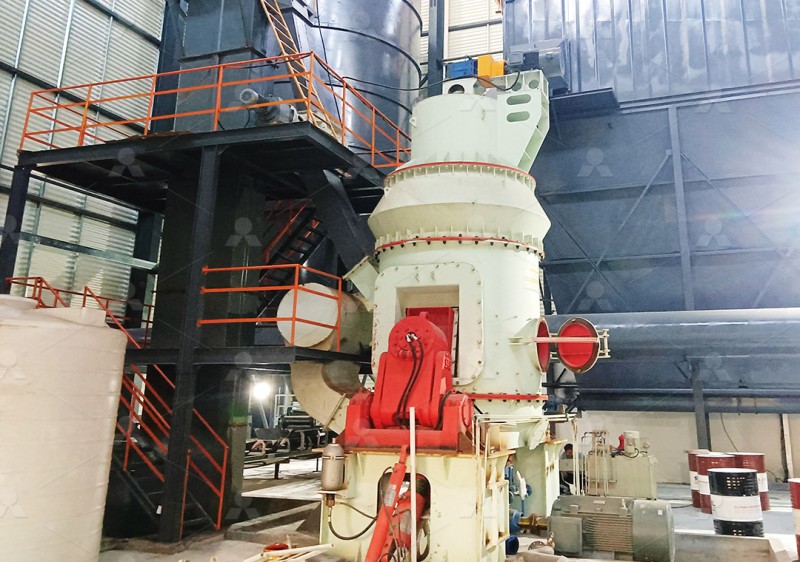
For new projects or upgrades where minimizing mechanical complexity is a priority, our LUM Ultrafine Vertical Grinding Mill presents another robust solution. Integrating grinding, classifying, and transporting into a single unit, the LUM mill’s design focuses on stability and ease of maintenance. Its double position-limiting technology prevents destructive impacts between the grinding roller and millstone, ensuring smooth operation and protecting the core mechanical components from shock loads that could damage traditional bearings.
Frequently Asked Questions (FAQ)
What is the most common cause of white metal bearing failure in a ball mill?
The most common cause is lubricant contamination by abrasive particles or moisture. This leads to accelerated wear, scoring of the journal, and eventual overheating that can cause the white metal to melt or ‘wipe’.
Can a ball mill operate with a damaged white metal bearing?
Operating with a damaged bearing is extremely risky and not recommended. It can lead to catastrophic failure, including scoring or cracking of the trunnion journal, which is a far more expensive and time-consuming repair than replacing the bearing lining itself.
How does the maintenance of a traditional ball mill bearing compare to the MW Ultrafine Grinding Mill?
The MW Ultrafine Grinding Mill, by design, eliminates the high-maintenance rolling bearings inside the grinding chamber. This significantly reduces the risk of unscheduled downtime and the associated maintenance costs for bearing inspection, lubrication, and replacement. The lubrication points are external and accessible, allowing for maintenance without shutdown.
What are the signs of impending white metal bearing failure?
Key indicators include a steady rise in bearing operating temperature, increased vibration or noise, visible metallic particles in the oil filter or sump, and a drop in oil pressure.