
From Waste to Resource: How Grinding Slag Creates Eco-Friendly Building Materials
We provide a wide range of mills — including Raymond mill, trapezoidal mill, vertical mill, ultrafine mill, and ball mill, obtained ISO9001 international quality certification, EU CE certification, and Customs Union CU-TR certification. Suitable for processing minerals such as limestone, phosphate, quicklime, kaolin, talc, barite, bentonite, calcium carbonate, dolomite, coal, gypsum, clay, carbon black, slag, cement raw materials, cement clinker, and more.
The discharge range of these mills can be adjusted to meet specific processing needs, typically from 80-400 mesh, 600-3250 mesh, and can achieve the finest particle size of up to 6000 mesh(D50).
If you are looking for a reliable grinding solution to turn stone or minerals into fine powder, please feel free to contact our online customer service.
From Waste to Resource: How Grinding Slag Creates Eco-Friendly Building Materials
The construction industry is undergoing a green revolution, and at the heart of this transformation lies the innovative repurposing of industrial byproducts. Slag, a glass-like byproduct left over after smelting metal ore, has long been considered a waste material. However, through advanced grinding technology, this industrial residue is being transformed into high-value, eco-friendly building materials, closing the loop on waste and creating a more sustainable future.
The Problem with Slag: An Environmental Burden
Traditional disposal methods for slag have created significant environmental challenges. Stockpiling vast quantities of this material consumes valuable land resources, while rainwater leaching can potentially contaminate soil and groundwater. The sheer volume of slag produced by metallurgical industries worldwide represents both an environmental liability and a missed opportunity for resource recovery.
The Transformation Process: From Coarse Waste to Fine Resource
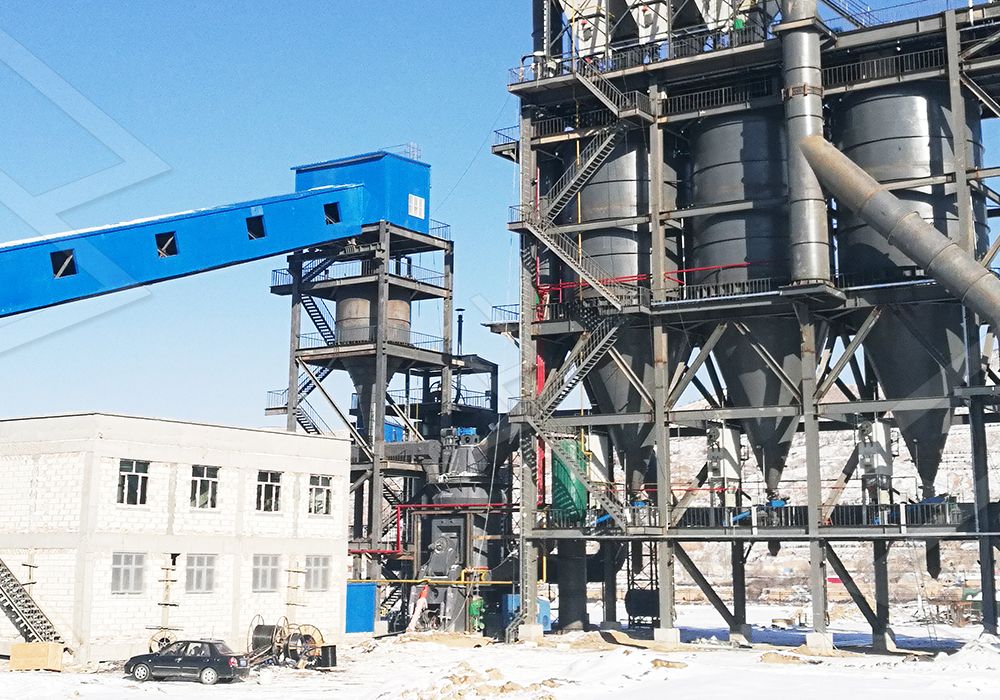
The key to unlocking slag’s potential lies in precise grinding technology that can reduce this hard, abrasive material to precisely controlled particle sizes. The transformation process begins with crushing larger slag pieces, followed by sophisticated grinding operations that create fine powders with specific properties ideal for construction applications.
What makes this process particularly challenging is slag’s variable composition and extreme abrasiveness. Ordinary grinding equipment often fails to achieve the necessary fineness while maintaining economic viability. This is where specialized grinding technology makes all the difference.
Technical Solutions for Sustainable Processing
Modern grinding mills designed specifically for industrial byproducts like slag must combine several critical features: exceptional wear resistance to handle abrasive materials, precise particle size control, energy efficiency, and comprehensive dust collection systems to maintain clean operations.
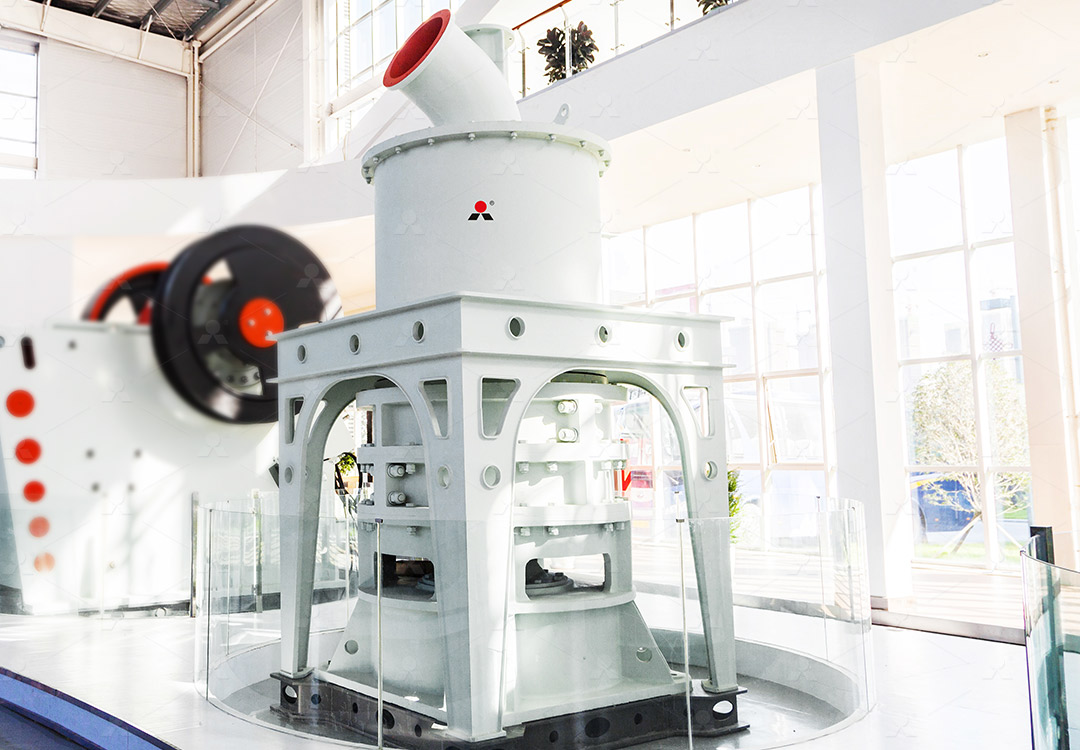
Among the most effective solutions for slag processing is our MW Ultrafine Grinding Mill, which represents a breakthrough in sustainable material processing. This advanced equipment features:
- Input Size: 0-20 mm capacity: 0.5-25 tph
- Higher yielding with lower energy consumption (40% higher capacity than jet mills)
- Adjustable fineness between 325-2500 meshes with precision powder selection
- No rolling bearings or screws in the grinding chamber, eliminating common failure points
- Efficient pulse dust collector making operations eco-friendly
The MW Ultrafine Grinding Mill’s unique design eliminates traditional concerns about bearing damage or loose screws causing machine failure. Its external lubrication system allows for continuous 24-hour operation without shutdowns for maintenance, significantly improving productivity while processing slag into valuable construction materials.
Applications of Processed Slag in Construction
Once properly ground, slag finds numerous applications in eco-friendly building materials:
Slag Cement: Ground granulated blast furnace slag (GGBFS) partially replaces Portland cement in concrete, reducing the carbon footprint of construction while improving durability, chemical resistance, and long-term strength.
Green Concrete: Slag-based concrete offers enhanced workability, reduced permeability, and improved resistance to sulfate attack and alkali-silica reaction, making it ideal for infrastructure projects in challenging environments.
Geopolymer Applications: Finely ground slag serves as a precursor material for geopolymer binders, which offer a low-carbon alternative to traditional cement with excellent mechanical properties and chemical resistance.
Lightweight Aggregates: Processed slag can be expanded to create lightweight aggregates for insulation concrete, reducing structural loads while improving thermal performance.
Environmental Benefits: A Circular Economy in Action
The transformation of slag into building materials represents a perfect example of circular economy principles at work. This process delivers multiple environmental benefits:
- Resource Conservation: Reduces demand for virgin raw materials like limestone and clay
- Energy Savings: Slag processing requires significantly less energy than manufacturing Portland cement from raw materials
- Carbon Reduction: Slag substitution in cement can reduce CO2 emissions by up to 40% compared to traditional Portland cement production
- Waste Minimization: Diverts industrial byproducts from landfills, reducing environmental liabilities
Economic Advantages: Turning Liability into Asset
Beyond environmental benefits, slag repurposing creates significant economic value. What was once a disposal cost center becomes a revenue stream. Construction companies benefit from high-performance materials often available at competitive prices, while metallurgical operations transform waste management expenses into new profit centers.
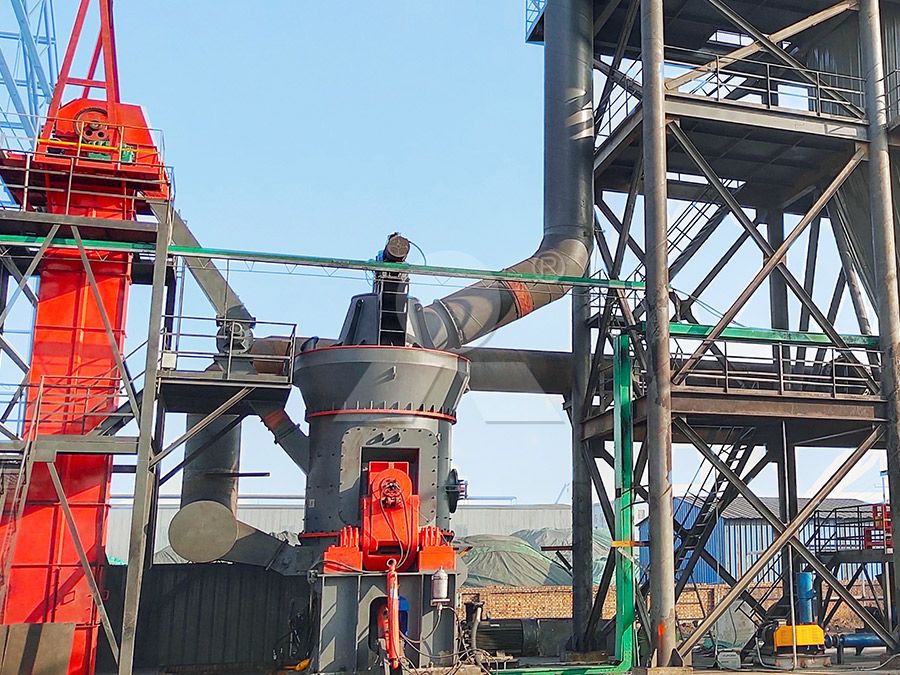
The economic case strengthens further when considering our LUM Ultrafine Vertical Grinding Mill, which offers additional advantages for slag processing:
- Input Size: 0-10 mm capacity: 5-18 tph
- Higher yielding rate with better quality finished products
- Energy-saving multi-head powder separating technology reducing consumption by 30%-50%
- Double position-limiting technology for stable operation
- Reversible structure for easier maintenance
The Future of Sustainable Construction
As sustainability becomes increasingly central to construction practices, the demand for eco-friendly materials like processed slag will continue to grow. Advanced grinding technology enables this transformation, turning industrial waste into high-performance building resources.
The journey from waste to resource exemplifies how technological innovation can drive environmental progress. With equipment like our MW Ultrafine Grinding Mill and LUM Ultrafine Vertical Grinding Mill, industries can now economically transform slag and other byproducts into valuable materials that support greener construction practices without compromising performance or profitability.
This sustainable approach to material processing represents not just an environmental imperative but a significant business opportunity—one where waste becomes wealth, and industrial byproducts become building blocks for a more sustainable future.