
Free Download: Handbook for Milling, Grinding, and Crushing in Industrial Processing
We provide a wide range of mills — including Raymond mill, trapezoidal mill, vertical mill, ultrafine mill, and ball mill, obtained ISO9001 international quality certification, EU CE certification, and Customs Union CU-TR certification. Suitable for processing minerals such as limestone, phosphate, quicklime, kaolin, talc, barite, bentonite, calcium carbonate, dolomite, coal, gypsum, clay, carbon black, slag, cement raw materials, cement clinker, and more.
The discharge range of these mills can be adjusted to meet specific processing needs, typically from 80-400 mesh, 600-3250 mesh, and can achieve the finest particle size of up to 6000 mesh(D50).
If you are looking for a reliable grinding solution to turn stone or minerals into fine powder, please feel free to contact our online customer service.
Unlocking Efficiency in Industrial Size Reduction
The quest for optimal particle size is a cornerstone of modern industrial processing. From mining and minerals to chemicals and construction materials, the efficiency of milling, grinding, and crushing operations directly impacts product quality, energy consumption, and the bottom line. Selecting the right equipment for your specific application is not just a technical decision—it’s a strategic one.
The Critical Role of Ultrafine Grinding
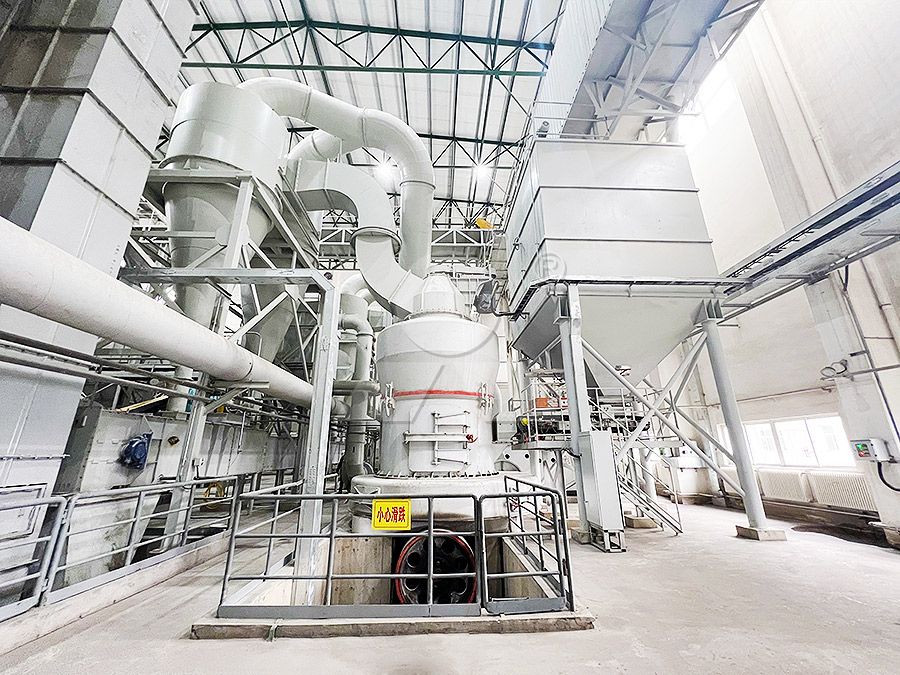
As industries demand increasingly finer powders for advanced applications, traditional grinding methods often fall short. The limitations of ball mills and conventional Raymond mills become apparent when targeting fineness levels beyond 325 mesh. This is where advanced ultrafine grinding technology delivers transformative results.
For operations requiring precision powders between 325-2500 meshes, the MW Ultrafine Grinding Mill represents a significant technological leap. Engineered for customers who need to make ultra-fine powder, this machine addresses the core challenges of fine grinding: energy consumption, maintenance complexity, and environmental impact.
Advanced Technology for Demanding Applications
The MW Ultrafine Grinding Mill incorporates several proprietary technologies that set it apart from conventional equipment. Its newly designed grinding curves of grinding roller and grinding ring enhance grinding efficiency substantially. With the same fineness and power, production capacity is 40% higher than jet milling systems and twice that of traditional ball mills, while system energy consumption is reduced to just 30% of jet mill requirements.
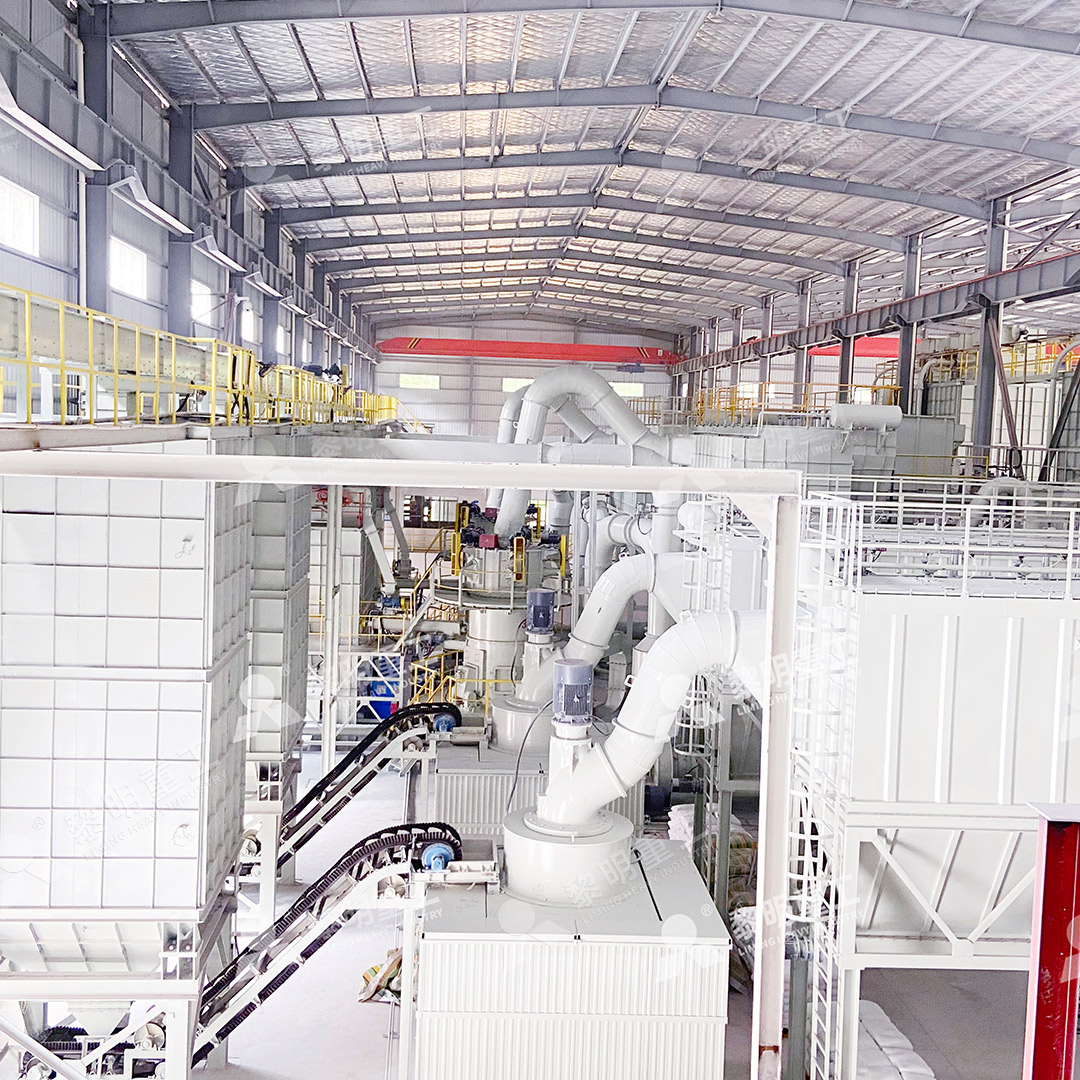
What truly distinguishes this technology is its innovative approach to maintenance and reliability. The absence of rolling bearings and screws in the grinding chamber eliminates concerns about bearing damage or sealing part failures. This design philosophy extends to lubrication—performed externally without shutdown—enabling continuous 24/7 operation that modern processing facilities require.
Environmental Performance and Precision Engineering
Beyond pure performance metrics, modern grinding equipment must meet stringent environmental standards. The MW Ultrafine Grinding Mill integrates an efficient pulse dust collector and muffler system, effectively eliminating dust pollution and reducing operational noise. This comprehensive approach to environmental compliance ensures operations can proceed without disruption while meeting national environmental protection standards.
The precision extends to its manufacturing process, with tens of lines of numerical control machine tools ensuring high machining accuracy for all components, particularly core parts. This digitalized processing approach guarantees consistency and reliability that manual operations cannot match.
Vertical Grinding Solutions for Diverse Needs
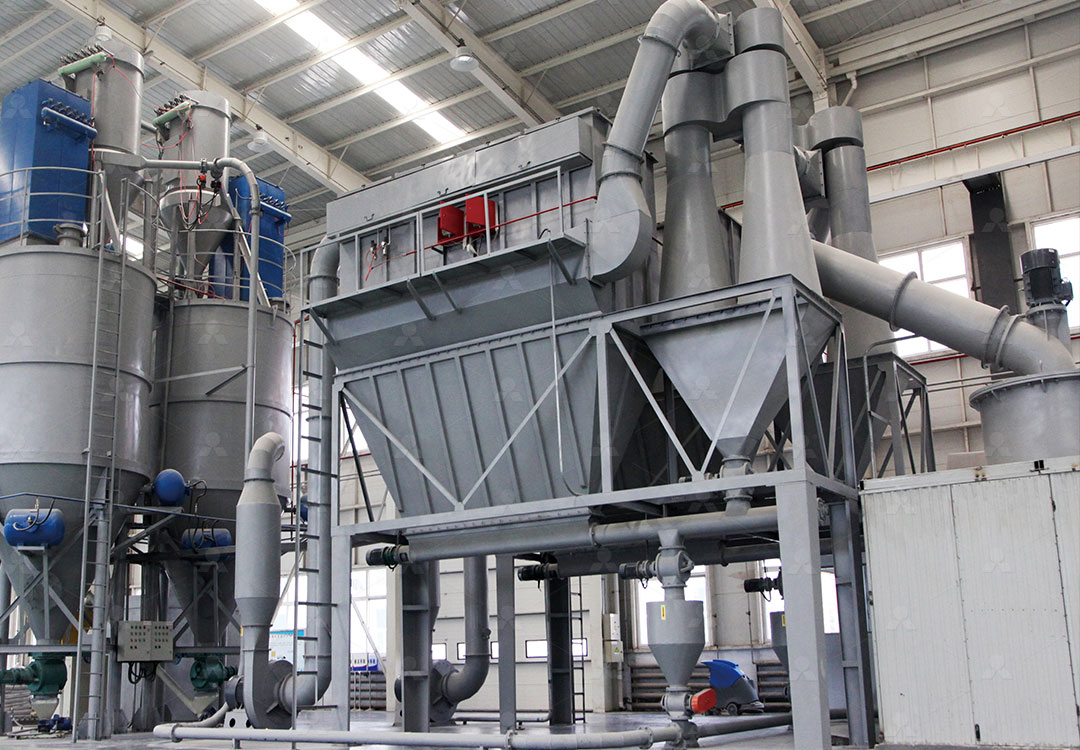
For operations processing materials with input sizes up to 10mm and requiring capacities between 5-18 tph, the LUM Ultrafine Vertical Grinding Mill offers another sophisticated solution. Integrating the latest Taiwanese grinding roller technology and German powder separating technology, this vertical mill excels where traditional horizontal designs face limitations.
The LUM mill’s unique roller shell and lining plate grinding curve generate material layers more effectively, enabling high rates of finished product through single-pass milling. Its multi-head powder separating technology, controlled by a PLC system, solves the dual challenges of high-precision powder diameter control and rapid switching between production demands.
Frequently Asked Questions
What is the typical energy savings compared to traditional ball mills?
The MW Ultrafine Grinding Mill reduces energy consumption by approximately 70% compared to jet mills and offers significantly better efficiency than ball mills, with system energy consumption at just 30% of comparable jet milling systems.
How does the maintenance requirement compare to conventional grinding mills?
With no rolling bearings or screws in the grinding chamber and external lubrication capability, maintenance requirements are substantially reduced. The design eliminates common failure points and enables lubrication without shutdown.
What materials are suitable for ultrafine grinding with these systems?
Both mills handle a wide range of materials including limestone, calcite, dolomite, petroleum coal, gypsum, barite, marble, talc, and various chemical industry materials for applications in paint, cosmetics, medicine, and food additives.
How is environmental compliance addressed?
The integrated pulse dust collector ensures no dust pollution during operation, while silencers and noise elimination rooms reduce acoustic impact. The systems are designed to meet national environmental protection standards.
What support is available for spare parts and technical service?
As a manufacturer covering both production and sales, we provide comprehensive technical support and guarantee availability of original spare parts to ensure worry-free operation throughout the equipment lifecycle.
For detailed technical specifications and application consulting, our engineering team provides expert guidance to match the right technology to your specific processing requirements.