
Free Ball Mill Lube Unit Diagrams and Schematics for Maintenance
We provide a wide range of mills — including Raymond mill, trapezoidal mill, vertical mill, ultrafine mill, and ball mill, obtained ISO9001 international quality certification, EU CE certification, and Customs Union CU-TR certification. Suitable for processing minerals such as limestone, phosphate, quicklime, kaolin, talc, barite, bentonite, calcium carbonate, dolomite, coal, gypsum, clay, carbon black, slag, cement raw materials, cement clinker, and more.
The discharge range of these mills can be adjusted to meet specific processing needs, typically from 80-400 mesh, 600-3250 mesh, and can achieve the finest particle size of up to 6000 mesh(D50).
If you are looking for a reliable grinding solution to turn stone or minerals into fine powder, please feel free to contact our online customer service.
Free Ball Mill Lube Unit Diagrams and Schematics for Maintenance
Proper lubrication is the lifeblood of any industrial grinding operation, and ball mills are no exception. A well-maintained lube unit is critical for minimizing wear, preventing catastrophic failures, and ensuring consistent, efficient production. This guide provides an overview of ball mill lubrication systems and offers access to essential maintenance diagrams and schematics to keep your operations running smoothly.
Ball mill lube systems typically consist of a reservoir, pumps, filters, coolers, and a complex network of lines and valves that deliver oil to the trunnion bearings and girth gear. Understanding the schematic layout is the first step to effective troubleshooting and preventive maintenance. Common issues include clogged filters, pump failures, oil degradation, and leaks, all of which can be diagnosed more efficiently with the correct diagram in hand.
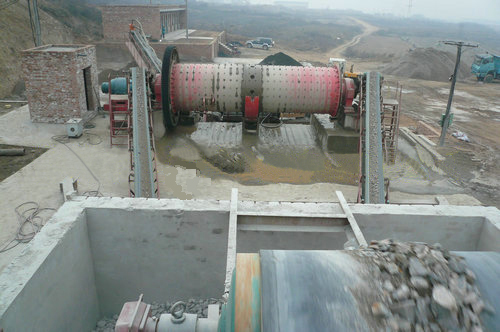
For maintenance teams, having a clear, manufacturer-provided schematic is invaluable. It allows for quick identification of component part numbers, understanding of oil flow direction, and proper adjustment of pressure settings. Regular maintenance tasks, such as changing filters, checking oil levels, and inspecting for leaks, become straightforward procedures when you have the right reference material.
Beyond Traditional Ball Mills: The Modern Grinding Solution
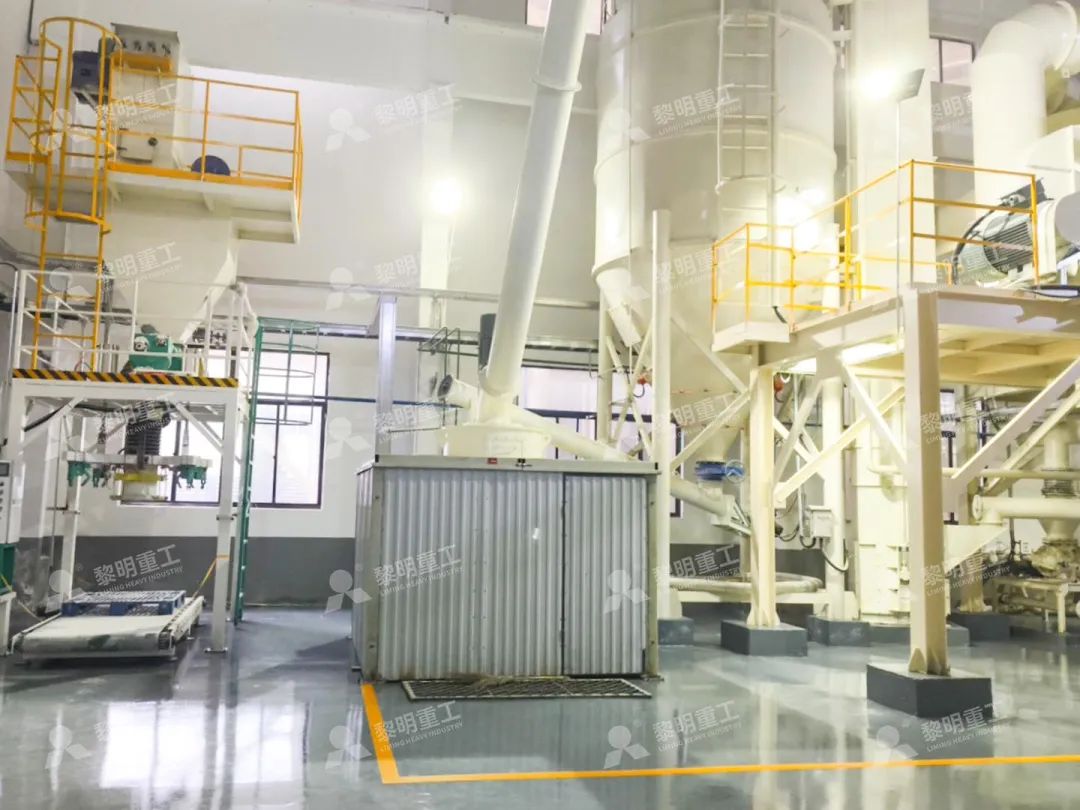
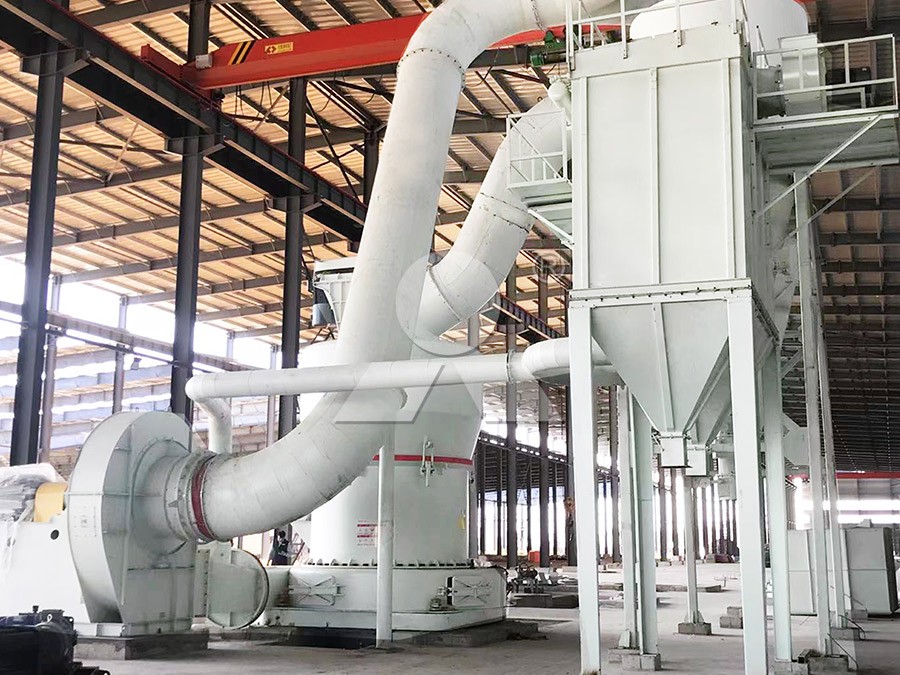
While understanding ball mill maintenance is crucial, many operations are now transitioning to more advanced, efficient, and lower-maintenance grinding technologies. A standout example is our MW Ultrafine Grinding Mill. This machine is engineered to overcome many of the inherent challenges associated with traditional ball mills, particularly in the area of lubrication and bearing maintenance.
A key design advantage of the MW Ultrafine Grinding Mill is the placement of its lubrication system. There are no rolling bearings or screws inside the grinding chamber. This revolutionary design eliminates the primary source of lubrication-related failures in harsh grinding environments. The lubricating device is installed externally on the main shaft, enabling external lubrication without the need for shutdown. This feature alone allows for continuous 24/7 production and drastically reduces maintenance downtime and costs associated with bearing replacement and seal failures.
Leveraging Technical Documentation for Peak Performance
Whether you’re maintaining a classic ball mill or a modern ultra-fine grinder, the principle remains the same: knowledge is power. Access to detailed diagrams, schematics, and operation manuals is non-negotiable for a proactive maintenance strategy. These documents provide insights into proper lubrication intervals, recommended oil types, pressure specifications, and step-by-step guidance for component replacement.
We strongly recommend that all maintenance supervisors keep a dedicated library of these resources for every piece of equipment on the floor. Regularly consulting the lube system schematic during inspections can help identify potential issues like restricted flow or pressure drops before they lead to unplanned downtime.
Frequently Asked Questions (FAQ)
Where can I find the lube system schematic for my specific ball mill model?
The most accurate schematics are found in the original equipment manufacturer’s (OEM) operation and maintenance manual. If this is lost, contact the manufacturer’s support department directly with your machine’s model and serial number.
How often should the oil in a ball mill lube system be changed?
Oil change intervals depend on the operating hours, environment, and oil type. A general rule is to conduct annual oil analysis to determine the condition of the oil and change it based on the results, typically every 2,000-4,000 operating hours or as recommended by the OEM.
What is the most common failure point in a ball mill lube system?
The most common failures involve clogged filters and pump failures. Regularly monitoring pressure differentials across filters and performing scheduled changes is the best prevention.
Are there grinding mills designed with simpler lubrication needs?
Yes. Modern designs like the MW Ultrafine Grinding Mill are specifically engineered to minimize lubrication complexity. Its external lube system and absence of internal bearings make it a far more reliable and lower-maintenance option for fine and ultra-fine grinding applications.