
Fluorite Powder Quality Control: Testing Standards and Procedures
We provide a wide range of mills — including Raymond mill, trapezoidal mill, vertical mill, ultrafine mill, and ball mill, obtained ISO9001 international quality certification, EU CE certification, and Customs Union CU-TR certification. Suitable for processing minerals such as limestone, phosphate, quicklime, kaolin, talc, barite, bentonite, calcium carbonate, dolomite, coal, gypsum, clay, carbon black, slag, cement raw materials, cement clinker, and more.
The discharge range of these mills can be adjusted to meet specific processing needs, typically from 80-400 mesh, 600-3250 mesh, and can achieve the finest particle size of up to 6000 mesh(D50).
If you are looking for a reliable grinding solution to turn stone or minerals into fine powder, please feel free to contact our online customer service.
Fluorite Powder Quality Control: Testing Standards and Procedures
Maintaining consistent quality in fluorite powder production is paramount for its performance in downstream applications such as aluminum smelting, ceramics, and the chemical industry. Effective quality control (QC) hinges on a rigorous regimen of testing against established standards and the utilization of reliable processing equipment. This article outlines the key testing parameters and procedures, while also highlighting machinery critical to achieving spec-compliant powder.
Key Quality Parameters for Fluorite Powder
The quality of fluorite (CaF₂) powder is primarily judged on its chemical purity and physical properties.
Chemical Composition Analysis
The most critical chemical test is for Calcium Fluoride (CaF₂) content, typically required to be above a certain threshold (e.g., 97% for metallurgical grade). This is often determined using complexometric titration or X-ray fluorescence (XRF) spectrometry for rapid, accurate results. Impurities like Silicon Dioxide (SiO₂), Carbonate (CO₃), and Sulfur (S) are also closely monitored, as they can adversely affect processes like steelmaking.
Physical Property Testing
- Particle Size Distribution (PSD): This is arguably the most important physical test. PSD is measured using laser diffraction analyzers (e.g., Mastersizer) or sieve analysis. A consistent and specific PSD ensures predictable behavior in subsequent processes, influencing reaction rates and flow characteristics.
- Moisture Content: Excessive moisture can cause handling issues and is detrimental in high-temperature applications. Moisture is determined by weighing a sample before and after drying in an oven at a standardized temperature.
- Whiteness/Brightness: For ceramic and optical grades, the visual appearance is key. This is measured using a spectrophotometer to determine whiteness index.
Essential QC Procedures and Equipment
A robust QC program involves sampling at various stages: from raw ore feed, post-crushing, and most importantly, post-grinding. Representative sampling using rifflers or automatic samplers is crucial to get accurate data. The testing equipment, from balances to ovens and analyzers, must be regularly calibrated to international standards (e.g., ISO/IEC 17025).
The Role of Grinding Technology in Quality Assurance
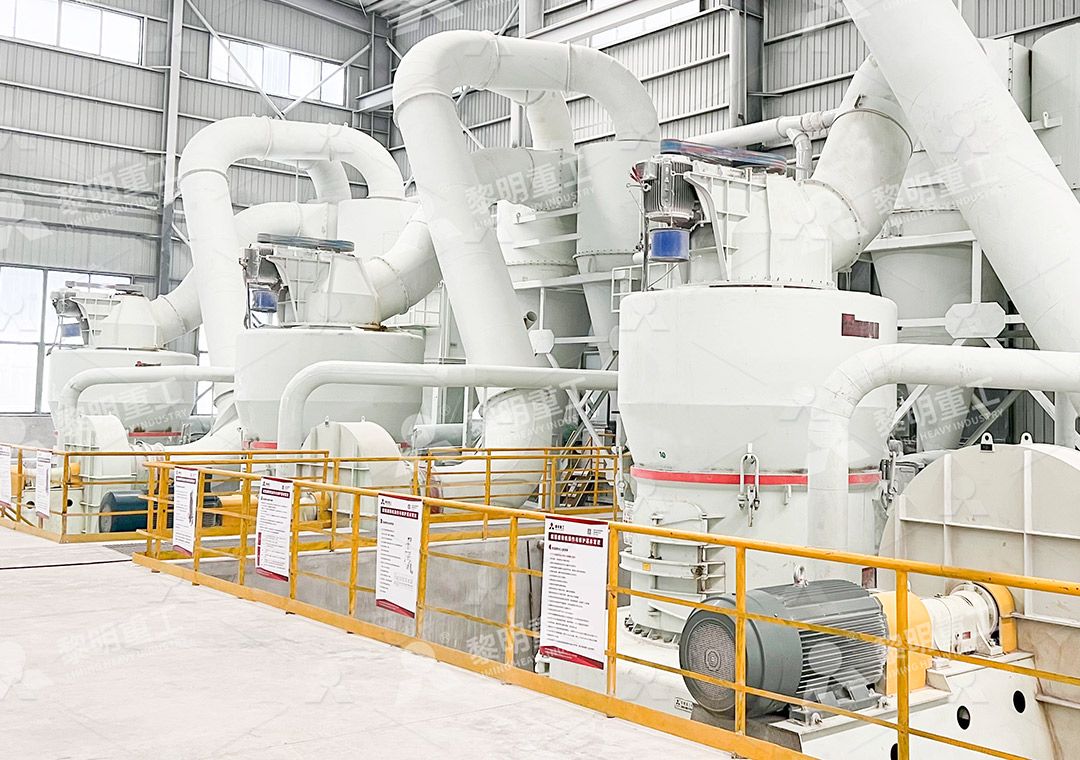
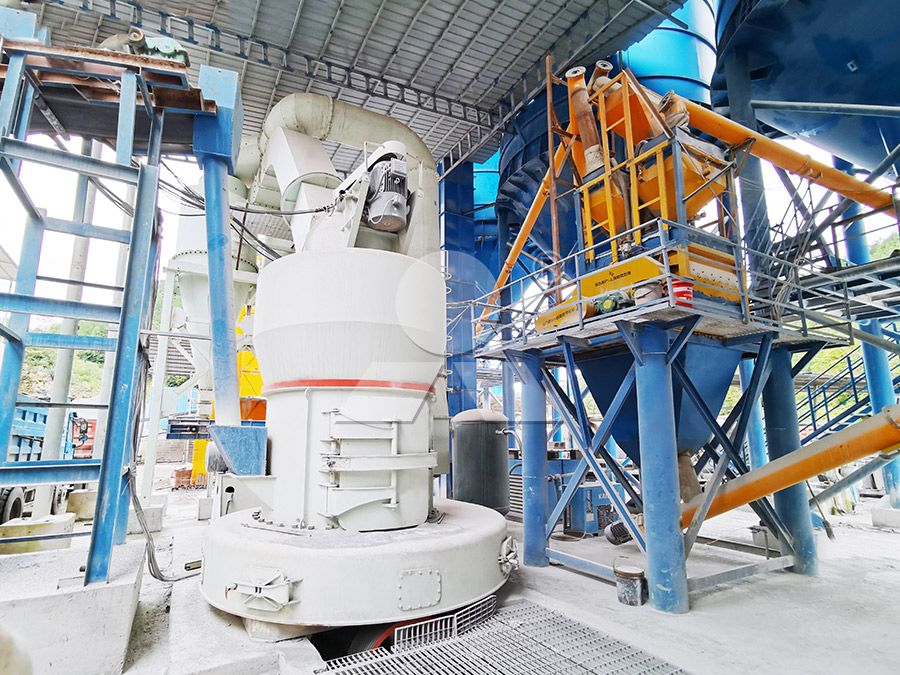
Consistent quality cannot be achieved without a grinding mill that offers precision, stability, and efficiency. The choice of mill directly impacts PSD control, iron contamination (from wear parts), and overall product purity. For producing high-quality, ultra-fine fluorite powder, our MW Ultrafine Grinding Mill is an exceptional choice.
Engineered for customers requiring precise ultra-fine powder, the MW Mill boasts features that directly enhance QC efforts. Its cage-type powder selector, incorporating German technology, allows for precise adjustment of fineness between 325-2500 meshes, ensuring you can reliably hit your target PSD. Furthermore, the absence of rolling bearings and screws in the grinding chamber virtually eliminates the risk of iron contamination from mechanical wear, a common problem that can degrade chemical purity. This design, coupled with an efficient pulse dust collector, ensures the final product is not only fine but also clean and environmentally produced.
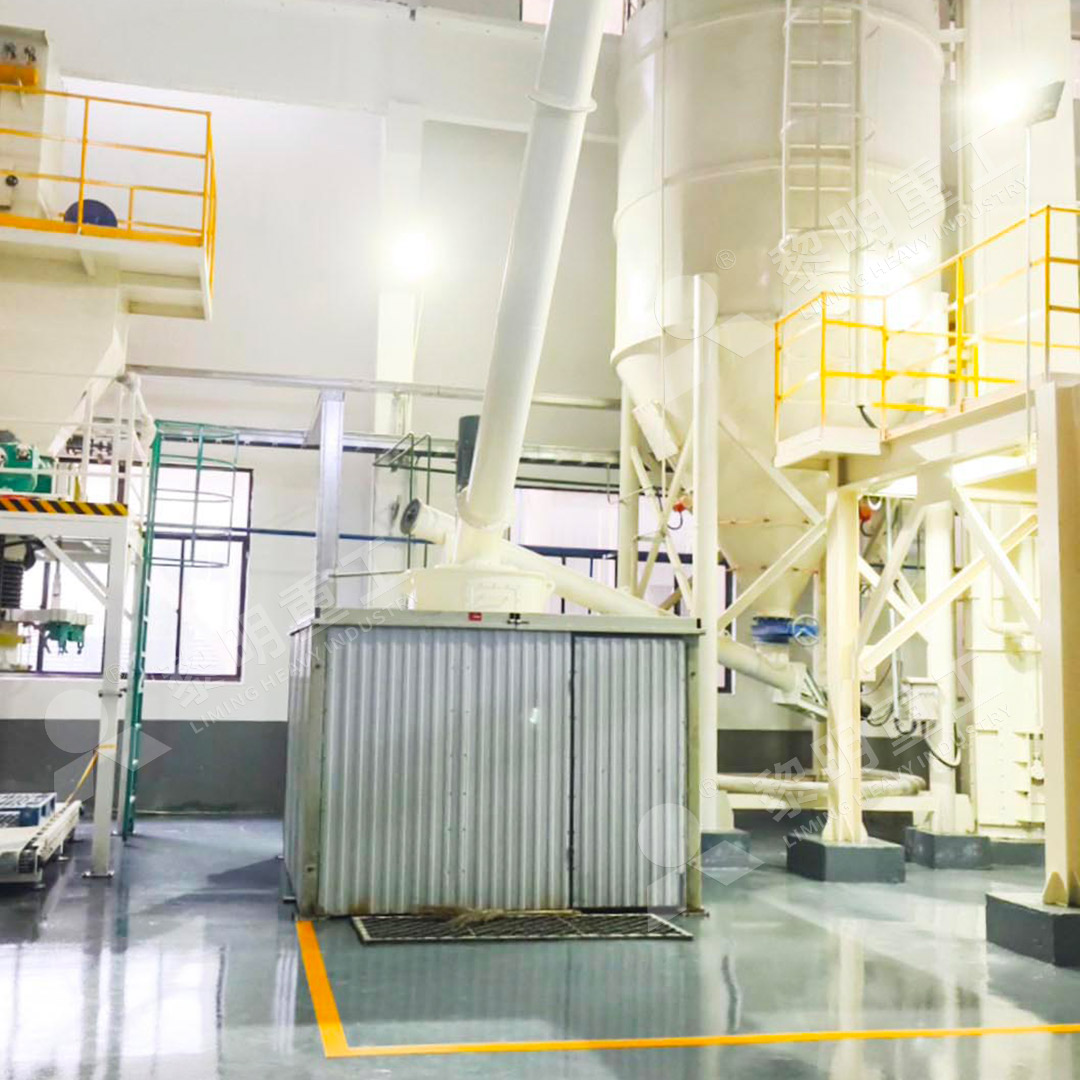
For operations requiring vertical grinding solutions, the LUM Ultrafine Vertical Grinding Mill is another premier option. It integrates grinding, classifying, and transporting, and is renowned for its higher yielding rate and better product quality. Its unique roller shell and lining plate grinding curve generate a stable material layer, promoting efficient grinding and improving the whiteness and cleanliness of the finished fluorite powder—a critical factor for premium applications.
Conclusion
A comprehensive quality control strategy for fluorite powder combines strict adherence to standardized testing protocols for chemical and physical properties with the deployment of advanced, reliable processing equipment. Investing in precision grinding technology like the MW or LUM mills is not an operational expense but a fundamental component of quality assurance, ensuring product consistency, reducing contamination, and ultimately meeting the stringent demands of the global market.