
Fluorite Grinding Mill Equipment Selection Guide
We provide a wide range of mills — including Raymond mill, trapezoidal mill, vertical mill, ultrafine mill, and ball mill, obtained ISO9001 international quality certification, EU CE certification, and Customs Union CU-TR certification. Suitable for processing minerals such as limestone, phosphate, quicklime, kaolin, talc, barite, bentonite, calcium carbonate, dolomite, coal, gypsum, clay, carbon black, slag, cement raw materials, cement clinker, and more.
The discharge range of these mills can be adjusted to meet specific processing needs, typically from 80-400 mesh, 600-3250 mesh, and can achieve the finest particle size of up to 6000 mesh(D50).
If you are looking for a reliable grinding solution to turn stone or minerals into fine powder, please feel free to contact our online customer service.
Fluorite Grinding Mill Equipment Selection Guide
Selecting the optimal grinding equipment for fluorite processing is a critical decision that directly impacts operational efficiency, product quality, and overall profitability. Fluorite, valued for its applications in metallurgy, ceramics, and the chemical industry, demands precise milling to achieve the required fineness and purity. This guide will navigate the key considerations and present tailored solutions to match your specific production goals.
Key Factors in Fluorite Mill Selection
The ideal mill choice hinges on a careful evaluation of your project parameters. Foremost among these is the desired final product fineness. Fluorite applications range from coarse granules for metallurgical flux to ultra-fine powders for high-value chemical processes. The target particle size distribution will immediately narrow down suitable mill types.
Secondly, consider the required production capacity, often measured in tons per hour (tph). This must align with your overall plant throughput. Equally important is the feed material size; understanding your raw fluorite’s initial dimensions is essential for configuring the preliminary crushing circuit and selecting a mill with appropriate intake capabilities.
Other vital factors include energy consumption, a major contributor to operational costs, and environmental compliance. Modern operations must prioritize dust control and noise reduction. Finally, evaluate the total cost of ownership, which encompasses not only the initial investment but also long-term maintenance, spare part availability, and operational reliability.
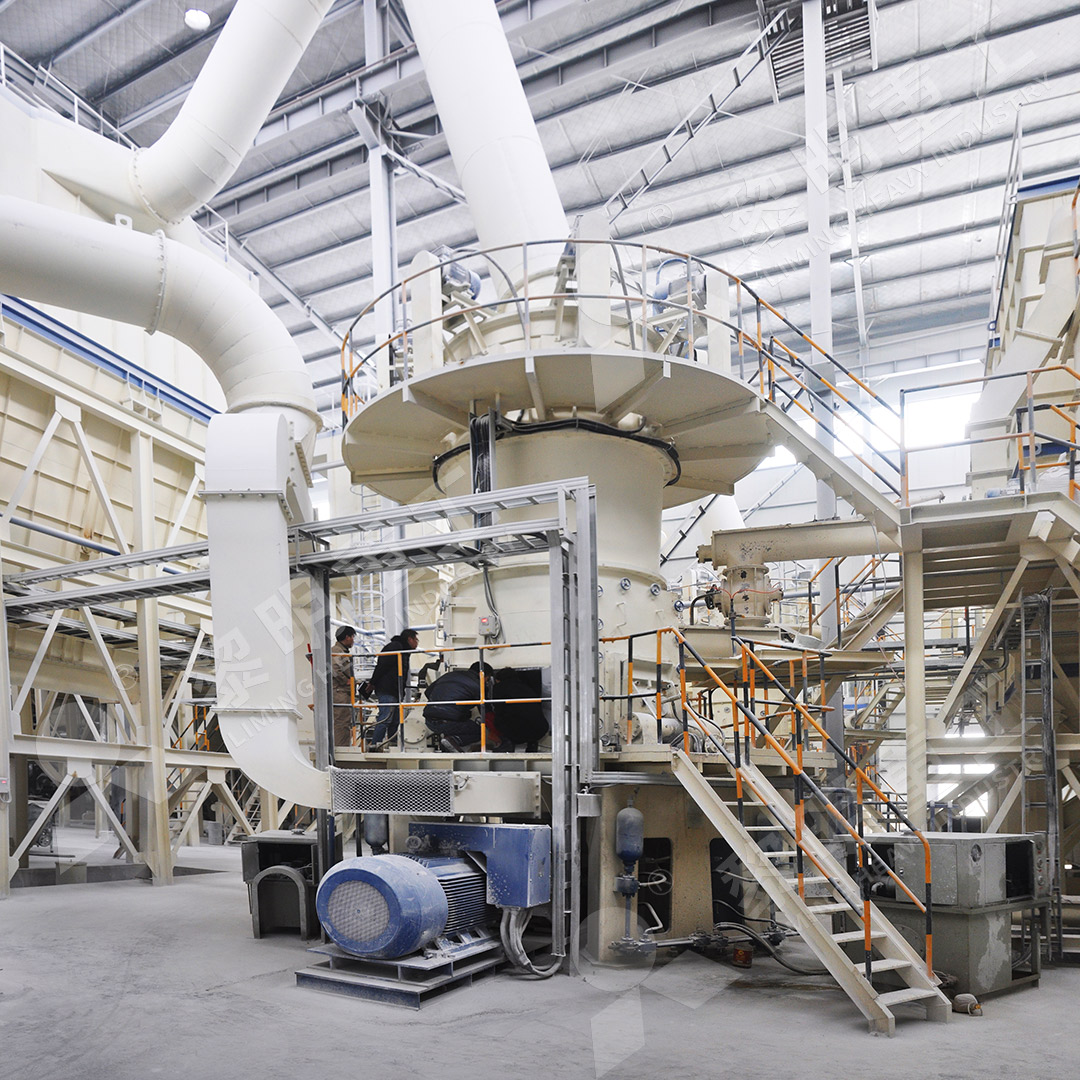
Mill Technology Overview for Fluorite Processing
The grinding industry offers several technologies, each with distinct advantages for mineral processing.
- Raymond Mills & Traditional Trapezium Mills: Well-established for coarse to medium grinding (80-400 mesh). They offer reliability and lower initial cost but may lack the efficiency and fineness control for advanced fluorite applications.
- Ball Mills: A common choice for wet or dry grinding to medium fineness. However, they can be less energy-efficient, have higher wear rates, and may introduce iron contamination, which is detrimental to fluorite purity.
- Vertical Roller Mills (VRM): Represent a significant leap forward. They integrate drying, grinding, and classification in a single unit, offering superior energy efficiency, lower noise, and excellent drying capability if your fluorite feed has moisture.
- Ultrafine Grinding Mills: This category is essential for producing high-value fluorite powders exceeding 325 mesh. Technologies like advanced ring-roller mills and vertical mills with integrated high-efficiency classifiers are designed specifically for this challenging task.
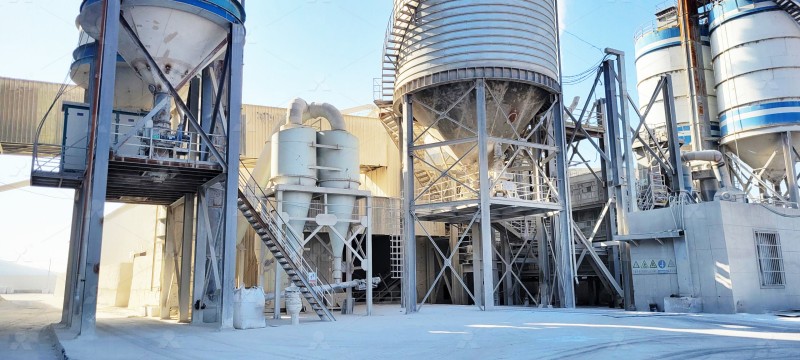
Tailored Recommendations for Fluorite Applications
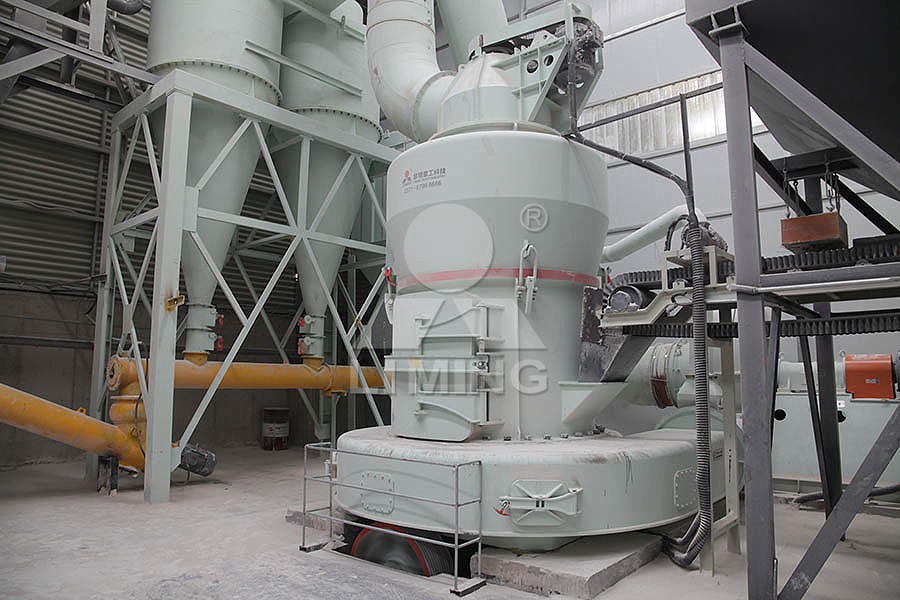
For high-capacity production of fine to ultra-fine fluorite powder (325-2500 mesh), where energy efficiency and product purity are paramount, advanced ring-roller mills are exceptionally effective. A standout solution in this category is our MW Ultrafine Grinding Mill. Engineered for customers requiring ultra-fine powder, it addresses the core challenges of fluorite milling.
The MW Mill features a newly designed grinding curve for its roller and ring, enhancing efficiency to deliver a 40% higher capacity than jet or stirred mills at the same power. Its German-technology, cage-type powder selector allows precise fineness adjustment between 325 and 2500 meshes. Crucially for fluorite quality, its grinding chamber contains no rolling bearings or screws, eliminating a primary source of iron contamination and machine failure. The integrated pulse dust collector and silencer ensure the operation meets stringent environmental standards, making it a robust and clean choice for premium fluorite production.
For operations prioritizing very high fineness with integrated drying and superior particle distribution, vertical mill technology excels. Our LUM Ultrafine Vertical Grinding Mill is a premier choice. It combines advanced grinding roller and powder separating technology for exceptional efficiency, reducing energy consumption by 30-50% compared to conventional mills. Its unique roller shell design promotes stable material layer formation, enabling high-yield, single-pass milling that enhances the whiteness and cleanliness of the final fluorite powder—a critical quality metric. The reversible roller structure simplifies maintenance, minimizing downtime.
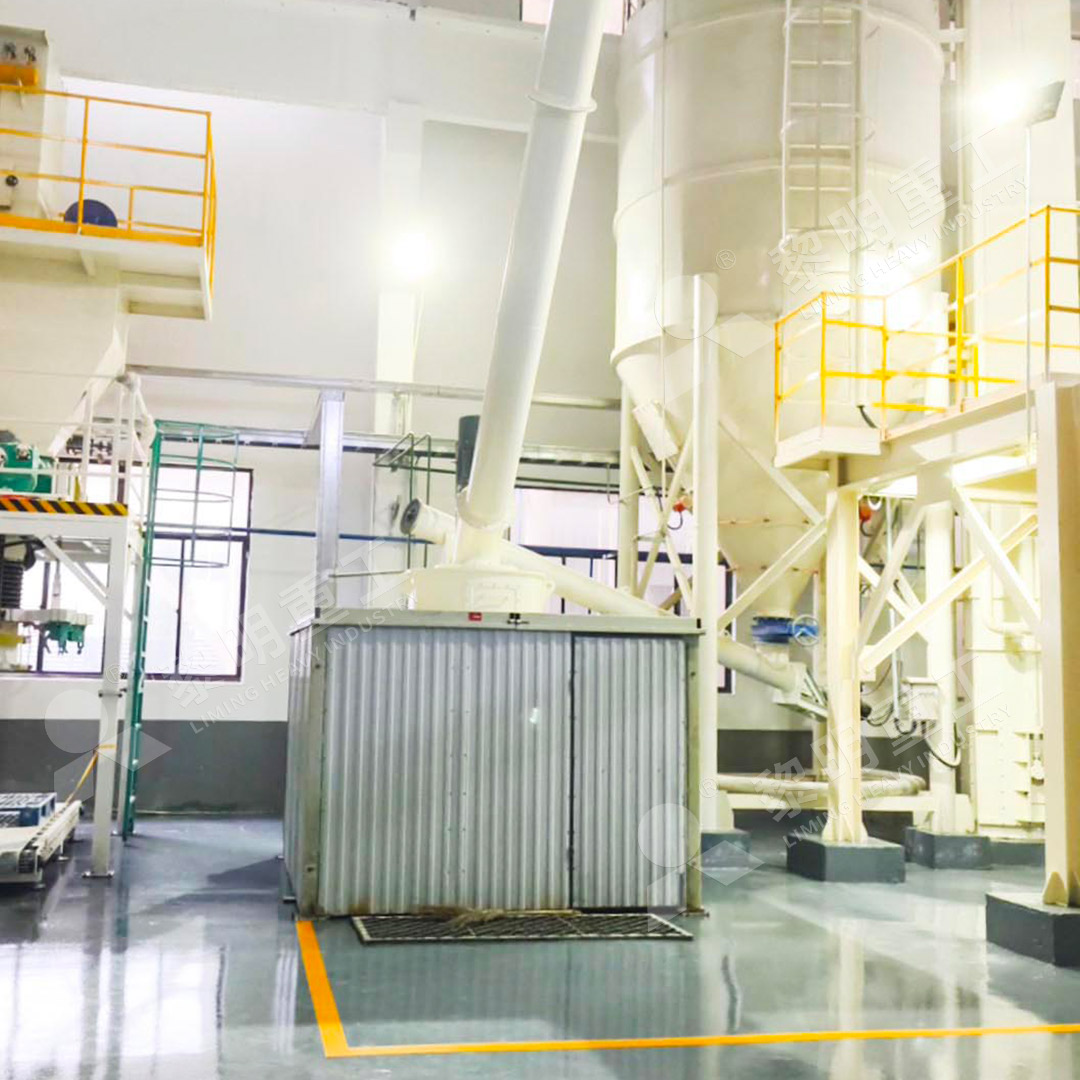
Making the Final Decision
Beyond technical specifications, partner with a manufacturer that supports your long-term success. Evaluate their commitment to digital manufacturing precision for machine reliability, and their policy on original spare parts supply to guarantee worry-free operation. Request material tests with your actual fluorite sample to validate performance data for your specific fineness and capacity goals. The right equipment, backed by strong technical support, is an investment that pays dividends in product quality and plant productivity for years to come.
Frequently Asked Questions (FAQ)
1. What is the primary advantage of an ultrafine mill like the MW series for fluorite?
The MW Ultrafine Grinding Mill is specifically engineered to achieve precise, consistent fineness in the 325-2500 mesh range with high energy efficiency. Its design minimizes iron contamination—a key concern for fluorite purity—by eliminating internal bearings and screws in the grinding chamber, and it operates with integrated environmental controls for dust and noise.
2. Can these mills handle moist fluorite feed material?
While the MW Mill is designed for dry grinding, vertical mill options like the LUM series integrate grinding and drying functions. If your raw fluorite has significant moisture content, a vertical roller mill with a hot air intake system would be the recommended configuration to dry and grind in a single step.
3. How do I determine the right mill capacity for my plant?
Capacity selection depends on your total annual target, desired operating hours, and feed size. Our MW Mill, for example, offers a range from 0.5 to 25 tph. It’s crucial to provide your supplier with detailed project requirements so they can model the entire size reduction process, from initial crush to final product, and recommend a mill that matches your peak and average throughput needs.
4. What kind of after-sales support is typical for such equipment?
A reputable manufacturer should provide comprehensive support, including installation supervision, operator training, and a reliable supply of original spare parts. Look for a provider whose business covers both production and sales, taking direct responsibility for the machinery’s performance and longevity, ensuring technical assistance is always available.
5. How important is the powder separator technology?
Extremely important. The classifier or powder separator determines the final product’s top cut size and particle distribution. Advanced systems, like the multi-head cage-type selector in the MW Mill or the high-efficiency separator in the LUM Mill, allow for precise, adjustable cuts and high screening efficiency (e.g., d97 ≤5μm), which is essential for producing uniform, high-quality fluorite powder.