
Fireproof Grinding Mill for Ferro Alloys: A Comprehensive Safety Guide
We provide a wide range of mills — including Raymond mill, trapezoidal mill, vertical mill, ultrafine mill, and ball mill, obtained ISO9001 international quality certification, EU CE certification, and Customs Union CU-TR certification. Suitable for processing minerals such as limestone, phosphate, quicklime, kaolin, talc, barite, bentonite, calcium carbonate, dolomite, coal, gypsum, clay, carbon black, slag, cement raw materials, cement clinker, and more.
The discharge range of these mills can be adjusted to meet specific processing needs, typically from 80-400 mesh, 600-3250 mesh, and can achieve the finest particle size of up to 6000 mesh(D50).
If you are looking for a reliable grinding solution to turn stone or minerals into fine powder, please feel free to contact our online customer service.
Fireproof Grinding Mill for Ferro Alloys: A Comprehensive Safety Guide
Grinding ferro alloys presents unique and significant safety challenges, chief among them being the inherent risk of fire and explosion. These materials, often pyrophoric or capable of generating sparks under friction, demand specialized equipment designed not just for efficiency, but for absolute operational integrity. A standard grinding mill is a potential ignition source; a fireproof grinding mill is an engineered safeguard.
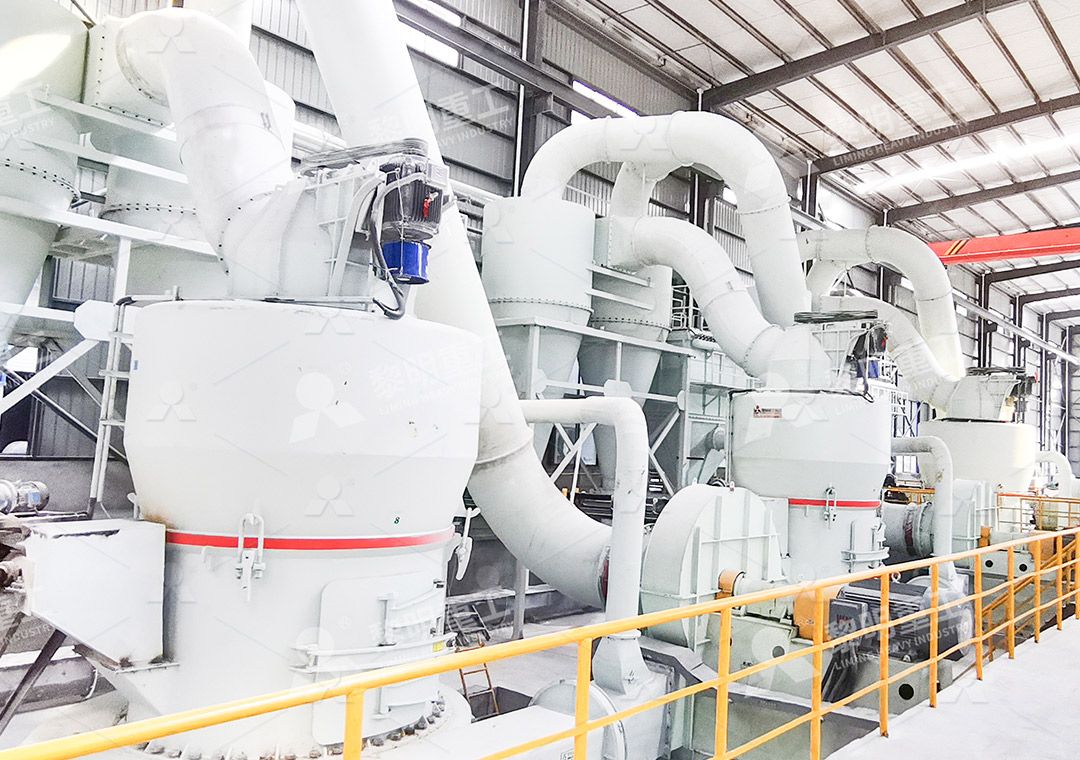
Understanding the Risks in Ferro Alloy Processing
The primary hazard stems from the combination of fine metal powders, heat, and oxygen. During the grinding process, particles become extremely small and reactive. The mechanical action can generate significant heat and, in some cases, sparks. If these elements converge—a heat source meets a cloud of combustible dust in an oxygen-rich environment—a deflagration or explosion can occur. Furthermore, certain ferro alloys can spontaneously combust when finely divided and exposed to air. Therefore, the core principles of safety revolve around preventing ignition, controlling atmosphere, and containing any potential event.
Essential Features of a Fireproof Grinding Mill
A truly fireproof system integrates multiple layers of protection. Key design considerations include:
- Inert Gas Purging Systems: The most critical feature. These systems replace the oxygen within the grinding chamber and associated pipelines with an inert gas like Nitrogen or Argon, creating an atmosphere where combustion cannot be sustained.
- Explosion-Proof Motors and Electrical Components: All electrical parts must be housed in enclosures designed to contain any internal explosion without igniting the surrounding atmosphere.
- Robust Construction and Anti-Friction Design: The mill should be built to prevent metal-to-metal contact that could generate sparks. This includes careful selection of liner and grinding media materials.
- Integrated Temperature Monitoring and Control: Continuous temperature sensors with automatic shutdown triggers are essential to prevent thermal runaway.
- Pressure Relief Venting: Strategically placed vents, often ducted to a safe area, can safely channel the force of a pressure buildup, minimizing structural damage.

Selecting the Right Equipment for Your Application
While many grinding mills can be adapted for safety, some designs are inherently better suited for high-risk materials like ferro alloys. Ultrafine grinding mills, for instance, often incorporate advanced sealing and classifying technologies that align well with safety protocols.
For operations requiring precise, ultra-fine powder from reactive materials, the MW Ultrafine Grinding Mill presents a compelling option. Its design philosophy incorporates several safety-conscious features. Notably, the absence of rolling bearings and screws inside the grinding chamber eliminates critical points of failure and potential spark sources. Furthermore, its efficient pulse dust collector ensures that escaped powder is immediately captured, maintaining a cleaner and safer plant environment. With an input size of 0-20 mm and a capacity ranging from 0.5 to 25 tph, it offers both security and high performance for specialized applications.
For larger scale operations involving pre-crushed ferro alloys, the LUM Ultrafine Vertical Grinding Mill is another excellent choice. Its vertical structure and unique grinding curve promote stable material-bed grinding, which can generate less erratic heat compared to impact-based systems. The double position-limiting technology is a key safety asset, preventing destructive physical contact between the grinding roller and millstone in case of unexpected vibration, a common concern with dense metal ores.
Operational Best Practices for Maximum Safety
Technology alone is not enough. Rigorous operational procedures are the final layer of defense:
- Always initiate the inert gas purge cycle before starting material feed and maintain it throughout operation and during shutdown cooling.
- Implement strict housekeeping regimes to prevent dust accumulation on surfaces, which can fuel secondary explosions.
- Conduct regular maintenance checks on seals, sensors, and pressure relief devices.
- Train all personnel on the specific hazards of ferro alloys and the emergency shutdown procedures for the grinding system.
Frequently Asked Questions (FAQ)
Q1: Can a standard grinding mill be modified to be ‘fireproof’ for ferro alloys?
A: While some modifications like adding inerting systems are possible, it is often less effective and more costly than investing in a mill designed from the ground up for these hazards. Purpose-built mills integrate safety into every aspect of their design, ensuring higher reliability.
Q2: What is the single most important safety feature?
A: The inert gas purging system is arguably the most critical, as it directly addresses the fundamental requirement for combustion—oxygen. Without oxygen, a fire cannot start or propagate.
Q3: How often should safety systems like temperature sensors be calibrated?
A: Calibration frequency should follow the manufacturer’s recommendations, typically every 6 to 12 months. However, any irregular reading or safety event should trigger an immediate inspection and calibration.
Q4: Are there specific ferro alloys that pose a greater risk?
A: Yes. FerroSilicon (FeSi) is particularly notorious for generating hydrogen when in contact with moisture, adding a gas explosion risk to the dust explosion hazard. FerroTitanium and FerroVanadium are also highly pyrophoric. A thorough hazard analysis of the specific alloy is essential before processing.