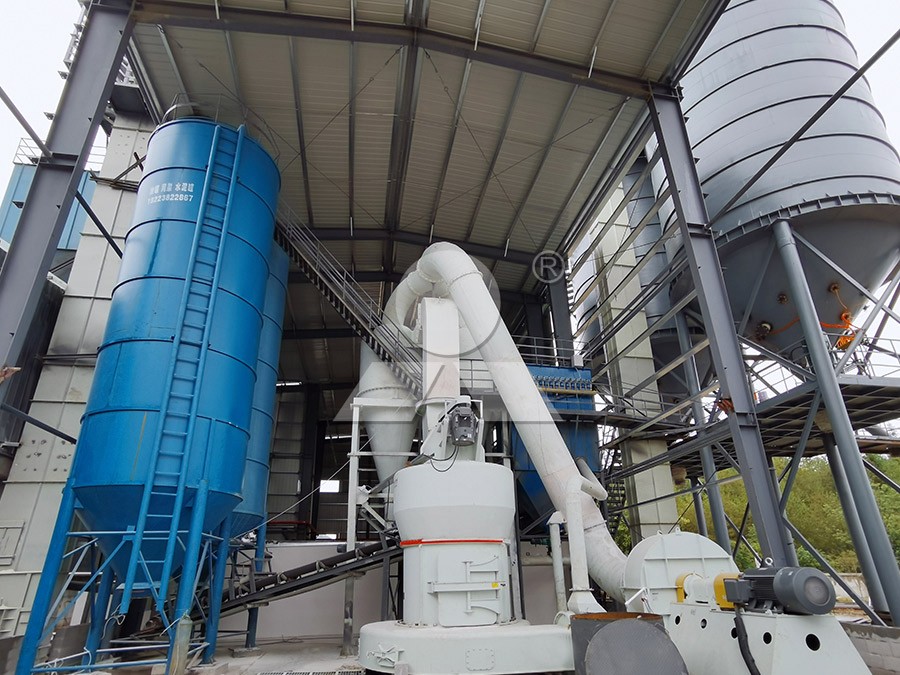
Feed Mill Process Flow Chart: From Raw Material to Finished Feed
We provide a wide range of mills — including Raymond mill, trapezoidal mill, vertical mill, ultrafine mill, and ball mill, obtained ISO9001 international quality certification, EU CE certification, and Customs Union CU-TR certification. Suitable for processing minerals such as limestone, phosphate, quicklime, kaolin, talc, barite, bentonite, calcium carbonate, dolomite, coal, gypsum, clay, carbon black, slag, cement raw materials, cement clinker, and more.
The discharge range of these mills can be adjusted to meet specific processing needs, typically from 80-400 mesh, 600-3250 mesh, and can achieve the finest particle size of up to 6000 mesh(D50).
If you are looking for a reliable grinding solution to turn stone or minerals into fine powder, please feel free to contact our online customer service.
Feed Mill Process Flow Chart: From Raw Material to Finished Feed
Ever wonder how that bag of high-quality animal feed gets made? It ain’t magic, I’ll tell ya that much. It’s a precise, multi-stage industrial process that transforms raw, often coarse materials into a nutritionally balanced, safe, and digestible finished product. Let’s walk through the typical flow, from intake to bagging, and see where the right equipment makes all the difference.
The journey begins with the Receiving and Intake of raw materials. This is where trucks dump loads of grains like corn, wheat, and soybean meal. The first critical step is Cleaning and Pre-Cleaning. Foreign materials like stones, metal scraps, strings, or other impurities must be removed immediately to protect downstream equipment from damage and to ensure feed safety. Magnets and sieves are the heroes here.
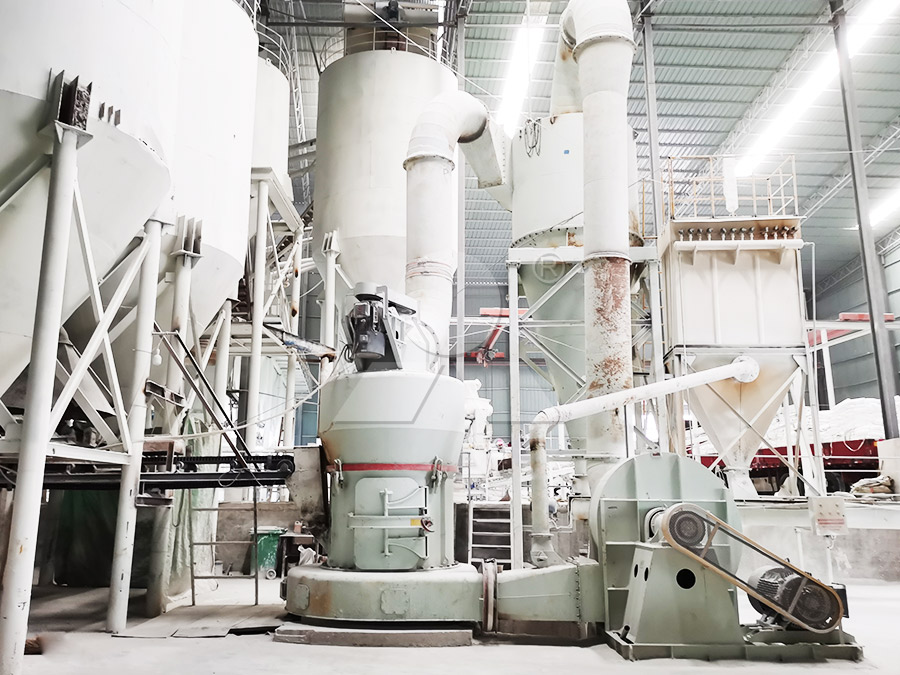
Next up is the Grinding
For operations that demand the absolute finest, most consistent powder for enhanced nutrient absorption, I’d strongly recommend looking at our MW Ultrafine Grinding Mill. This machine is a beast designed for customers who need to make ultra-fine powder. With an input size of 0-20 mm and a capacity range of 0.5-25 tph, it’s incredibly versatile. Its cage-type powder selector allows you to dial in the fineness between 325-2500 meshes with precision. Plus, it’s built for worry-free operation with no rolling bearings or screws in the grinding chamber to worry about, and its efficient pulse dust collector keeps things clean and eco-friendly. It’s a game-changer for producing superior quality feed ingredients.
Once your ingredients are ground to perfection, they move to the Batching and Mixing stage. This is where science meets agriculture. Based on a meticulously formulated recipe, micro-ingredients, vitamins, minerals, and supplements are added to the major components in a mixer. The goal is to achieve a perfectly homogenous blend – every single bite of the final feed must have the exact same nutritional profile. This is non-negotiable.
The mixed mash can then be sent to the Pelleting section. Here, the powder is conditioned with steam and forced through a die under high pressure and temperature. This process creates those familiar dense pellets. Pelleting improves bulk density, reduces waste during feeding, and through the heat, helps to destroy harmful pathogens. The hot, soft pellets then need to be Cooled and Dried to a safe, stable moisture content for storage.
Finally, the finished product is Bagged and Stored, ready for distribution. Some high-end operations might also include a Coating process after cooling, where liquid additives like fats or flavors are applied for an extra nutritional or palatability boost.
The entire process is a symphony of efficiency and precision. Choosing the right equipment for each stage, especially the grinding process, is paramount to producing a top-tier feed that maximizes animal health and growth performance. For those looking to push the quality even further, our LUM Ultrafine Vertical Grinding Mill is another excellent option, offering higher yielding rates and better quality finished products with its unique roller shell design and advanced powder separating technology.