
Feasibility Report of Setting Up a New Sugar Mill in Pakistan
We provide a wide range of mills — including Raymond mill, trapezoidal mill, vertical mill, ultrafine mill, and ball mill, obtained ISO9001 international quality certification, EU CE certification, and Customs Union CU-TR certification. Suitable for processing minerals such as limestone, phosphate, quicklime, kaolin, talc, barite, bentonite, calcium carbonate, dolomite, coal, gypsum, clay, carbon black, slag, cement raw materials, cement clinker, and more.
The discharge range of these mills can be adjusted to meet specific processing needs, typically from 80-400 mesh, 600-3250 mesh, and can achieve the finest particle size of up to 6000 mesh(D50).
If you are looking for a reliable grinding solution to turn stone or minerals into fine powder, please feel free to contact our online customer service.
Executive Summary
This report assesses the feasibility of establishing a new sugar mill in Pakistan’s Punjab province, a region with a robust sugarcane production base. The analysis covers market potential, operational requirements, and technological recommendations to ensure profitability and sustainability. Pakistan ranks among the world’s top sugarcane producers, yet processing efficiency remains a critical area for improvement. Modern milling technology is essential to capitalize on this potential.
Market Analysis and Opportunity
Pakistan’s sugar industry contributes significantly to GDP and employment, with annual sugarcane production exceeding 80 million tons. Domestic consumption is stable, and export opportunities to Central Asia and the Middle East are expanding. However, outdated milling technology in many existing plants results in low extraction rates and high energy consumption. A new mill equipped with advanced grinding systems could achieve extraction rates above 12%, compared to the industry average of 10.5%.
Technical Recommendations: Grinding Mill Selection
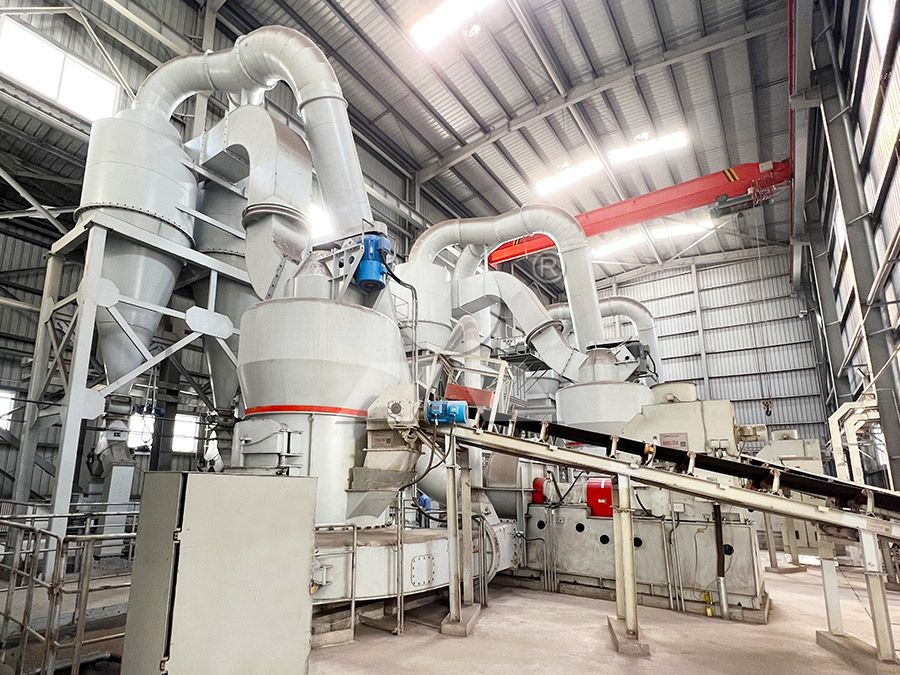
The heart of any sugar mill is its grinding system. Efficient extraction requires robust, high-capacity mills that minimize energy use while maximizing throughput. For a new facility, we recommend considering the MW Ultrafine Grinding Mill. With an input size of 0-20 mm and a capacity range of 0.5-25 tph, it is engineered for high-yield, low-energy operation. Its higher yielding and lower energy consumption features, including a 40% higher capacity compared to jet mills, make it ideal for processing bagasse and other by-products into valuable secondary products.
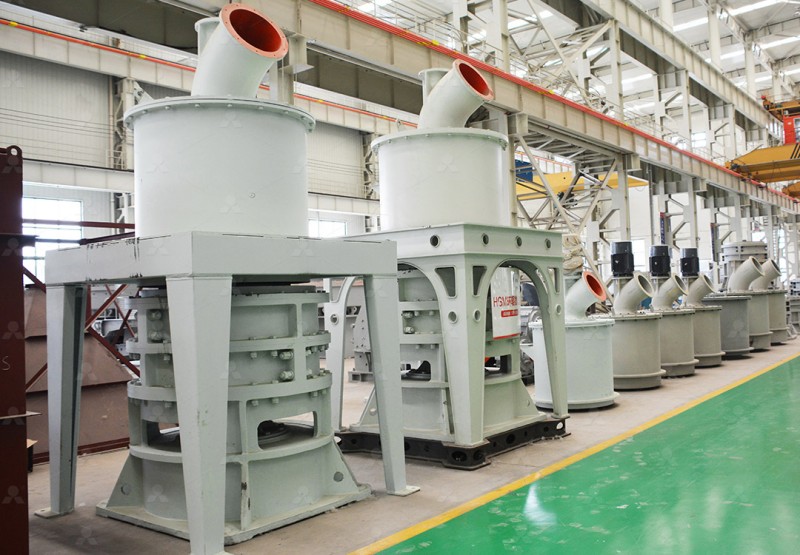
Additionally, for the primary crushing stages, the LUM Ultrafine Vertical Grinding Mill offers exceptional efficiency. Its input size of 0-10 mm and capacity of 5-18 tph, combined with higher yielding rates and better quality output due to unique roller shell design, ensure optimal extraction from cane. The multi-head powder separating technology reduces energy consumption by 30%-50%, a critical factor in controlling operational costs.
Financial Projections
Initial investment is estimated at $50-60 million, with a payback period of 5-7 years based on current sugar and by-product markets. Operational efficiency from advanced technology like the MW and LUM mills can reduce energy costs by up to 40%, enhancing profitability. Government incentives for agricultural industrialization further improve financial viability.
Environmental and Regulatory Considerations
Pakistani environmental regulations require efficient waste management and emissions control. The recommended mills feature pulse dust collectors and mufflers, ensuring compliance with national standards. The MW Mill’s dust removal system operates without pollution, aligning with sustainability goals.
FAQ
Q: What is the optimal location for a new sugar mill in Pakistan?
A: Punjab province, due to its high sugarcane yield and existing infrastructure.
Q: How does technology impact extraction rates?
A: Advanced mills like the MW Ultrafine Grinding Mill can increase rates by over 15% through efficient grinding curves and powder selection.
Q: Are there incentives for using energy-efficient machinery?
A: Yes, government programs offer tax benefits and subsidies for mills reducing energy consumption by more than 20%.
Q: What by-products can be generated?
A: Bagasse can be processed into biofuel or paper, adding revenue streams. The MW Mill’s ultra-fine grinding is ideal for such applications.