Feasibility Analysis of Gangue Pulverizing: Cost, Process & Equipment Selection
We provide a wide range of mills — including Raymond mill, trapezoidal mill, vertical mill, ultrafine mill, and ball mill, obtained ISO9001 international quality certification, EU CE certification, and Customs Union CU-TR certification. Suitable for processing minerals such as limestone, phosphate, quicklime, kaolin, talc, barite, bentonite, calcium carbonate, dolomite, coal, gypsum, clay, carbon black, slag, cement raw materials, cement clinker, and more.
The discharge range of these mills can be adjusted to meet specific processing needs, typically from 80-400 mesh, 600-3250 mesh, and can achieve the finest particle size of up to 6000 mesh(D50).
If you are looking for a reliable grinding solution to turn stone or minerals into fine powder, please feel free to contact our online customer service.
Feasibility Analysis of Gangue Pulverizing: Cost, Process & Equipment Selection
Gangue, the valueless rock or material surrounding an ore, has long been a significant waste product in mining operations. However, with advancements in grinding technology, pulverized gangue has found new life as a valuable resource in applications ranging from construction materials like bricks and cement additives to backfill in mines and even soil amendment. A thorogh feasibility analysis for a gangue pulverizing operation must carefully evaluate the cost structure, process flow, and critically, the selection of the most appropriate grinding equipment to ensure economic viability.
Cost Considerations: Beyond the Initial Purchase
The total cost of ownership for a grinding mill extends far beyond its initial capital expenditure (CAPEX). Operators must account for several key factors:
- Energy Consumption: This is often the single largest operational expense. Mills with higher grinding efficiency directly translate to lower kilowatt-hours per ton of output, drastically reducing operating costs (OPEX).
- Wear Part Replacement: The abrasiveness of gangue can lead to rapid wear of grinding elements like rollers and rings. Equipment designed with durable, long-lasting wear parts and easy maintenance access minimizes downtime and replacement costs.
- Footprint & Infrastructure: The physical size of the mill impacts the required building space and foundation costs. Integrated systems that combine multiple steps (drying, grinding, classifying) can offer significant savings.
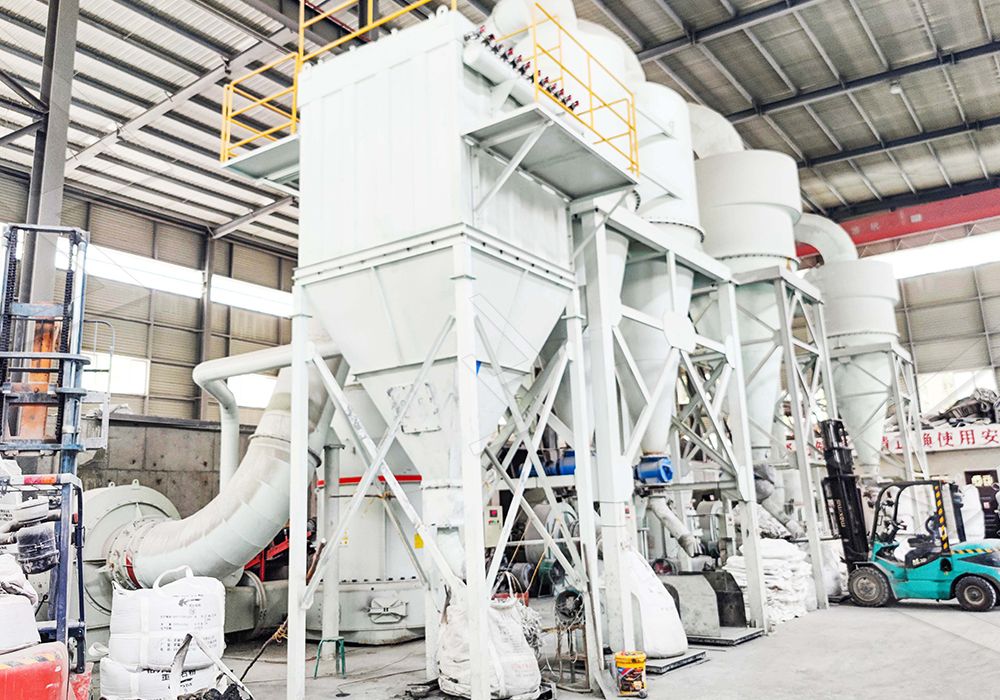
- Environmental Mitigation: Costs associated with dust collection and noise control are mandatory. Modern mills with integrated pulse dust collectors and silencers provide a turn-key environmental solution, avoiding costly retrofits.
Process Design for Gangue: Dry vs. Wet and Fineness Requirements
The intended end-use of the pulverized gangue dictates the required fineness (measured in meshes or microns) and often the process type. For most construction-related applications, a dry grinding process is preferred due to its lower operational complexity and cost. The process typically involves primary crushing of raw gangue to a feed size of <20mm, followed by continuous feeding into the grinding mill. The powdered material is then air-conveyed to a high-efficiency classifier which separates the product to the desired fineness, with oversize material returned for further grinding.
Critical Equipment Selection: Finding the Right Mill
Selecting the wrong equipment can doom a project through high operating costs, excessive maintenance, or an inability to meet product specifications. While traditional options like Raymond Mills or Ball Mills are common, newer technologies offer superior performance for abrasive materials like gangue.
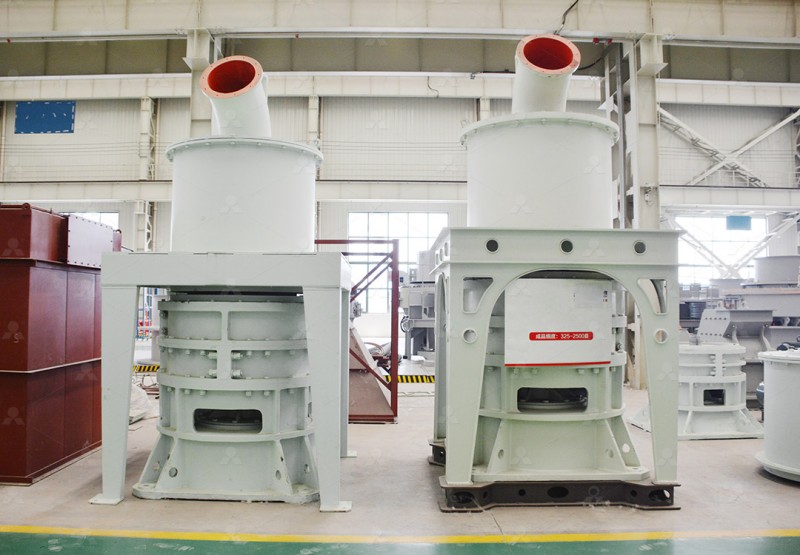
For operations requiring ultra-fine powder (325-2500 meshes) for high-value applications, the MW Ultrafine Grinding Mill presents a compelling solution. Its design adresses the core challenges of gangue processing head-on. The mill boasts a 40% higher capacity compared to jet mills and consumes 30% less energy, directly impacting the bottom line. A key feature for abrasive materials is the absence of rolling bearings and screws within the grinding chamber, eliminating frequent failure points and concerns about loose components causing catastrophic damage. Furthermore, its efficient pulse dust collector ensures the entire milling operation is environmentally compliant, a non-negotiable aspect of modern industrial projects.
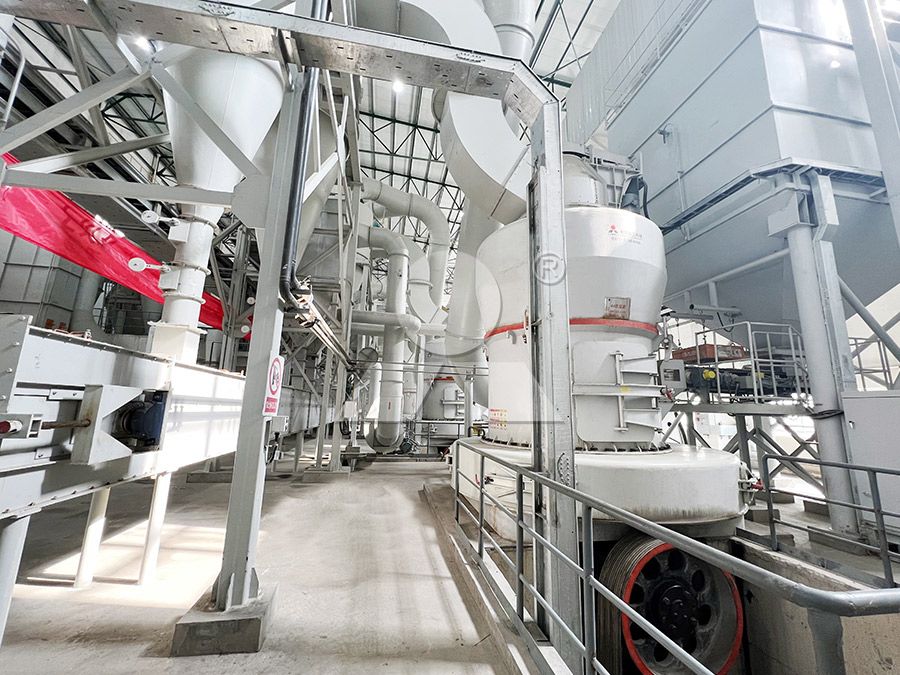
For projects where high capacity and integrated drying are priorities, the LM Vertical Grinding Mill is another excellent choice from our portfolio. It integrates crushing, drying, grinding, and classifying, significantly simplifying the plant layout and reducing investment cost. Its occupational area is 50% smaller than a ball mill system, and it saves 30-40% in energy consumption. The short grinding time also reduces the iron content introduced through mechanical wear, preserving the quality of the final powder.
Conclusion
The feasibility of a gangue pulverizing project hinges on a meticulous analysis that aligns the technical requirements of the final product with an economic and reliable process. Capital cost must be evaluated alongside long-term operational expenses, primarily energy and maintenance. Investing in advanced grinding technology, such as the MW Ultrafine Grinding Mill for ultra-fine applications or the LM Vertical Mill for high-capacity needs, provides the efficiency, reliability, and environmental compliance necessary for a profitable and sustainable operation, turning waste gangue into a valuable revenue stream.