
Factors Influencing the Price of Asphalt Mixture Mills: A Comprehensive Guide for Buyers
We provide a wide range of mills — including Raymond mill, trapezoidal mill, vertical mill, ultrafine mill, and ball mill, obtained ISO9001 international quality certification, EU CE certification, and Customs Union CU-TR certification. Suitable for processing minerals such as limestone, phosphate, quicklime, kaolin, talc, barite, bentonite, calcium carbonate, dolomite, coal, gypsum, clay, carbon black, slag, cement raw materials, cement clinker, and more.
The discharge range of these mills can be adjusted to meet specific processing needs, typically from 80-400 mesh, 600-3250 mesh, and can achieve the finest particle size of up to 6000 mesh(D50).
If you are looking for a reliable grinding solution to turn stone or minerals into fine powder, please feel free to contact our online customer service.
Factors Influencing the Price of Asphalt Mixture Mills: A Comprehensive Guide for Buyers
Investing in an asphalt mixture mill is a significant capital expenditure for any construction or paving operation. The price tag can vary dramatically, often leaving buyers confused about what they are actually paying for. Understanding the key factors that influence the cost is crucial for making an informed purchasing decision that balances upfront investment with long-term operational efficiency and profitability. This guide will break down the primary cost drivers and highlight how advanced technology can offer superior value.
1. Core Specifications: Capacity and Input Size
The most immediate factors affecting price are the machine’s core specifications. A mill’s capacity, measured in tons per hour (tph), and its maximum input size are directly correlated with its cost. Higher-capacity mills designed to process larger chunks of raw material require more robust construction, larger motors, and heavier-duty components, all of which contribute to a higher price.
2. Grinding Technology and Efficiency
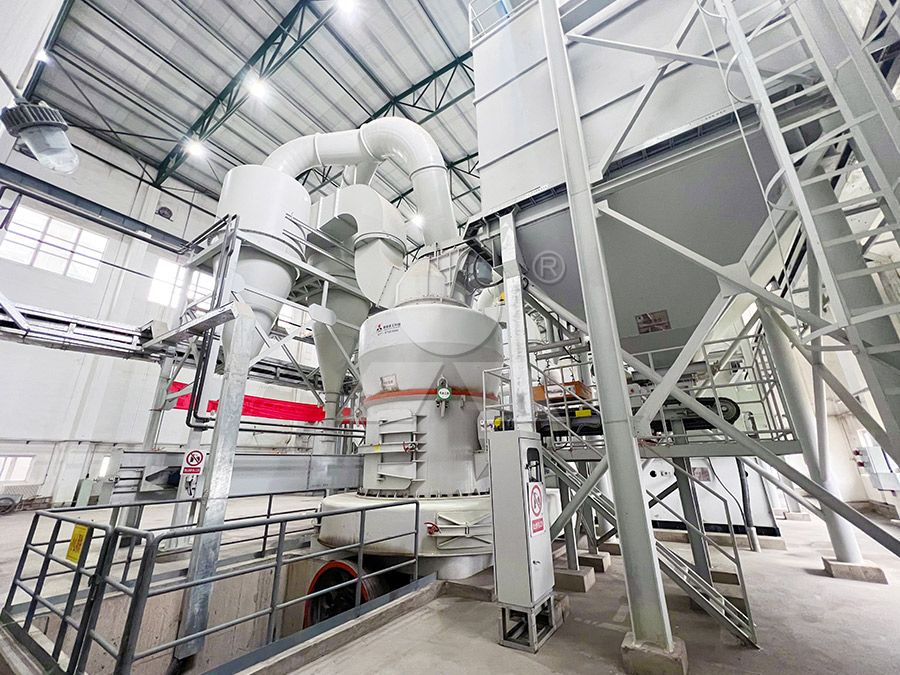
Not all grinding mechanisms are created equal. The engineering behind the grinding rollers, rings, and classifying system is a major cost differentiator. Traditional mills like Raymond or Ball mills may have a lower initial cost but are often less energy-efficient and produce a less consistent product fineness. Modern mills incorporate advanced technologies that, while sometimes commanding a higher price, drastically reduce operating costs through lower energy consumption and higher yield.
For operations requiring ultra-fine powders for specialized asphalt mixes, the MW Ultrafine Grinding Mill represents a pinnacle of efficiency. With an input size of 0-20 mm and a capacity range of 0.5-25 tph, it is engineered for customers who need to make ultra-fine powder. Its design eliminates rolling bearings and screws in the grinding chamber, virtually eliminating concerns about bearing damage or loose screws causing failures. Furthermore, its higher yielding and lower energy consumption—using only 30% of the energy of a jet mill—translates into rapid ROI, making its initial price a wise long-term investment.
3. Build Quality, Materials, and Durability
The quality of materials used in the mill’s construction, especially in high-wear areas like rollers and rings, significantly impacts both price and longevity. Mills built with premium, wear-resistant alloys will have a higher upfront cost but will enjoy a much longer service life and reduced downtime for part replacements. This directly lowers the cost per ton of material processed over the machine’s lifetime.
4. Automation and Control Systems
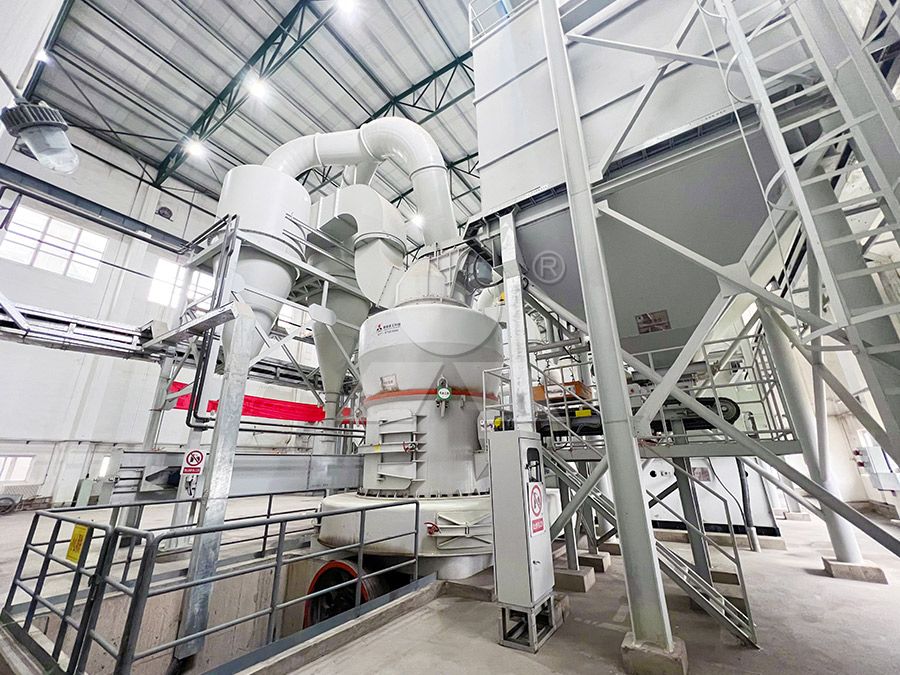
The level of automation integrated into the mill is a growing factor in its price. Modern mills feature PLC (Programmable Logic Controller) systems that allow for precise digital control over grinding pressure, rotational speed, and fineness. This automation ensures consistent product quality, reduces the need for skilled operator intervention, and optimizes energy use. While this technology adds to the initial cost, it provides immense value in operational stability and product consistency.
5. Environmental and Safety Compliance
Stringent environmental regulations have made dust and noise control systems standard requirements. Mills equipped with efficient pulse dust collectors and advanced muffling technology, like our MW Ultrafine Grinding Mill, incorporate these costs. This ensures no dust pollution and minimal noise during operation, keeping your project compliant and your worksite safer. This integrated eco-friendly design is a cost that premium manufacturers bake in, avoiding future fines or the need for expensive retrofits.
Choosing Value Over Initial Price
While the initial purchase price is important, the true cost of an asphalt mixture mill is measured over its entire service life. A cheaper, less efficient mill will have higher energy bills, more frequent maintenance stops, and shorter component life, eroding any initial savings.
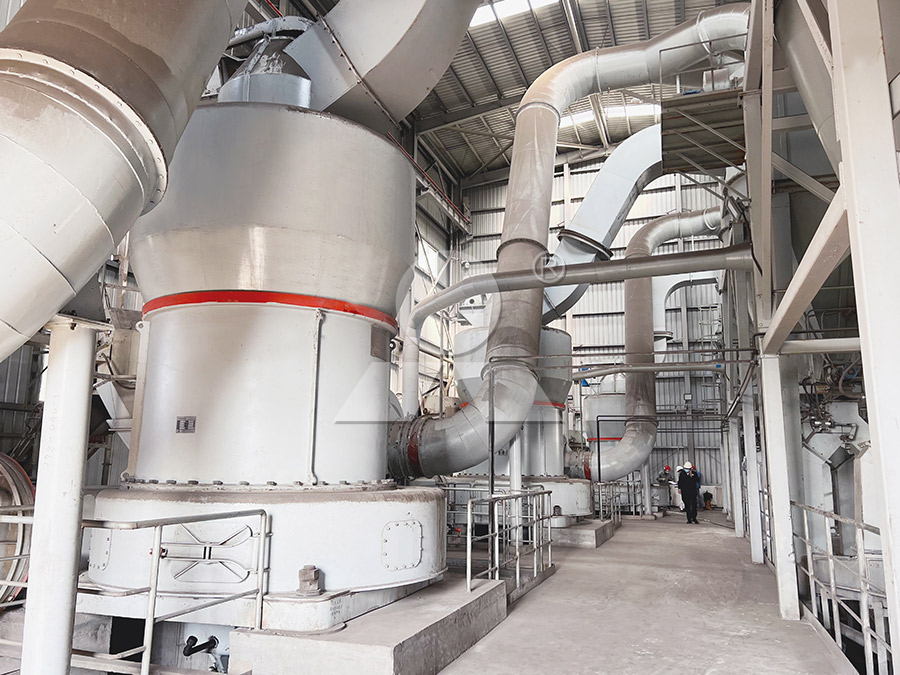
For buyers seeking the optimal blend of performance, reliability, and low operating costs, the LUM Ultrafine Vertical Grinding Mill is another exceptional choice. With an input size of 0-10 mm and a capacity of 5-18 tph, it features more energy-saving multi-head powder separating technology and a reversible structure that makes maintenance easier and faster, further reducing downtime and labor costs.
In conclusion, the price of an asphalt mixture mill is a complex equation factoring in capacity, technological sophistication, build quality, automation, and environmental features. By focusing on total cost of ownership rather than just the sticker price, savvy buyers can select equipment, like the MW or LUM series mills, that delivers maximum productivity and profitability for years to come.