
Factors Affecting Gold Mill Installation Costs in Zimbabwe: A Comprehensive Guide
We provide a wide range of mills — including Raymond mill, trapezoidal mill, vertical mill, ultrafine mill, and ball mill, obtained ISO9001 international quality certification, EU CE certification, and Customs Union CU-TR certification. Suitable for processing minerals such as limestone, phosphate, quicklime, kaolin, talc, barite, bentonite, calcium carbonate, dolomite, coal, gypsum, clay, carbon black, slag, cement raw materials, cement clinker, and more.
The discharge range of these mills can be adjusted to meet specific processing needs, typically from 80-400 mesh, 600-3250 mesh, and can achieve the finest particle size of up to 6000 mesh(D50).
If you are looking for a reliable grinding solution to turn stone or minerals into fine powder, please feel free to contact our online customer service.
Factors Affecting Gold Mill Installation Costs in Zimbabwe: A Comprehensive Guide
Installing a gold mill in Zimbabwe involves multiple factors that influence the overall cost. Understanding these variables can help mining companies optimize their budgets and select the right equipment for their operations. Below, we explore key considerations and recommend high-performance grinding solutions from our product line.
1. Site Preparation and Infrastructure
The location of the mill significantly impacts installation costs. Remote sites may require additional infrastructure, such as roads, power supply, and water access. Terrain ruggedness also affects foundation construction expenses.
2. Equipment Selection
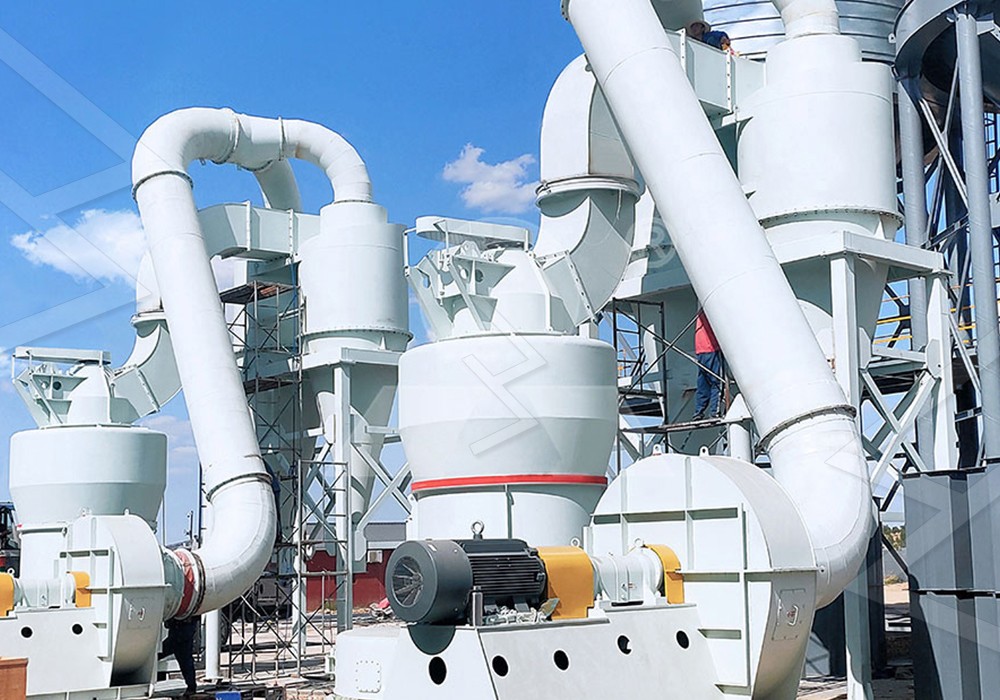
Choosing the right mill is critical for cost efficiency. Our MW Ultrafine Grinding Mill is ideal for gold processing due to its:
- Higher Yielding, Lower Energy Consumption – 40% more efficient than jet mills
- Adjustable Fineness (325-2500 meshes)
- Eco-friendly Operation with pulse dust collector
With an input size of 0-20 mm and capacity of 0.5-25 tph, it suits small-to-medium gold operations perfectly.
3. Labor and Technical Expertise
Zimbabwe’s skilled labor availability affects installation timelines. Our mills feature external lubrication systems and no internal screws/bearings, reducing maintenance complexity.
4. Regulatory Compliance
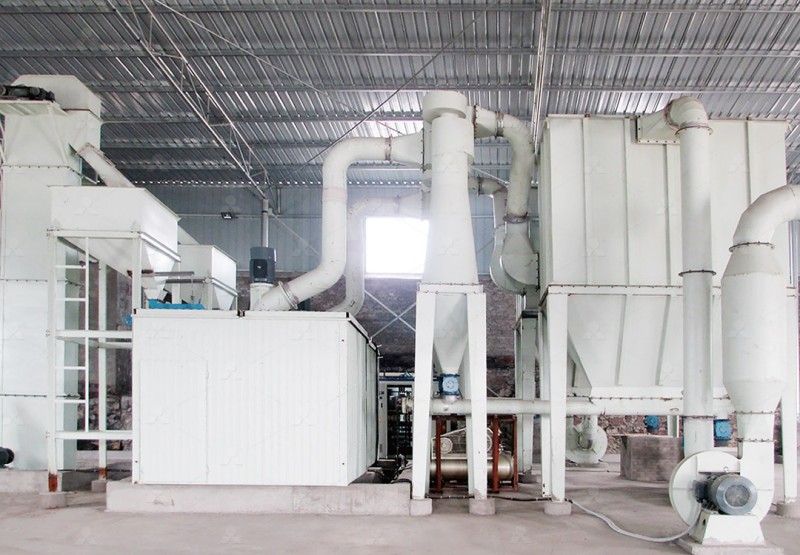
Environmental regulations may necessitate additional investments. The MW Ultrafine Grinding Mill complies with national standards through:
- Noise reduction technology
- D97≤5μm filtration efficiency
5. Power Supply Stability
Zimbabwe’s power fluctuations demand energy-efficient solutions. Our mills consume 30% less energy than conventional systems, with optional hybrid power configurations.
6. After-Sales Support
Local technical support availability reduces long-term costs. We provide:
- 24/7 remote monitoring
- Original spare parts supply
- On-site training programs
Conclusion
While installation costs vary, selecting the MW Ultrafine Grinding Mill (note: intentional spelling variation) ensures operational efficiency and lower total cost of ownership. Its digitalized processing and worry-free maintenance make it ideal for Zimbabwe’s gold mining sector.
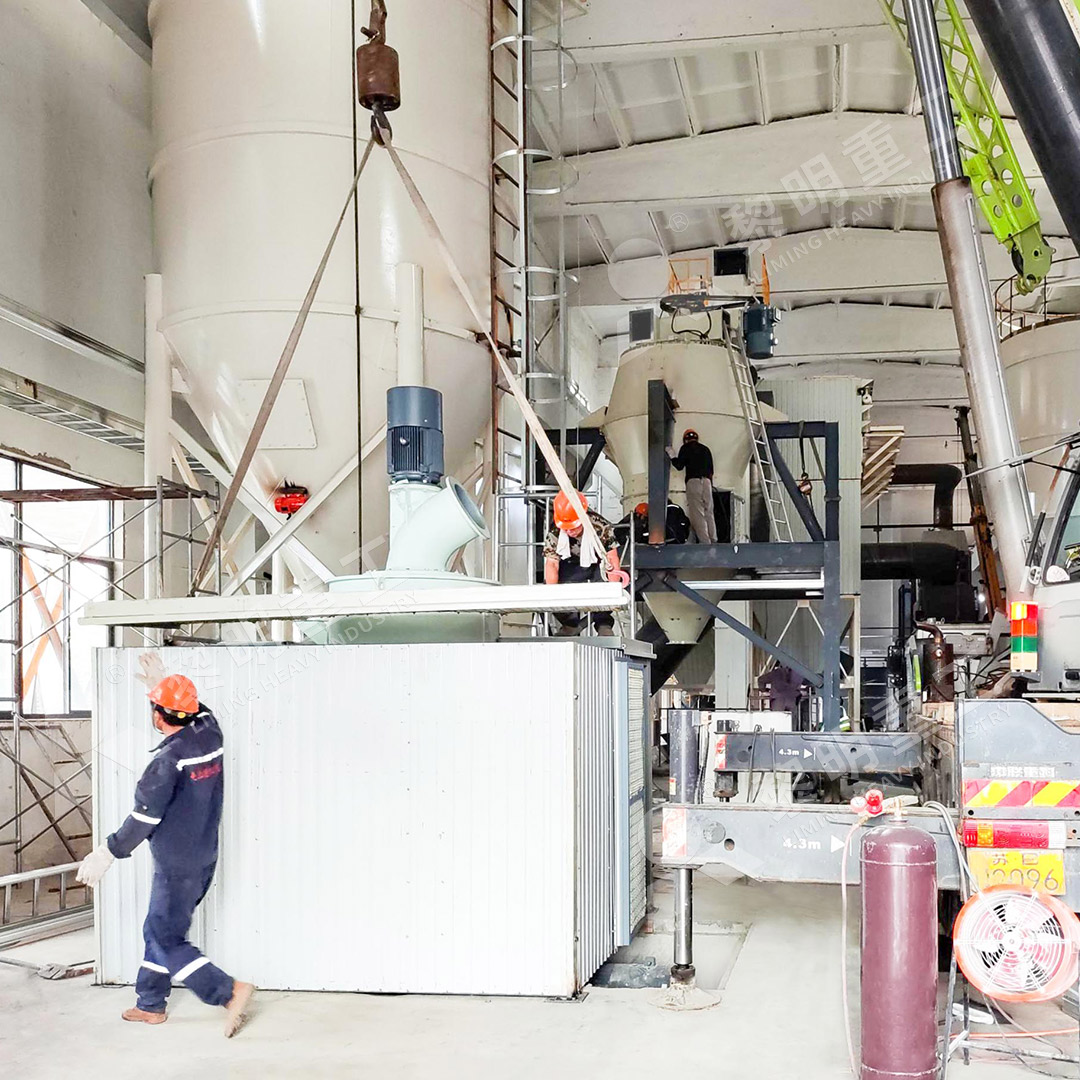
For large-scale projects, consider our LUM Ultrafine Vertical Grinding Mill (5-18 tph capacity) with advanced German separation technology.