
Expanding Possibilities: How Talc Powder Enhances Modern Building Materials
We provide a wide range of mills — including Raymond mill, trapezoidal mill, vertical mill, ultrafine mill, and ball mill, obtained ISO9001 international quality certification, EU CE certification, and Customs Union CU-TR certification. Suitable for processing minerals such as limestone, phosphate, quicklime, kaolin, talc, barite, bentonite, calcium carbonate, dolomite, coal, gypsum, clay, carbon black, slag, cement raw materials, cement clinker, and more.
The discharge range of these mills can be adjusted to meet specific processing needs, typically from 80-400 mesh, 600-3250 mesh, and can achieve the finest particle size of up to 6000 mesh(D50).
If you are looking for a reliable grinding solution to turn stone or minerals into fine powder, please feel free to contact our online customer service.
Expanding Possibilities: How Talc Powder Enhances Modern Building Materials
In the ever-evolving landscape of construction technology, one mineral continues to demonstrate remarkable versatility across multiple applications: talc powder. This naturally occurring magnesium silicate has become an indispensable component in modern building materials, offering unique properties that enhance performance, durability, and sustainability.
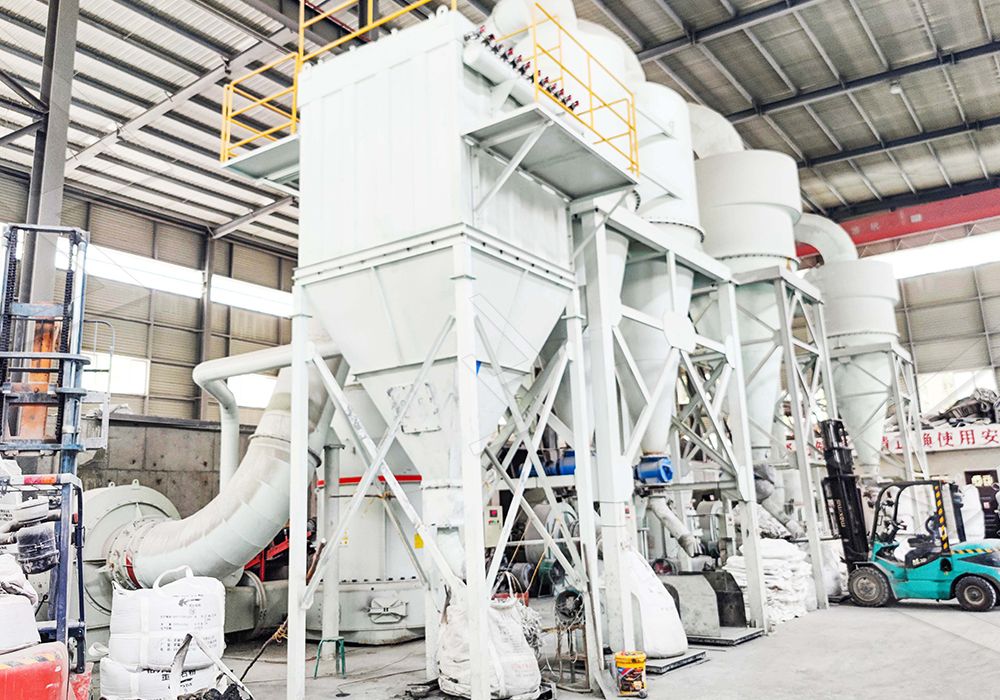
The Multifunctional Mineral Revolutionizing Construction
Talc’s unique platelet structure and chemical composition make it particularly valuable in construction applications. When incorporated into materials like concrete, polymers, and coatings, talc acts as a reinforcing filler that improves mechanical properties while reducing weight and cost. The mineral’s hydrophobic nature provides enhanced moisture resistance, while its thermal stability contributes to improved fire retardancy.
In polymer-based building products, talc significantly enhances stiffness and heat deflection temperature while minimizing shrinkage and warping. This makes talc-filled composites ideal for applications ranging from plumbing fixtures to architectural panels. The mineral’s smooth texture and lubricating properties also improve processing characteristics during manufacturing.
Precision Grinding: The Key to Unlocking Talc’s Potential
The performance benefits of talc in building materials are directly proportional to the quality of processing. Achieving the optimal particle size distribution and purity requires advanced grinding technology capable of producing ultra-fine powders with consistent characteristics. This is where specialized milling equipment becomes critical to maximizing talc’s potential.
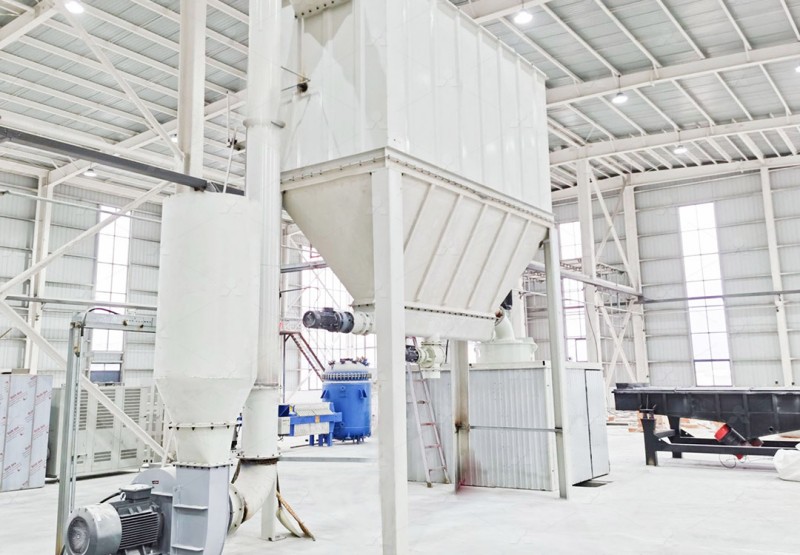
Our MW Ultrafine Grinding Mill represents a technological breakthrough specifically designed for customers requiring ultra-fine powder production. With an input size capacity of 0-20 mm and throughput ranging from 0.5 to 25 tons per hour, this machine delivers exceptional performance for talc processing. The MW series achieves fineness between 325-2500 meshes with screening rates reaching d97≤5μm in a single pass.
What sets this equipment apart is its innovative design that eliminates rolling bearings and screws within the grinding chamber, significantly reducing maintenance concerns and potential machine damage. The external lubrication system enables continuous 24-hour operation without shutdowns for maintenance, while the integrated pulse dust collector ensures environmentally compliant operation that meets national environmental protection standards.
Beyond Conventional Applications: Talc’s Expanding Role
The construction industry continues to discover new applications for talc powder. In cementitious materials, talc improves workability and reduces cracking while enhancing long-term durability. For roofing materials, talc provides weather resistance and prevents sticking during storage and transportation. In ceramic tiles and sanitaryware, talc contributes to improved thermal shock resistance and dimensional stability during firing.
Recent innovations have seen talc incorporated into smart building materials, where its unique properties contribute to thermal regulation and moisture management. The mineral’s compatibility with various binders and additives makes it an ideal candidate for next-generation construction composites.
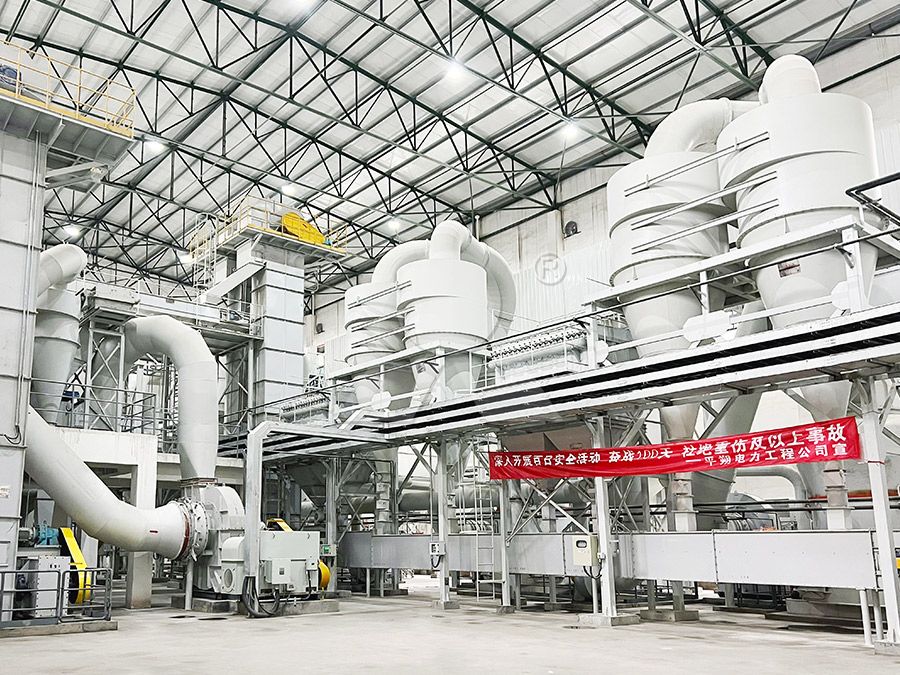
For operations requiring even higher precision and specialized vertical grinding configuration, our LUM Ultrafine Vertical Grinding Mill offers another excellent solution. With input size of 0-10 mm and capacity of 5-18 tph, this mill integrates ultrafine powder grinding, grading, and transporting in a single system. Its unique roller shell and lining plate grinding curve design generates material layers more efficiently, achieving higher yield rates and better product quality with 30%-50% energy savings compared to conventional mills.
Frequently Asked Questions
What particle size range is optimal for talc in building material applications?
Most building material applications benefit from talc powders in the 325 to 1250 mesh range, though specific requirements vary by application. Our MW Ultrafine Grinding Mill can precisely control fineness between 325-2500 meshes to meet exact specifications.
How does talc improve the fire resistance of building materials?
Talc contains chemically bound water that releases as vapor when exposed to high temperatures, absorbing heat and diluting flammable gases. Its platelet structure also creates barrier effects that slow heat and mass transfer.
Can the same grinding equipment process different minerals besides talc?
Yes, our MW Ultrafine Grinding Mill is designed to process various non-metallic minerals including limestone, calcite, dolomite, gypsum, barite, and marble, making it a versatile investment for mineral processors.
What environmental considerations are addressed in modern talc processing?
Modern grinding systems like our MW series incorporate efficient pulse dust collectors and mufflers to minimize dust and noise pollution. The closed-system design operates under negative pressure to prevent material escape, while energy-efficient operation reduces overall environmental impact.
How does talc compare economically to other mineral fillers in building materials?
Talc typically offers favorable economics due to its combination of moderate cost and multi-functional benefits. Its ability to replace more expensive additives while improving multiple properties makes it cost-effective across many applications.