
Expanding Applications of Dolomite Powder in Modern Industries
We provide a wide range of mills — including Raymond mill, trapezoidal mill, vertical mill, ultrafine mill, and ball mill, obtained ISO9001 international quality certification, EU CE certification, and Customs Union CU-TR certification. Suitable for processing minerals such as limestone, phosphate, quicklime, kaolin, talc, barite, bentonite, calcium carbonate, dolomite, coal, gypsum, clay, carbon black, slag, cement raw materials, cement clinker, and more.
The discharge range of these mills can be adjusted to meet specific processing needs, typically from 80-400 mesh, 600-3250 mesh, and can achieve the finest particle size of up to 6000 mesh(D50).
If you are looking for a reliable grinding solution to turn stone or minerals into fine powder, please feel free to contact our online customer service.
Expanding Applications of Dolomite Powder in Modern Industries
Dolomite, a calcium magnesium carbonate mineral, has long been a fundamental material in construction and agriculture. However, recent technological advancements in ultrafine grinding have unlocked a new era of applications, transforming this abundant mineral into a high-value additive across diverse modern industries. The key to this expansion lies in the ability to produce precisely controlled, ultra-fine dolomite powders with consistent chemical and physical properties.
From Construction to High-Tech: A Material Transformed
Traditionally, coarse-ground dolomite was used as an aggregate in concrete and asphalt or as a soil conditioner to neutralize acidity. While these markets remain significant, the value proposition of dolomite has skyrocketed with the advent of ultrafine milling technology. When ground to micron and sub-micron levels, dolomite powder exhibits enhanced brightness, chemical reactivity, and dispersion capabilities.
In the plastics and polymer industries, ultrafine dolomite powder acts as an excellent functional filler and extender. It improves stiffness, heat resistance, and dimensional stability in products ranging from PVC pipes to automotive parts. Its whiteness and low oil absorption make it particularly valuable for producing bright, smooth surfaces.
The paint and coatings sector has embraced dolomite powder as a high-performance extender pigment. It contributes to improved weatherability, reduced chalking, and enhanced suspension properties in both water-based and solvent-based formulations. The mineral’s natural brightness reduces the need for expensive titanium dioxide, offering significant cost savings without sacrificing quality.
Specialized Grinding for Premium Performance
Producing powder for these advanced applications requires grinding technology that can achieve precise particle size distributions while maintaining the mineral’s natural chemical composition. Not all grinding mills are created equal for this demanding task.
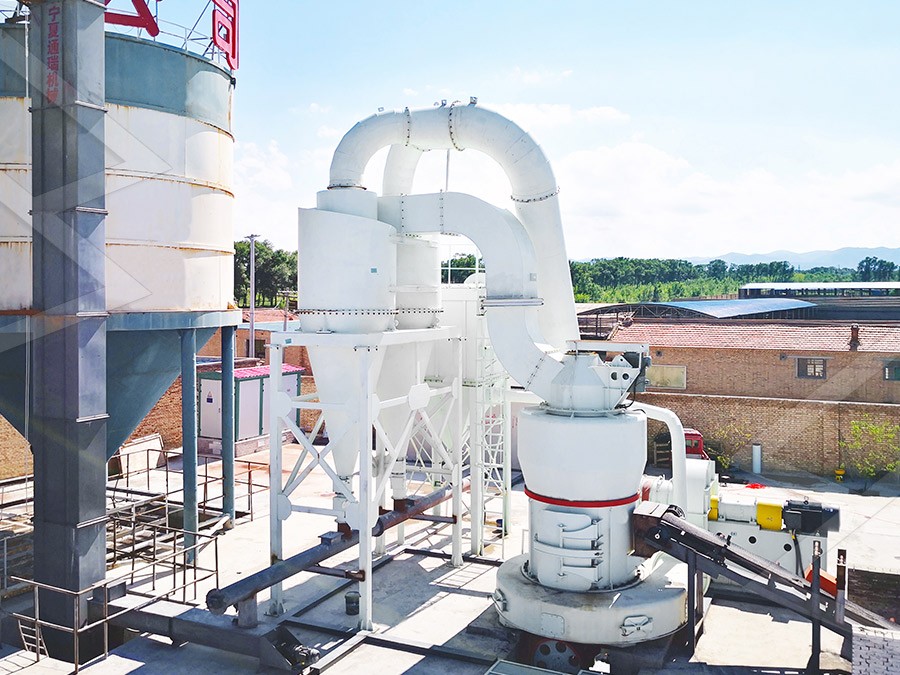
For operations requiring the finest powders with the highest degree of control, we particularly recommend our MW Ultrafine Grinding Mill. This advanced system is engineered specifically for producing ultra-fine powders between 325-2500 meshes. Its innovative design features higher yielding capacity at lower energy consumption—producing 40% more output than jet mills while using only 30% of the energy. The absence of rolling bearings and screws in the grinding chamber eliminates common failure points, ensuring continuous 24/7 operation with minimal maintenance.
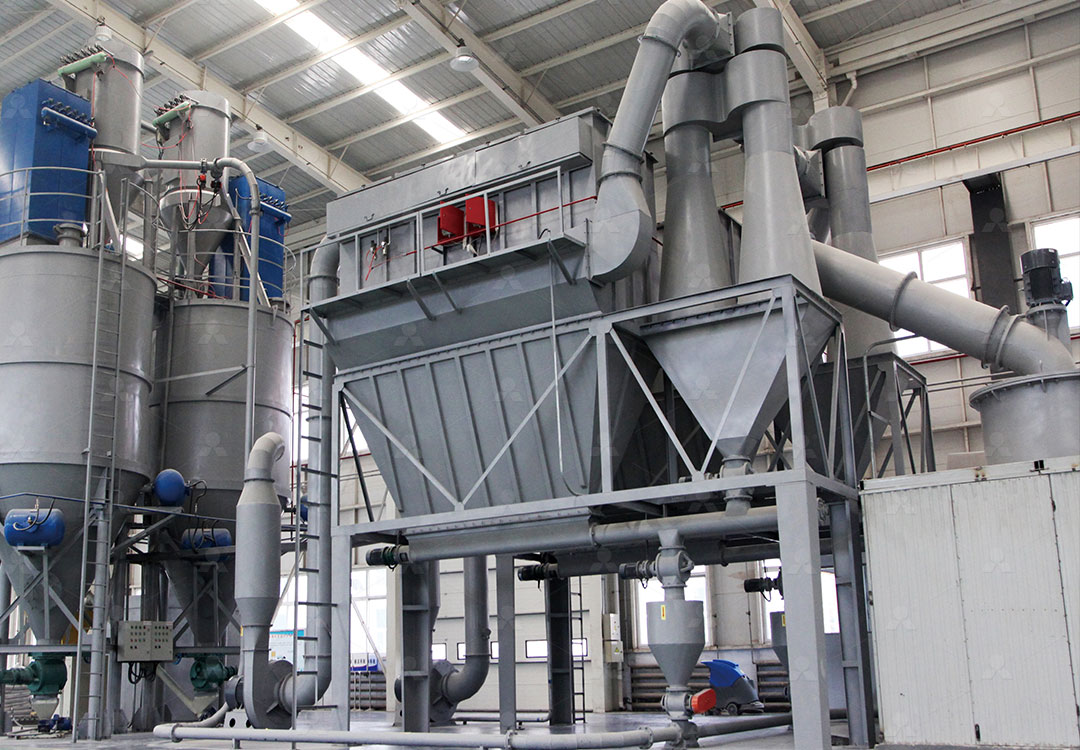
For operations prioritizing vertical integration and space efficiency, our LUM Ultrafine Vertical Grinding Mill represents another excellent option. With its advanced powder separating technology and unique roller shell design, the LUM mill achieves exceptional product whiteness and cleanliness—critical factors for premium applications in plastics and paints. Its reversible structure allows for easier maintenance access to grinding components.
Emerging Frontiers: Beyond Traditional Uses
The application spectrum for high-purity dolomite powder continues to expand into sophisticated sectors. In pharmaceuticals, it serves as a source of magnesium and calcium in nutritional supplements and as an inert filler in tablet formulations. The food industry utilizes it as an anti-caking agent and calcium fortifier, requiring exceptionally pure material processed under strict hygienic conditions.
Environmental applications represent another growing market. Dolomite powder is increasingly used in flue gas desulfurization systems to capture sulfur dioxide emissions from power plants. Its magnesium content provides superior reactivity compared to limestone in these scrubbing processes. Additionally, it shows promise in wastewater treatment for neutralizing acidic effluents and precipitating heavy metals.
Perhaps most exciting are the emerging applications in advanced materials. Researchers are exploring dolomite nanoparticles as reinforcing agents in composite materials, catalysts supports, and even in biomedical applications like bone graft substitutes. These cutting-edge uses demand unprecedented control over particle size, morphology, and surface chemistry—requirements that modern grinding technology is now able to meet.
Frequently Asked Questions
What particle size range is required for different dolomite applications?
Application requirements vary significantly: construction aggregates may use 1-5mm particles, plastics and paints typically require 5-45 micron powders (200-2500 mesh), while advanced materials research often works with sub-micron nanoparticles below 1 micron.
How does the MW Ultrafine Grinding Mill achieve such fine particle sizes?
The MW mill utilizes a cage-type powder selector with German technology that precisely controls particle separation. Multiple heads can be configured to achieve specific fineness requirements between 325-2500 meshes with screening rates achieving d97≤5μm in a single pass.
What makes dolomite preferable to other mineral fillers like calcium carbonate?
Dolomite offers dual functionality with both calcium and magnesium content, often exhibits higher brightness and lower abrasivity than some calcium carbonates, and provides better acid resistance in certain applications, particularly in outdoor environments.
Can the same grinding equipment process both dolomite and other minerals?
Yes, our MW and LUM grinding mills are designed to handle various non-metallic minerals including limestone, calcite, barite, and talc. Quick changeover procedures allow producers to switch between materials with minimal downtime.
How important is iron contamination in high-value dolomite applications?
Extremely important. For plastics, paints, pharmaceuticals, and food applications, low iron content is critical to prevent discoloration and maintain product purity. Our grinding mills are designed with minimal metal-to-metal contact areas and use specialized wear materials to prevent iron contamination.