
Excel Spreadsheet for Heat Transfer Calculations in Industrial Grinding Mills
We provide a wide range of mills — including Raymond mill, trapezoidal mill, vertical mill, ultrafine mill, and ball mill, obtained ISO9001 international quality certification, EU CE certification, and Customs Union CU-TR certification. Suitable for processing minerals such as limestone, phosphate, quicklime, kaolin, talc, barite, bentonite, calcium carbonate, dolomite, coal, gypsum, clay, carbon black, slag, cement raw materials, cement clinker, and more.
The discharge range of these mills can be adjusted to meet specific processing needs, typically from 80-400 mesh, 600-3250 mesh, and can achieve the finest particle size of up to 6000 mesh(D50).
If you are looking for a reliable grinding solution to turn stone or minerals into fine powder, please feel free to contact our online customer service.
Excel Spreadsheet for Heat Transfer Calculations in Industrial Grinding Mills
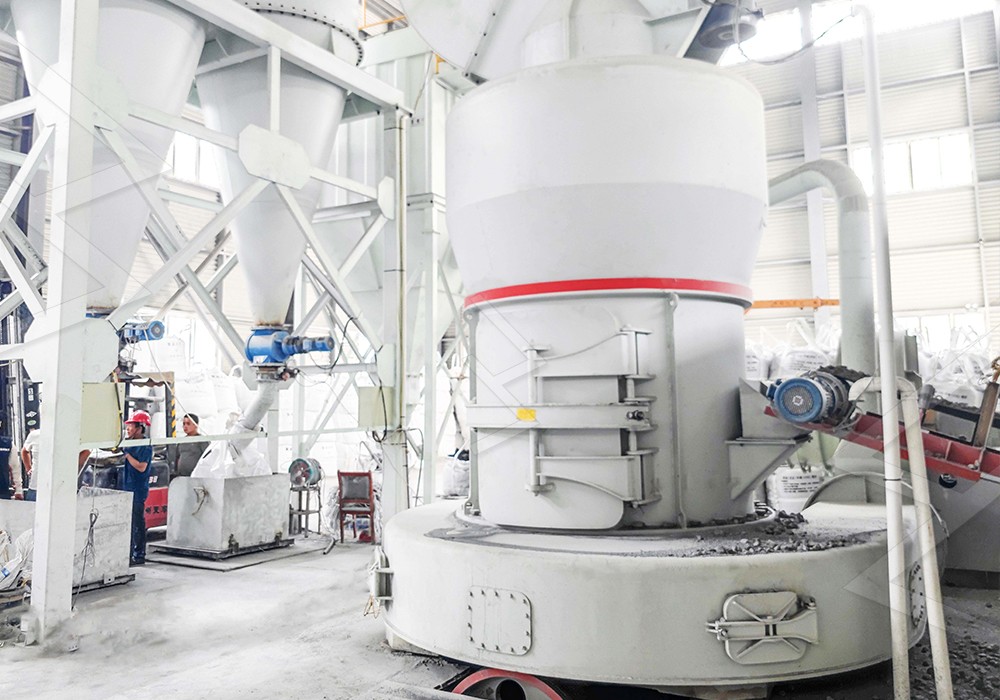
In the realm of industrial grinding operations, managing heat transfer is critical to ensuring equipment longevity, energy efficiency, and product quality. To simplify these complex calculations, an Excel spreadsheet tailored for heat transfer analysis in grinding mills can be an invaluable tool. This article explores the key considerations for such a spreadsheet and highlights how advanced grinding mills like the MW Ultrafine Grinding Mill and LUM Ultrafine Vertical Grinding Mill from LIMING integrate heat management features into their design.
Why Heat Transfer Calculations Matter
Grinding mills generate significant heat due to friction and mechanical energy conversion. Excessive heat can lead to:
- Material degradation (e.g., altered chemical properties in powders)
- Reduced equipment lifespan (bearing failures, thermal expansion issues)
- Increased energy consumption
An Excel-based calculator helps engineers:
- Predict thermal loads during operation
- Optimize cooling systems
- Compare energy efficiency across mill configurations
Key Parameters to Include
A robust spreadsheet should incorporate:
| Parameter | Description |
|---|---|
| Material Specific Heat | Heat capacity of processed materials (e.g., limestone, talc) |
| Grinding Pressure | Force between rollers and grinding table |
| Airflow Rate | Cooling capacity of mill ventilation systems |
Spotlight: LIMING’s Heat-Efficient Grinding Mills
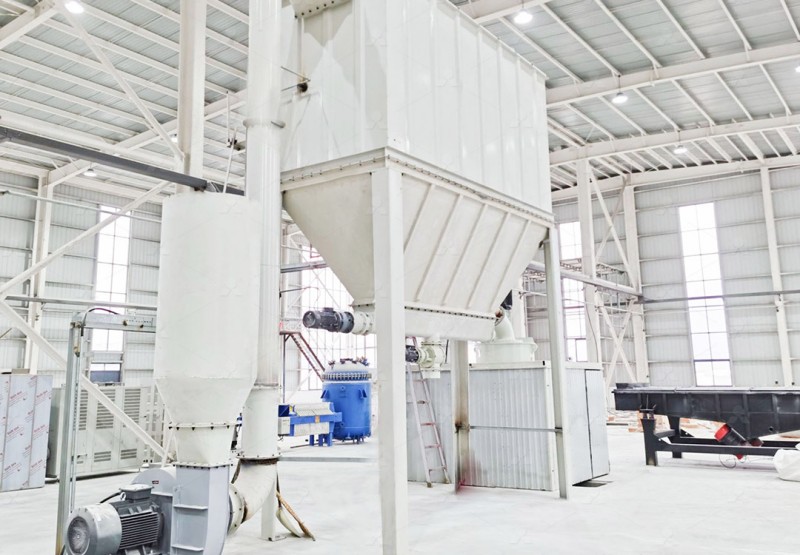
Modern mills like the MW Ultrafine Grinding Mill (0.5-25 tph capacity) address heat challenges through:
- External Lubrication System: Prevents overheating of critical components
- Pulse Dust Collector: Reduces heat retention in the grinding chamber
- Optimized Airflow: 40% higher efficiency than conventional mills
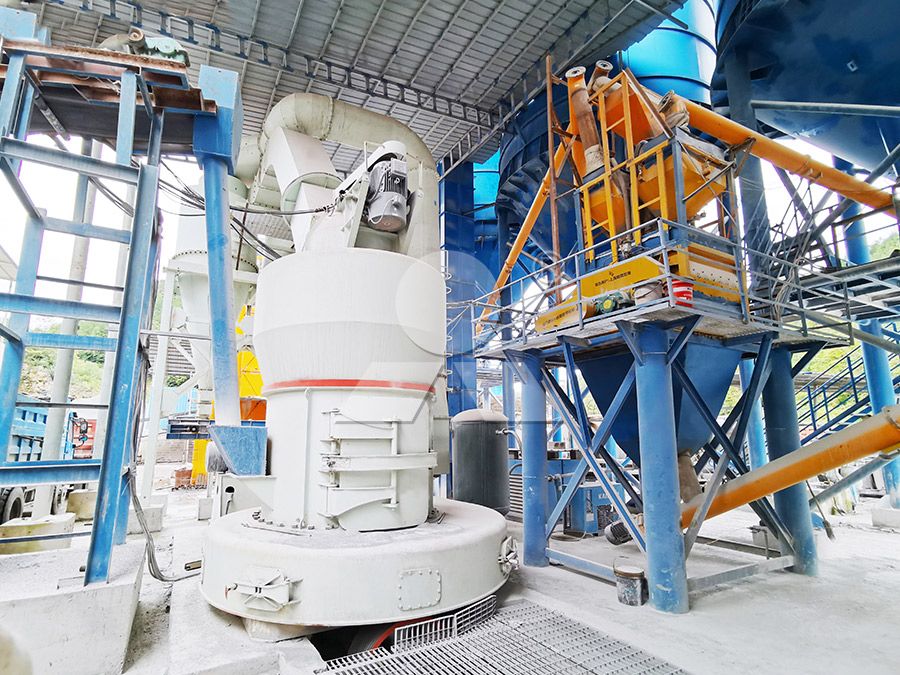
For larger-scale operations, the LUM Ultrafine Vertical Grinding Mill (5-18 tph) offers:
- PLC-controlled multi-head powder separation to minimize heat generation
- Double position-limiting technology for stable thermal expansion control
- 30-50% lower energy consumption compared to traditional mills
Implementing the Spreadsheet
To create your heat transfer calculator:
- Input mill specifications (power, speed, dimensions)
- Add material properties (conductivity, moisture content)
- Incorporate environmental factors (ambient temperature, humidity)
- Use conditional formatting to highlight thermal risk zones
Conclusion
By combining precise Excel calculations with advanced mill designs like LIMING’s MW and LUM series, operators can achieve optimal thermal management. These tools enable proactive maintenance and energy savings – critical factors in today’s competitive industrial landscape.