
Evaluating the Ease of Operation for a Limestone Grinding Mill
We provide a wide range of mills — including Raymond mill, trapezoidal mill, vertical mill, ultrafine mill, and ball mill, obtained ISO9001 international quality certification, EU CE certification, and Customs Union CU-TR certification. Suitable for processing minerals such as limestone, phosphate, quicklime, kaolin, talc, barite, bentonite, calcium carbonate, dolomite, coal, gypsum, clay, carbon black, slag, cement raw materials, cement clinker, and more.
The discharge range of these mills can be adjusted to meet specific processing needs, typically from 80-400 mesh, 600-3250 mesh, and can achieve the finest particle size of up to 6000 mesh(D50).
If you are looking for a reliable grinding solution to turn stone or minerals into fine powder, please feel free to contact our online customer service.
Evaluating the Ease of Operation for a Limestone Grinding Mill
When it comes to industrial milling operations, particularly for materials like limestone, the ease of operation is a critical factor that directly impacts productivity, maintenance costs, and overall efficiency. A mill that is difficult to operate or maintain can lead to significant downtime, increased labor costs, and reduced profitability. In this article, we’ll explore the key factors that contribute to operational ease and highlight a solution that excels in this regard.
Key Factors in Operational Ease
Several elements determine how easily a grinding mill can be operated and maintained:
- Accessibility for routine maintenance and part replacement
- Complexity of lubrication systems
- Dust and noise control measures
- Automation capabilities
- Reliability of components
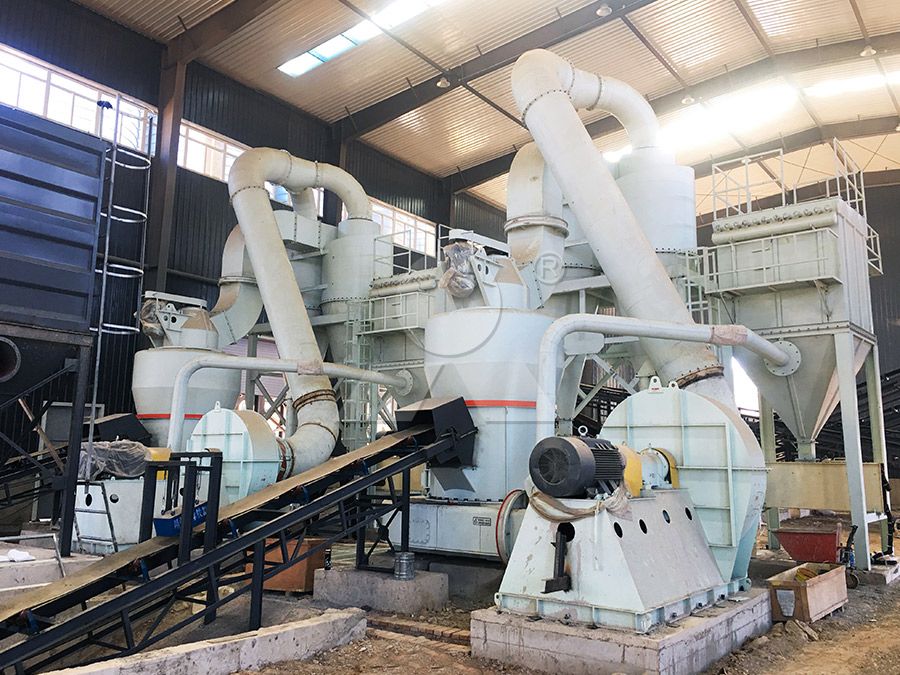
Traditional grinding mills often fall short in these areas, requiring frequent shutdowns for maintenance, generating excessive dust and noise, and demanding constant operator attention. However, recent technological advancements have addressed these challenges effectively.
The MW Ultrafine Grinding Mill Advantage
Among the various options available, our MW Ultrafine Grinding Mill stands out for its exceptional ease of operation. Designed specifically for customers requiring ultra-fine powder production, this machine incorporates several innovative features that simplify operation and maintenance.
With an input size capacity of 0-20 mm and throughput ranging from 0.5-25 tph, the MW Mill handles limestone grinding with remarkable efficiency. One of its most significant advantages is the absence of rolling bearings and screws in the grinding chamber. This design eliminates concerns about bearing damage or sealing part failures, and completely avoids machine damage caused by loose screws – common problems in conventional mills.
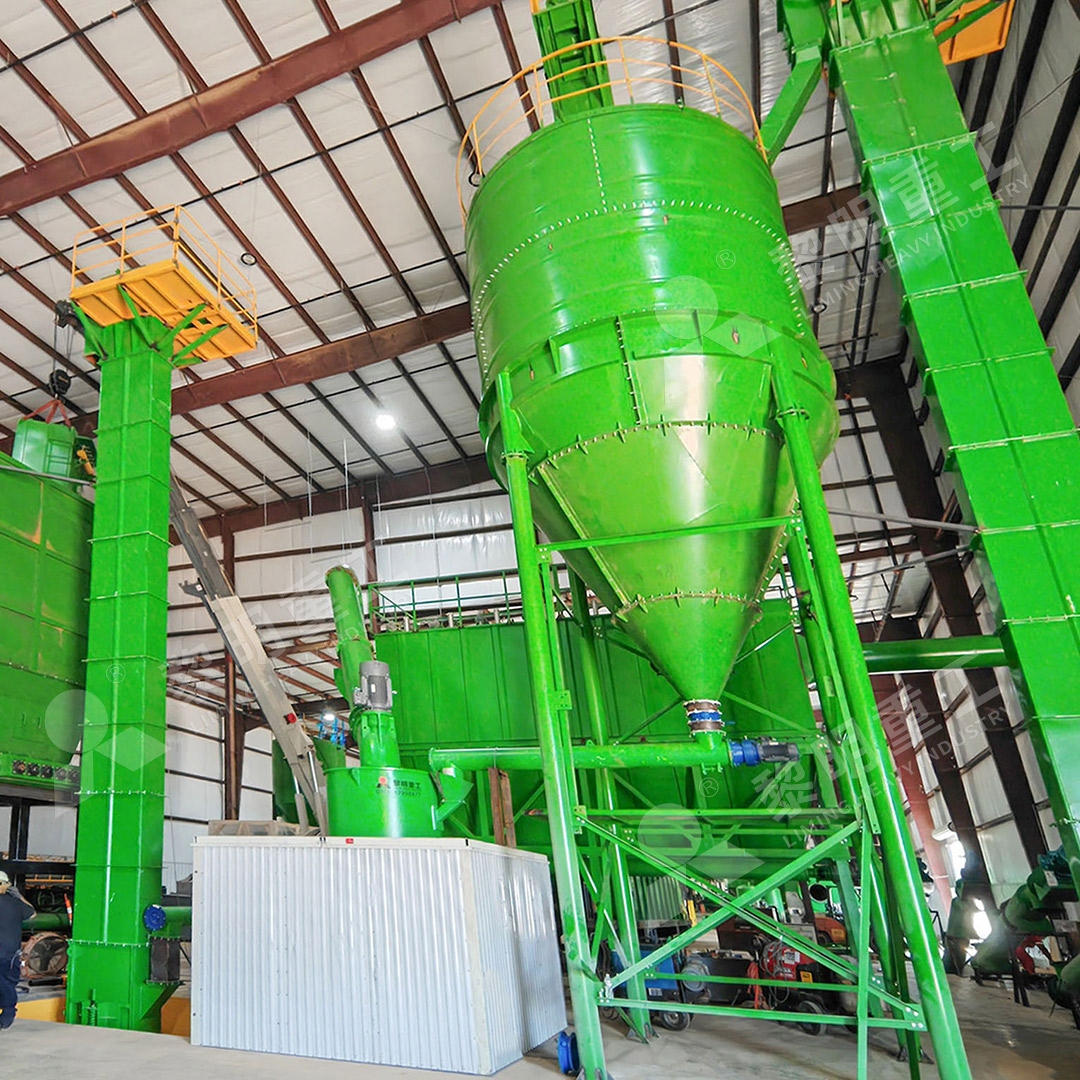
Features That Enhance Operational Simplicity
The MW Ultrafine Grinding Mill’s external lubrication system allows for maintenance without shutdowns, enabling continuous 24/7 operation. The efficient pulse dust collector and muffler system significantly reduces environmental impact while creating a cleaner, safer working environment for operators.
The cage-type powder selector, incorporating German technology, allows precise fineness adjustment between 325-2500 meshes with screening rates achieving d97≤5μm in a single pass. This precision reduces the need for operator intervention and adjustments during operation.
Another Excellent Option: LUM Ultrafine Vertical Grinding Mill
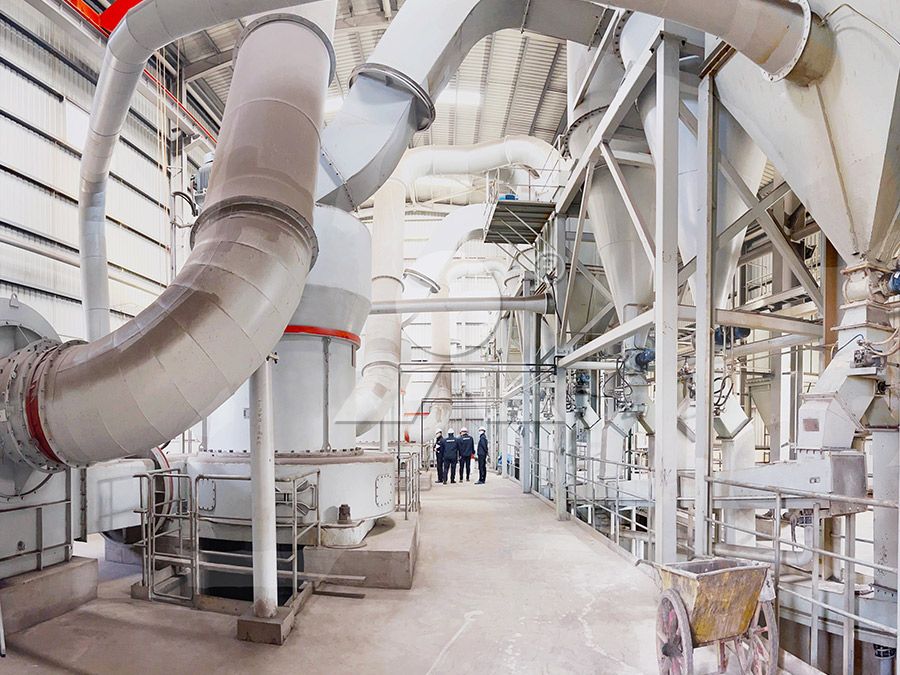
For operations requiring different specifications, our LUM Ultrafine Vertical Grinding Mill offers exceptional operational ease with input size of 0-10 mm and capacity of 5-18 tph. Its reversible structure was specifically designed with maintenance in mind – heavy grinding rollers can be easily moved out of the body for inspection and replacement of roller shells and liner plates.
The LUM Mill’s double position-limiting technology prevents destructive impacts from machine vibration, ensuring stable operation with minimal supervision. The PLC control system and multi-head powder separating technology allow precise control of grinding parameters with reduced energy consumption of 30%-50% compared to conventional mills.
Conclusion
When evaluating grinding mills for limestone processing, operational ease should be a primary consideration. The MW Ultrafine Grinding Mill, with its innovative design focusing on maintenance-free operation, environmental friendliness, and automated controls, represents a significant advancement in milling technology. Similarly, the LUM Ultrafine Vertical Grinding Mill offers complementary advantages for different operational requirements.
Both mills demonstrate that modern grinding technology can achieve both superior performance and remarkable operational simplicity, reducing labor requirements while increasing productivity and reliability. For operations seeking to optimize their limestone grinding processes, these solutions offer the perfect balance of performance and operational ease.