
Esteam Vertical Ram Turret Milling Machines: A Comprehensive Guide for Industrial Milling
We provide a wide range of mills — including Raymond mill, trapezoidal mill, vertical mill, ultrafine mill, and ball mill, obtained ISO9001 international quality certification, EU CE certification, and Customs Union CU-TR certification. Suitable for processing minerals such as limestone, phosphate, quicklime, kaolin, talc, barite, bentonite, calcium carbonate, dolomite, coal, gypsum, clay, carbon black, slag, cement raw materials, cement clinker, and more.
The discharge range of these mills can be adjusted to meet specific processing needs, typically from 80-400 mesh, 600-3250 mesh, and can achieve the finest particle size of up to 6000 mesh(D50).
If you are looking for a reliable grinding solution to turn stone or minerals into fine powder, please feel free to contact our online customer service.
Esteam Vertical Ram Turret Milling Machines: A Comprehensive Guide for Industrial Milling
In the realm of industrial machining, precision, versatility, and reliability are non-negotiable. Esteam Vertical Ram Turret Milling Machines have long been recognized for their robust construction and adaptability in handling a wide array of milling operations. This guide delves into the core aspects of these machines, offering insights for both seasoned machinists and those new to the field.
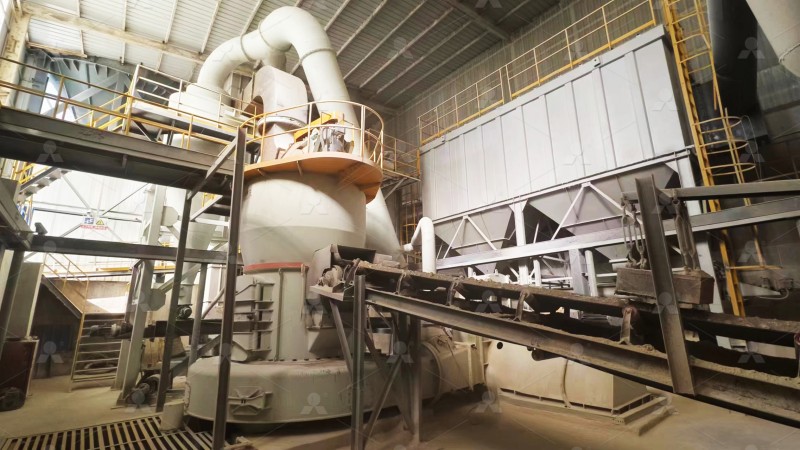
Understanding the Vertical Ram Turret Design
The defining feature of these machines is the combination of a vertical spindle orientation with a ram and turret head. The ram, which can be moved in and out, provides significant flexibility in positioning the spindle over the workpiece. The turret, typically allowing 360-degree rotation, enables the machinist to easily swing the head out of the way for setup or to access the table from various angles. This design is exceptionally well-suited for die-making, mold-making, and large-part machining where tooling access is critical.
Key advantages include the ability to perform face milling, end milling, slotting, and drilling operations on large, heavy workpieces. The rigidity of the ram and turret construction ensures stability during heavy cuts, maintaining accuracy over long production runs.
Critical Considerations for Optimal Performance
To maximize the productivity of an Esteam milling machine, several factors must be considered. First is the power of the main drive motor, which dictates the machine’s ability to handle tough materials. Second is the table size and travel, determining the maximum workpiece dimensions. The quill travel and spindle taper (commonly R8 or ISO 40) are also vital for tooling compatibility and depth capacity.
Modern iterations often feature powered feeds on the X, Y, and Z axes, and some may include digital readout (DRO) systems for enhanced precision. Regular maintenance, including checking lubrication levels and ensuring way surfaces are clean, is paramount for preserving long-term accuracy.
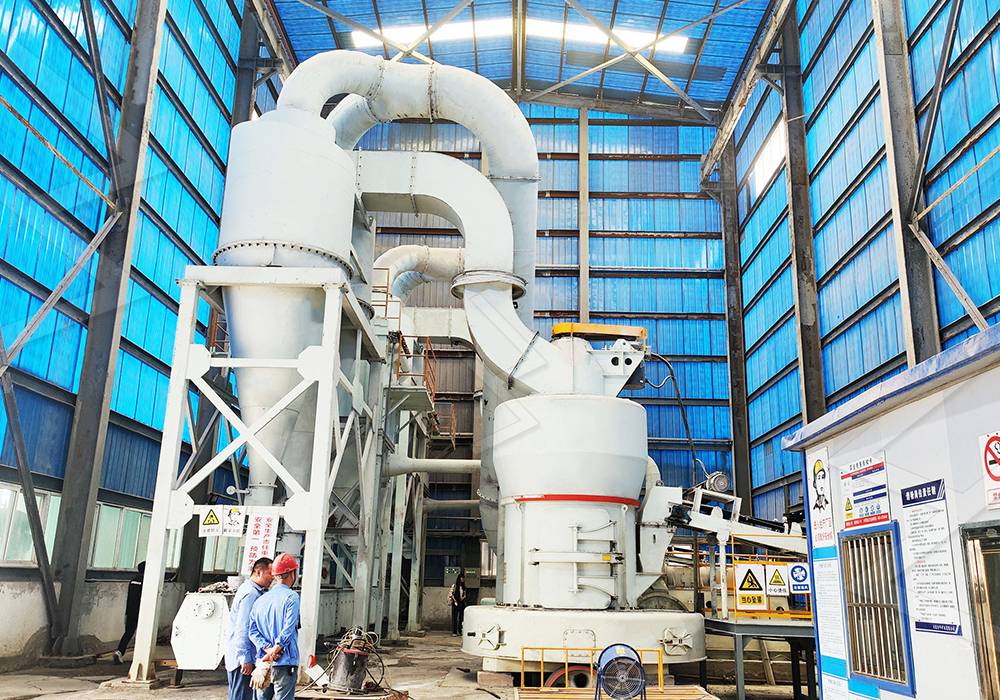
Beyond Metal: Milling in Broader Material Processing
While Esteam mills excel in metalworking, the principles of precision size reduction are fundamental across industries. For operations that require the production of ultra-fine powders from minerals or industrial by-products, a different class of machinery is required. In these contexts, grinding mills are the workhorses.
For instance, our MW Ultrafine Grinding Mill is engineered for customers needing to produce ultra-fine powder with high efficiency. Designed with an input size of 0-20 mm and a capacity ranging from 0.5 to 25 tons per hour, it is ideal for processing materials like limestone, calcite, and dolomite. Its innovative design features higher yielding and lower energy consumption compared to traditional mills, producing powder with a fineness adjustable between 325 and 2500 meshes. The absence of rolling bearings and screws in the grinding chamber enhances reliability, while the integrated pulse dust collector ensures an eco-friendly operation.
Similarly, for applications demanding advanced vertical grinding technology, the LUM Ultrafine Vertical Grinding Mill represents a significant leap forward. With an input size of 0-10 mm and a capacity of 5-18 tph, it integrates ultrafine powder grinding, grading, and transporting. Its unique roller shell and lining plate grinding curve promote a stable material layer, resulting in a higher yielding rate and better product quality. Features like multi-head powder separating technology and a reversible structure for easier maintenance make it a superior choice for producing superfine dry powder of non-metal ores.
Frequently Asked Questions (FAQ)
What is the primary advantage of a ram and turret design on a milling machine?
The primary advantage is unparalleled flexibility. The ability to move the ram and rotate the turret head allows the spindle to be positioned over a large work area and accessed from almost any angle, making it ideal for complex and large-scale workpieces.
How does the MW Ultrafine Grinding Mill achieve its energy efficiency?
The MW Mill achieves higher efficiency through newly designed grinding curves of the roller and ring, which enhance grinding mechanics. Its system energy consumption is only about 30% of a comparable jet grinding mill, thanks to this optimized design and efficient powder separation.
Can the LUM Ultrafine Vertical Grinding Mill handle hard-to-grind materials?
Yes. The LUM Mill allows users to accurately control grinding pressure and roller speed via a PLC system. This, combined with its robust construction and double position-limiting technology, enables it to process a wide range of material hardnesses effectively and stably.
What maintenance is typically required for a vertical ram turret mill?
Regular maintenance includes checking and replenishing way lubrication, ensuring gibs are properly adjusted, cleaning the machine of chips and coolant, and verifying the accuracy of feeds and backlash. Periodic checks of the spindle drive and quill mechanism are also recommended.