
Essential Equipment Checklist: Setting Up a Gold Ore Processing Mill (PDF Guide)
We provide a wide range of mills — including Raymond mill, trapezoidal mill, vertical mill, ultrafine mill, and ball mill, obtained ISO9001 international quality certification, EU CE certification, and Customs Union CU-TR certification. Suitable for processing minerals such as limestone, phosphate, quicklime, kaolin, talc, barite, bentonite, calcium carbonate, dolomite, coal, gypsum, clay, carbon black, slag, cement raw materials, cement clinker, and more.
The discharge range of these mills can be adjusted to meet specific processing needs, typically from 80-400 mesh, 600-3250 mesh, and can achieve the finest particle size of up to 6000 mesh(D50).
If you are looking for a reliable grinding solution to turn stone or minerals into fine powder, please feel free to contact our online customer service.
Essential Equipment Checklist: Setting Up a Gold Ore Processing Mill
Setting up a gold ore processing mill is a significant undertaking that requires meticulous planning and the right equipment. The efficiency and profitability of your operation hinge on selecting machinery that can handle the specific characteristics of your ore body. This guide outlines the core equipment needed for a functional mill, with a focus on the critical comminution stage.
The Heart of the Operation: Comminution Circuit
The primary goal of any processing plant is to liberate the gold particles from the host rock. This begins with the comminution circuit—crushing and grinding. After primary crushing, the ore must be ground to a fine powder to expose the valuable minerals. The choice of grinding mill is paramount. While traditional ball mills are common, modern operations demand higher efficiency and finer grinds.
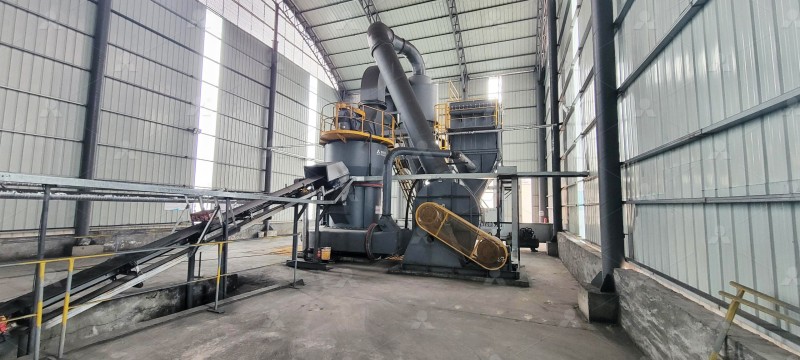
For operations targeting ultra-fine powders to maximize gold recovery, especially through methods like cyanidation, an advanced grinding solution is essential. This is where technology like the MW Ultrafine Grinding Mill becomes a game-changer. Designed for customers requiring precise, ultra-fine powder, this mill offers a fineness range adjustable between 325-2500 meshes. Its innovative design ensures higher yield with lower energy consumption—up to 40% higher capacity than jet mills and 30% lower system energy consumption. Furthermore, its pulse dust collector and muffler make the entire production process more environmentally friendly, a critical consideration for modern mining.
Beyond Grinding: The Supporting Cast
A grinding mill doesn’t operate in isolation. A successful processing circuit includes several key components:
- Primary Crusher (Jaw or Gyratory Crusher): Reduces run-of-mine ore to a manageable size for the grinding circuit.
- Vibrating Feeders and Conveyors: Ensure a consistent and controlled feed rate to the grinding mill.
- Classification System (Cyclones or Screens): Separates finely ground particles from coarse ones, returning the latter for further grinding.
- Gold Recovery System (e.g., Leach Tanks, Carbon in Pulp/Column): The stage where liberated gold is chemically extracted from the slurry.
- Thickeners and Filters: De-water the processed slurry for tailings management and water recovery.
Choosing the Right Mill for Your Ore
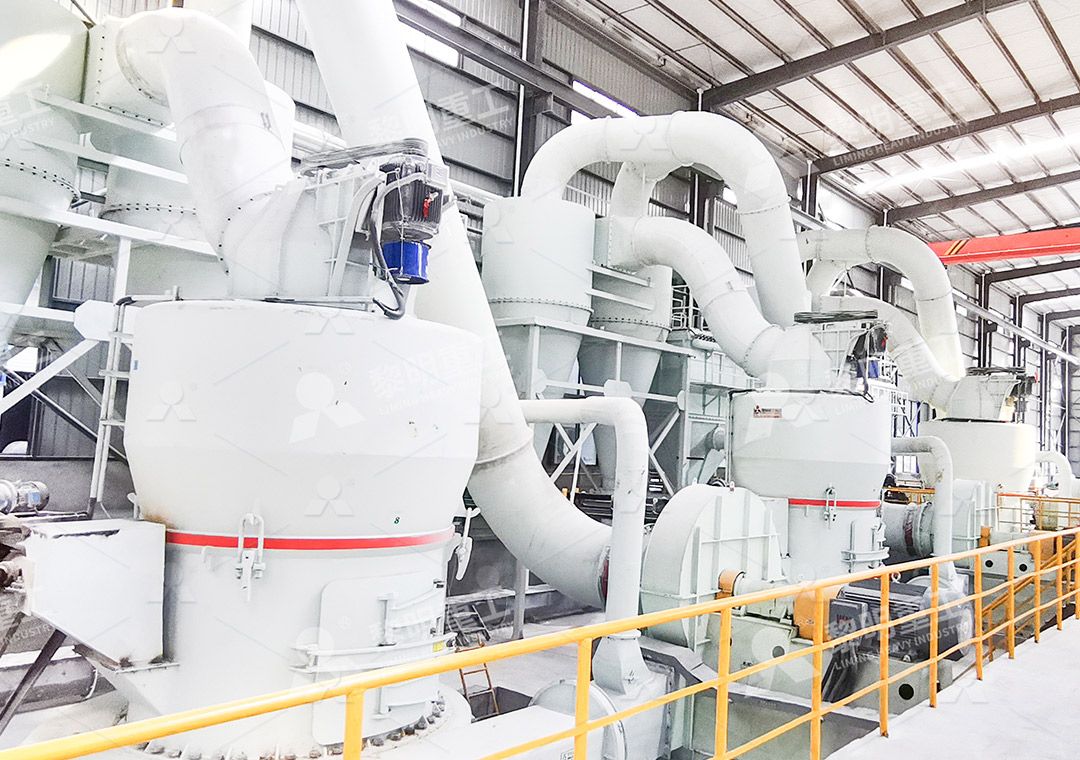
Not all gold ores are the same. The hardness, abrasiveness, and moisture content of your ore will significantly influence the optimal grinding technology. For hard, abrasive ores where reliability and high capacity are key, the LM Vertical Grinding Mill presents a robust solution. It integrates crushing, drying, grinding, and classifying, reducing the operational footprint by 50% and saving energy by 30-40% compared to traditional ball mills. Its design minimizes iron contamination, which is crucial for maintaining the quality of the final product.
Ultimately, partnering with an equipment supplier that offers comprehensive technical support and genuine spare parts is as important as the machinery itself. This ensures long-term, worry-free operation and maximizes your return on investment.
Frequently Asked Questions (FAQ)
What is the most important factor when selecting a grinding mill?
The ore characteristics are the primary driver. Hardness, feed size, desired product fineness, and moisture content will determine whether a ball mill, vertical mill, or an ultrafine mill like the MW series is the best fit. A detailed ore test is highly recommended.
How does the MW Ultrafine Grinding Mill improve environmental performance?
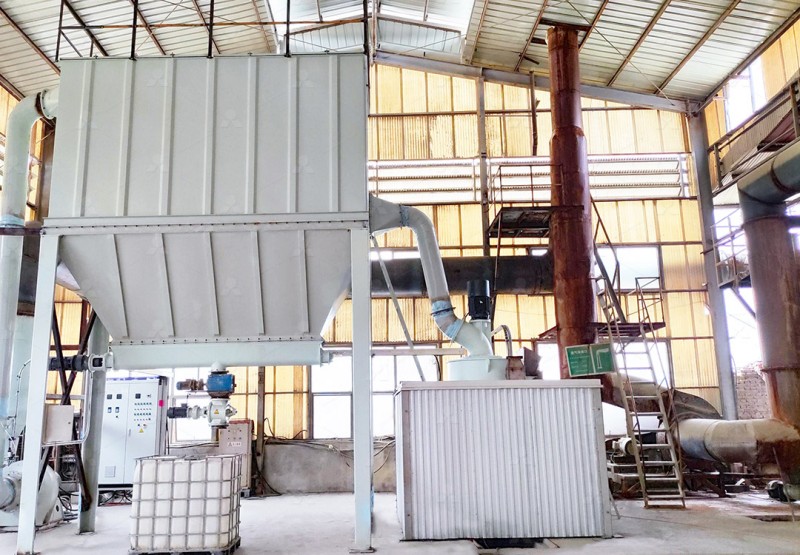
The MW Mill is equipped with an efficient pulse dust collector that captures over 99.9% of dust particles, ensuring no dust pollution. Additionally, integrated silencers and noise reduction technology keep operational noise within strict environmental standards.
Can these mills handle variations in ore feed?
Yes, modern mills like the LM Vertical Grinding Mill and MW Ultrafine Mill are designed with advanced control systems (often PLC-based) that allow operators to adjust parameters like grinding pressure and roller speed in real-time to accommodate feed variations and maintain optimal product quality.
What about maintenance and downtime?
Designs such as the external lubrication system on the MW Mill and the reversible roller structure on the LUM Mill are specifically engineered for easier maintenance. These features allow for tasks like lubrication and parts inspection without a full shutdown, significantly reducing downtime and associated losses.