
Essential Cement Tube Mill Routine Maintenance Checklist for Optimal Performance
We provide a wide range of mills — including Raymond mill, trapezoidal mill, vertical mill, ultrafine mill, and ball mill, obtained ISO9001 international quality certification, EU CE certification, and Customs Union CU-TR certification. Suitable for processing minerals such as limestone, phosphate, quicklime, kaolin, talc, barite, bentonite, calcium carbonate, dolomite, coal, gypsum, clay, carbon black, slag, cement raw materials, cement clinker, and more.
The discharge range of these mills can be adjusted to meet specific processing needs, typically from 80-400 mesh, 600-3250 mesh, and can achieve the finest particle size of up to 6000 mesh(D50).
If you are looking for a reliable grinding solution to turn stone or minerals into fine powder, please feel free to contact our online customer service.
Essential Cement Tube Mill Routine Maintenance Checklist for Optimal Performance
Maintaining your cement tube mill isn’t just about fixing problems as they arrise—it’s about preventing them. A proactive, regimented maintenance schedule is the single most effective strategy for maximizing uptime, ensuring product quality, and protecting your capital investment. Neglect leads to unplanned shutdowns, costly emergency repairs, and inconsistent grind quality. This checklist provides a comprehensive framework for keeping your mill running at its peak.
Daily Maintenance Checks
These visual and operational checks should be performed at the start of each shift.
- Lubrication Inspection: Check oil levels in all gearboxes and bearings. Look for any signs of leaks around seals and gaskets. Ensure automatic lubrication systems are functioning and reservoirs are full.
- Vibration & Noise Monitoring: Listen for unusual grinding, knocking, or screeching sounds. Use basic vibration analysis tools to detect abnormal patterns that could indicate misalignment or bearing failure.
- Drive System Check: Inspect motor amperage readings to ensure they are within normal operating range. Check V-belts for proper tension and signs of wear or glazing.
- External Inspection: Look for any cracks in the mill shell, foundation, or support structures. Check for loose bolts or fasteners.
Weekly Maintenance Tasks
Dedicate time each week for these more thorough inspections.
- Wear Parts Assessment: Measure liner thickness. Inspect grinding media for breakage and excessive wear. Plan for replacements based on wear rates.
- Dust Collection System: Check the pulse jets on your dust collector and inspect filter bags for tears or clogging. A failing dust system can lead to environmental issues and product loss.
- Material Feed System: Ensure feeders are calibrated and delivering a consistent flow of material. Inconsistent feed is a primary cause of poor mill efficiency.
- Thermal Imaging: Use a thermal camera to scan bearings, motors, and gearboxes. Hotspots often indicate impending failure long before it becomes critical.
Monthly & Quarterly Overhauls
These tasks require planned downtime and a more detailed approach.
- Internal Inspection: During a full shutdown, enter the mill (following strict confined space protocols) to conduct a hands-on inspection of liners, diaphragms, and the mill internals.
- Alignment Check: Perform laser alignment on the motor, gearbox, and pinion to ensure everything is perfectly in line. Misalignment is a major source of vibration and premature failure.
- Bearing & Gear Inspection: Draining and replacing gear oil. Take samples for oil analysis to check for metal particulates indicating internal wear.
- Control System Calibration: Verify the calibration of all sensors, including pressure, temperature, and flow meters. Clean electrical cabinets to prevent dust-related shorts.
Beyond Maintenance: Optimizing Performance with Advanced Technology
While meticulous maintenance preserves your existing equipment, upgrading to more modern, efficient technology can revolutionize your operation. For operations requiring a finer, more consistent product or looking to significantly reduce energy consumption, traditional tube mills can be a bottleneck.
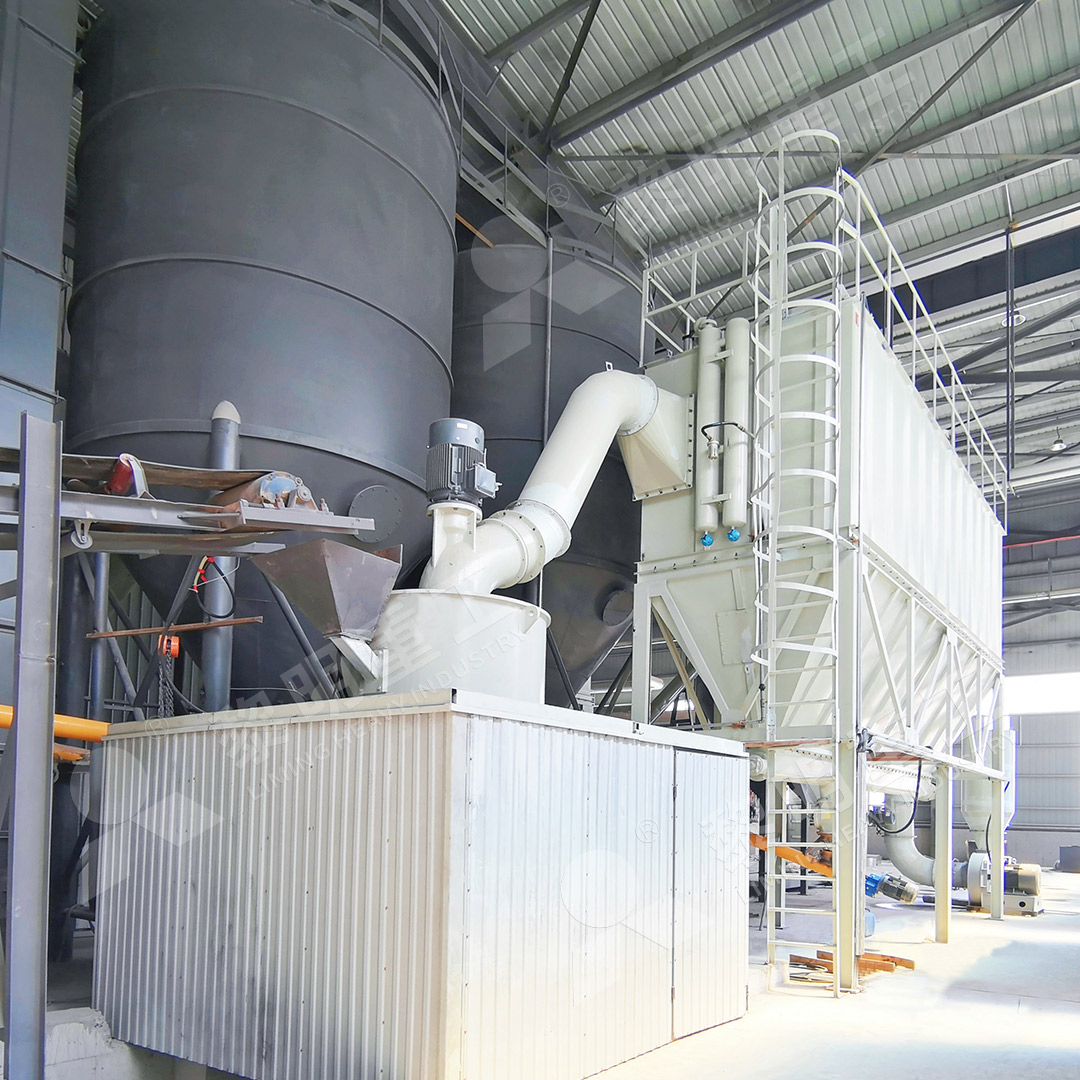
For these advanced needs, we highly recommend considering our MW Ultrafine Grinding Mill. This machine is a game-changer, designed for customers who need to make ultra-fine powder. It’s equipped with an efficient pulse dust collector and muffler, drastically reducing dust and noise for a more environmentally friendly operation. Its key advantages include higher yielding with lower energy consumption (40% higher capacity than jet mills) and adjustable fineness between 325-2500 meshes. Critically for maintenance, its brilliant design features no rolling bearings or screws in the grinding chamber, eliminating entire categories of common failure points and worries about loose screws causing catastrophic damage. Lubrication can be performed externally without shutdown, enabling continuous 24/7 production.
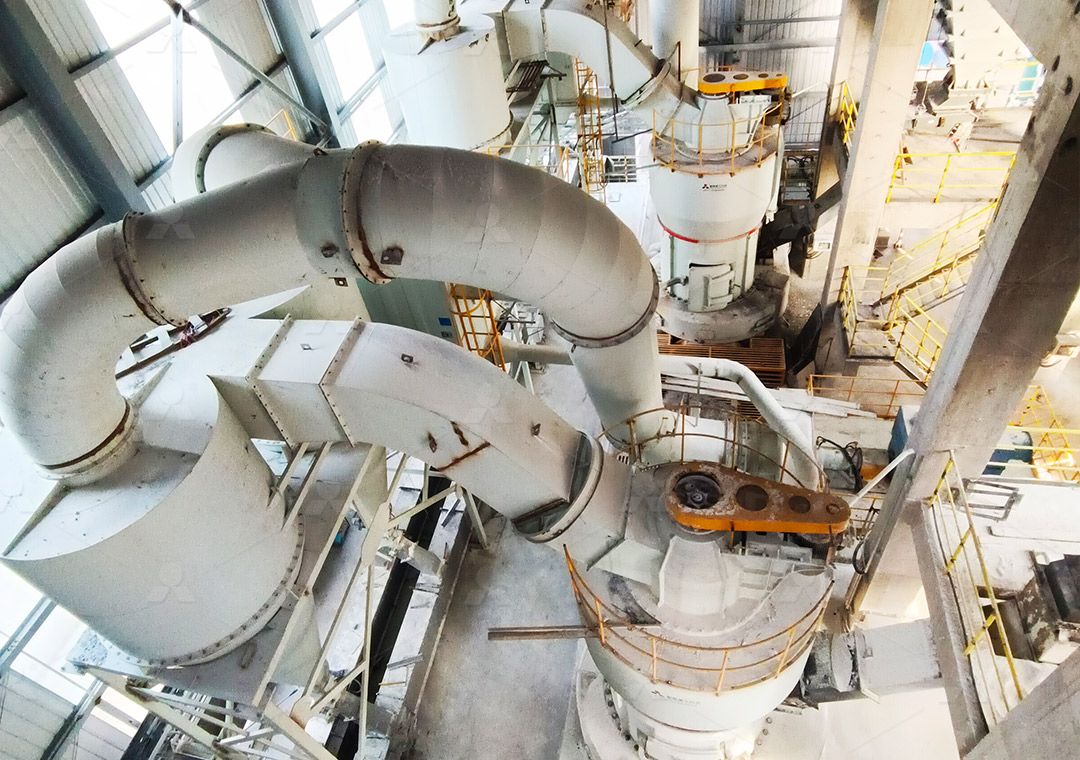
Another exceptional solution for finish grinding is the LUM Ultrafine Vertical Grinding Mill. It integrates grinding, grading, and transporting with unparalleled efficiency. Its standout feature for maintenance crews is the reversible structure. This innovative design, considering the heavy weight of grinding rollers, allows operators to easily and rapidly move the roller assembly out of the main body for inspection, liner plate replacement, and other maintenance, dramatically reducing both downtime and the physical strain on your team.
Conclusion: A Culture of Care
Adhering to this checklist will build a culture of preventive maintenance that pays massive dividends. Remember, a well-maintained mill is a safe, efficient, and profitable mill. Don’t wait for a breakdown to show your equipment some attention—schedule it, document it, and execute it with precision.