
Essential 10TPH Mill Operator Training Guide for Efficient Production
We provide a wide range of mills — including Raymond mill, trapezoidal mill, vertical mill, ultrafine mill, and ball mill, obtained ISO9001 international quality certification, EU CE certification, and Customs Union CU-TR certification. Suitable for processing minerals such as limestone, phosphate, quicklime, kaolin, talc, barite, bentonite, calcium carbonate, dolomite, coal, gypsum, clay, carbon black, slag, cement raw materials, cement clinker, and more.
The discharge range of these mills can be adjusted to meet specific processing needs, typically from 80-400 mesh, 600-3250 mesh, and can achieve the finest particle size of up to 6000 mesh(D50).
If you are looking for a reliable grinding solution to turn stone or minerals into fine powder, please feel free to contact our online customer service.
Essential 10TPH Mill Operator Training Guide for Efficient Production
Alright team, listen up. Hitting that 10-ton-per-hour target ain’t just about pushing buttons. It’s about knowing your machine, understanding the process, and avoiding those costly rookie mistakes that grind production to a halt. This guide will walk you through the core principles for running a smooth, efficient, and profitable milling operation.
1. Pre-Startup Checks: Don’t Skip ‘Em!
You wouldn’t start your car on a freezing morning without a quick glance, right? Same goes for your mill. A proper pre-flight check is your first line of defense against unplanned downtime.
- Lubrication: Check all grease points and oil levels. Is everything moving smoothly? Remember, a dry bearing is a dead bearing waiting to happen.
- Wear Parts: Visually inspect grinding rollers, rings, and liners for excessive wear. A slightly worn part replaced on schedule is cheaper than a catastrophic failure at 3 AM on a Saturday.
- Clearances & Tightness: Give a quick check for any loose bolts or fasteners. Vibration can shake things loose over time.
- Feed System: Ensure the feed hopper is clear of obstructions and the feeder is calibrated to deliver a consistent, steady flow. Inconsistent feed is the enemy of consistent product size.
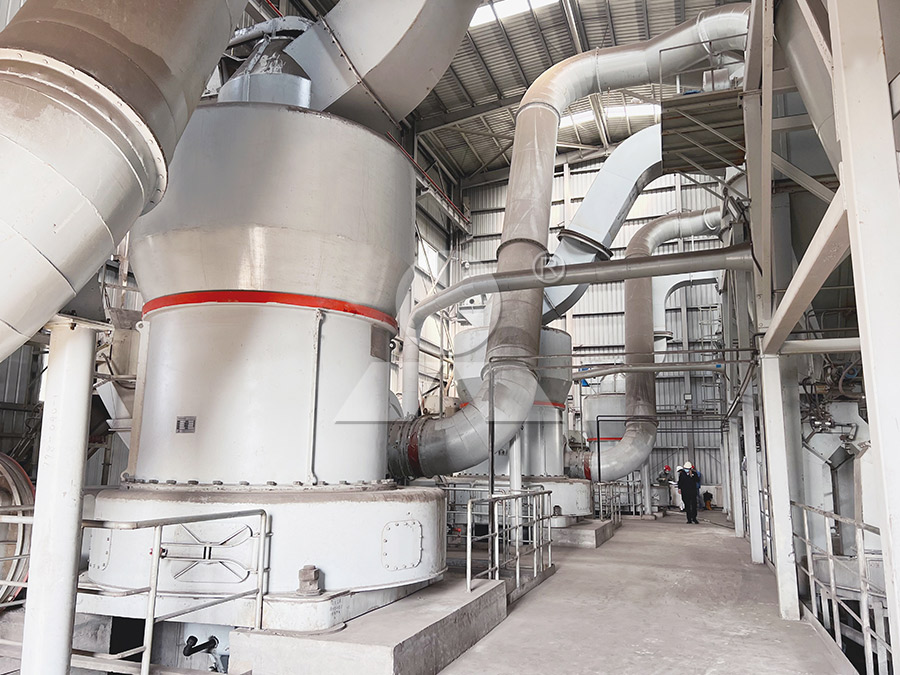
2. Mastering the Startup Sequence
There’s a right way and a wrong way to get the beast fired up. Follow the sequence.
- Start the dust collection system first. Nobody wants a cloud of fine powder covering everything.
- Engage the main drive motor.
- Begin feeding material gradually. DO NOT slam a full load into a cold, empty mill. You’ll overload the motor and shock the system. Start at a lower feed rate (around 30-40% of target) and slowly ramp up over 5-10 minutes as the mill reaches operating temperature and stability.
3. Dialing In: Operation & Optimization
This is where you earn your pay. Running at 10TPH efficiently means keeping everything in balance.
- Listen to the Machine: A seasoned operator can hear problems before they see them. A constant, steady hum is good. Grinding, knocking, or rumbling sounds are bad. Investigate immediately.
- Monitor Power Draw: Your ammeter is your best friend. A sudden spike often means a jam or overfeeding. A drop could mean you’re running empty or the material has changed.
- Product Fineness: Regularly sample and test your product. If the fineness is off, adjust the classifier speed or the grinding pressure accordingly. Remember, finer grinding usually means lower throughput, so find that sweet spot for your product specs.
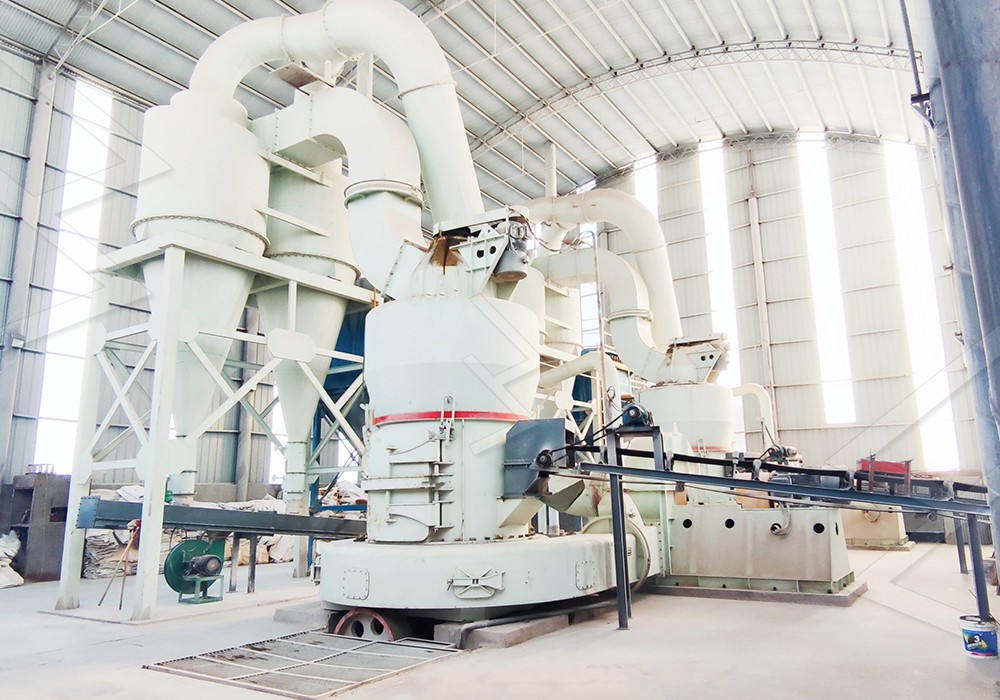
4. Equipment Spotlight: The MW Ultrafine Grinding Mill
For operations targeting high-value, ultra-fine powders between 325-2500 meshes, you need a machine built for precision. Our MW Ultrafine Grinding Mill is a workhorse in this category. Here’s why it’s a great fit for a reliable 10TPH line:
- Higher Yield, Lower Juice: Its advanced grinding curve design delivers up to 40% higher capacity than jet mills for the same power input. That means you’re hitting your 10TPH goal with lower energy costs, fattening the profit margin.
- No Internal Bearings/Screws: A genius design feature. There are no rolling bearings or screws inside the grinding chamber to fail. This drastically reduces the risk of mechanical failure and contamination, keeping your production running and your product pure.
- Eco-Friendly Operation: It comes equipped with an integrated efficient pulse dust collector and silencer, keeping the worksite clean and meeting strict environmental standards without extra hassle.
With an input size of 0-20mm and a capacity range that snugly fits our 10TPH target (0.5-25 TPH), the MW Mill provides the flexibility and reliability you need. It’s perfect for materials like limestone, calcite, talc, and cosmetics-grade powders.
5. Shutdown & Lockout/Tagout
When the shift is over, do it right.
- Stop Feeding First: Cut the material feed and let the mill run for a few minutes to clear out most of the remaining product.
- Shut Down Main Motor: Once the mill sounds empty and the power draw drops, kill the main drive.
- Keep Dust Collector Running: Let the dust collector run for another 5-10 minutes to clean out the entire air system.
- LOCK OUT AND TAG OUT: Before any inspection, cleaning, or maintenance, isolate all power sources. This isn’t a suggestion, it’s the law. Your life is worth more than a shortcut.
Conclusion: Consistency is Key
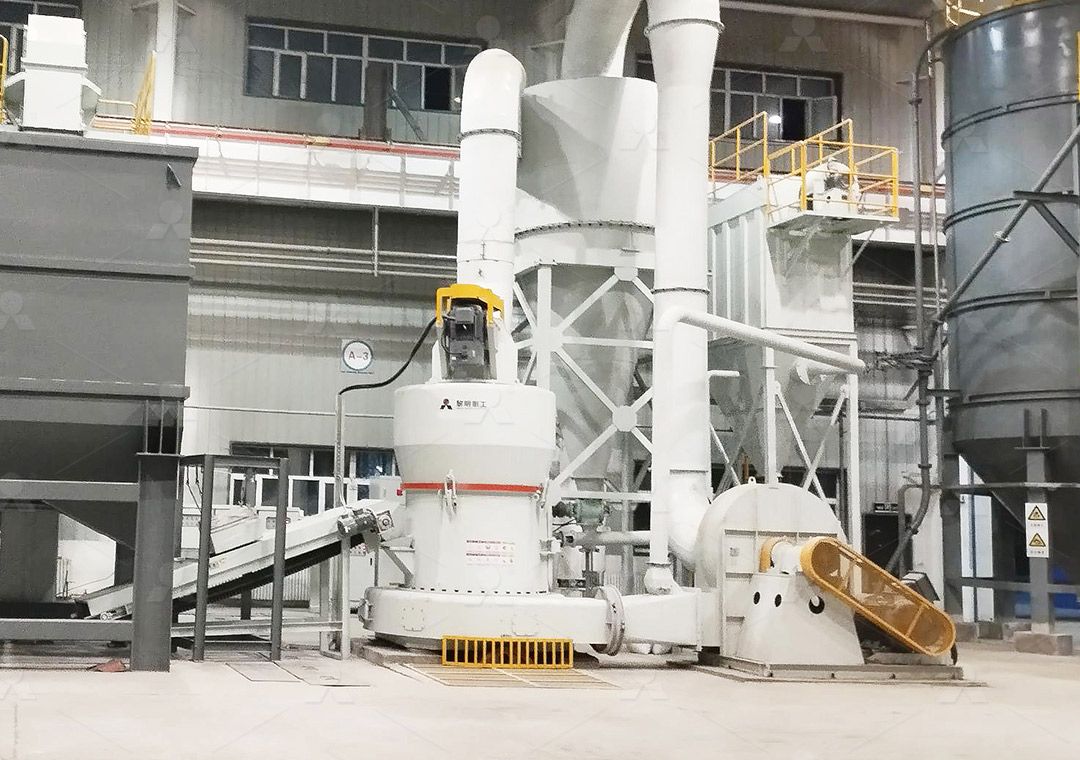
Hitting 10TPH shift after shift, day after day, isn’t about magic. It’s about discipline. It’s about those pre-checks, listening to your equipment, understanding how adjustments affect output, and investing in reliable machinery like the MW Ultrafine Grinding Mill that’s designed for efficiency and uptime. Stay sharp, follow the protocols, and you’ll keep production humming and management smiling.