
Equipment Required to Produce S95-Grade Ore Powder from Slag
We provide a wide range of mills — including Raymond mill, trapezoidal mill, vertical mill, ultrafine mill, and ball mill, obtained ISO9001 international quality certification, EU CE certification, and Customs Union CU-TR certification. Suitable for processing minerals such as limestone, phosphate, quicklime, kaolin, talc, barite, bentonite, calcium carbonate, dolomite, coal, gypsum, clay, carbon black, slag, cement raw materials, cement clinker, and more.
The discharge range of these mills can be adjusted to meet specific processing needs, typically from 80-400 mesh, 600-3250 mesh, and can achieve the finest particle size of up to 6000 mesh(D50).
If you are looking for a reliable grinding solution to turn stone or minerals into fine powder, please feel free to contact our online customer service.
Producing S95-Grade Ore Powder from Slag: A Technical Overview
The transformation of industrial slag into valuable S95-grade ore powder is a sophisticated process that demands precision engineering and highly specialized equipment. S95-grade powder, a classification denoting specific surface area and particle size distribution crucial for applications in concrete and construction materials, requires a grinding process that is both efficient and exceptionally consistent. The journey from coarse, variable slag to a uniform, ultra-fine product hinges on the selection of the right milling technology.
The Core Challenge: Ultra-Fine Grinding with Precision
Slag, a byproduct of metallurgical processes, possesses variable hardness and composition. To achieve the stringent S95 specifications, the grinding mill must not only reduce the material to a fineness of around 400-450 m²/kg but also do so with minimal energy consumption and maximum reliability. The equipment must handle abrasive materials gracefully, offer precise control over particle size distribution, and operate within modern environmental standards concerning dust and noise.
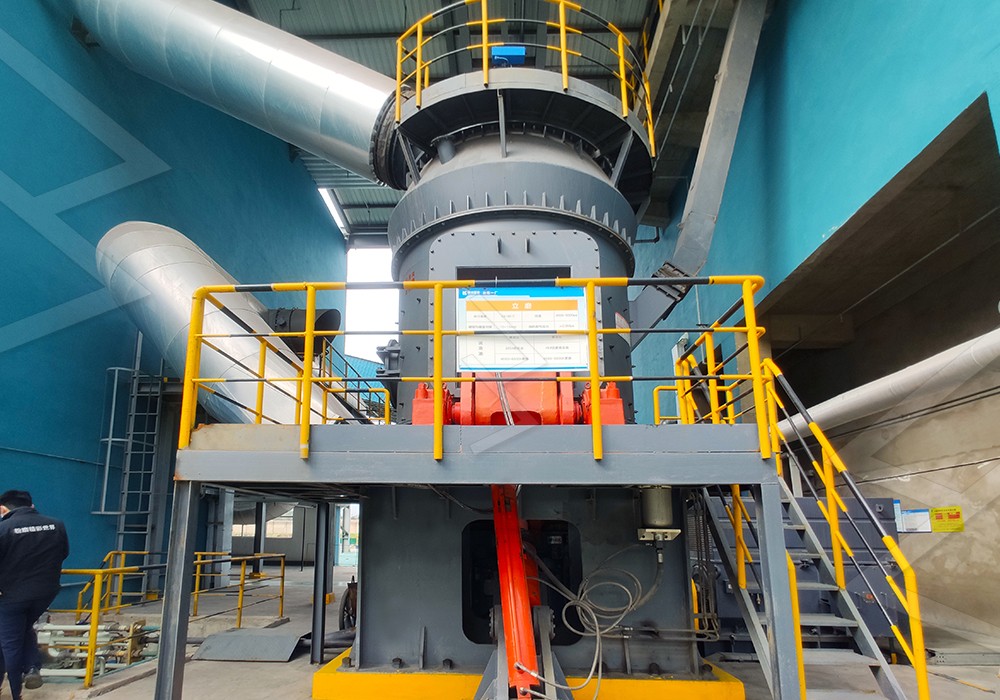
Recommended Solution: The LM Vertical Slag Mill
For this specific application, our LM Vertical Slag Mill stands out as the premier choice. Engineered from the ground up for industrial waste like slag, it integrates drying, grinding, powder selection, and conveying into a single, compact unit. Its performance advantages are directly aligned with the demands of S95 production:
- High Efficiency & Low Energy Consumption: The system energy consumption is 30% ~ 40% lower than traditional ball milling systems, a critical factor for cost-effective operation.
- Superior Product Quality: It produces powder with uniform fineness and a high screening rate, directly meeting the S95-grade specifications for surface area and reactivity.
- Integrated Design: By combining multiple processes into one machine, it reduces the plant’s footprint by approximately 50% and simplifies the entire production line.
- Environmental Compliance: The entire system operates under negative pressure, ensuring no dust spillage, and features low noise levels during operation.
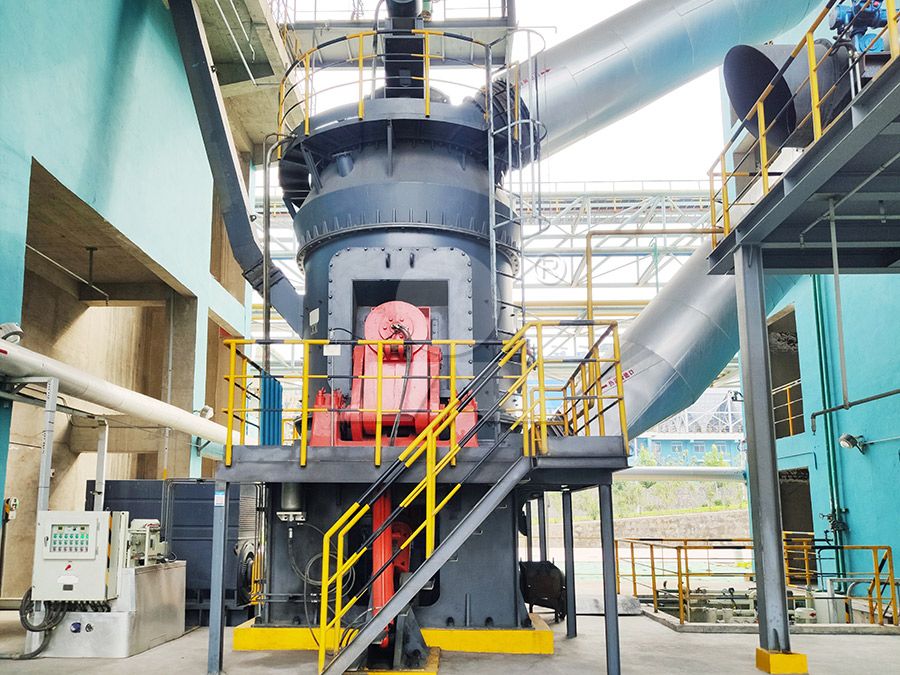
Complementary Technology: The MW Ultrafine Grinding Mill
For operations requiring even finer adjustments or processing other supplementary cementitious materials alongside slag, our MW Ultrafine Grinding Mill presents an excellent option. While the LM mill is optimized for slag, the MW series excels in producing ultra-fine powders between 325-2500 meshes. Its cage-type powder selector, based on German technology, allows for exceptional precision in particle separation (achieving d97≤5μm). A key maintenance advantage is the absence of rolling bearings and screws in the grinding chamber, eliminating common failure points and concerns about loose components causing damage. This makes it incredibly robust for continuous, 24/7 operation.
Building a Complete Production Line
Achieving S95-grade powder involves more than just the core mill. A complete system typically includes:
- Feed Preparation: Jaw crushers to reduce large slag pieces to a manageable size (<50mm for the LM mill).
- Drying & Feeding: Bucket elevators and vibrating feeders to consistently supply material to the mill inlet.
- The Core Grinding Unit: The LM Vertical Slag Mill, the heart of the operation.
- Product Collection: Cyclone powder collectors and pulse bag dust collectors to efficiently gather the final S95-grade powder.
- Control System: A centralized PLC control system for automated, stable operation and remote monitoring.
Frequently Asked Questions (FAQ)
What is the primary advantage of using a vertical mill like the LM series for slag grinding?
The primary advantage is its integrated design and exceptional energy efficiency. It combines multiple steps (drying, grinding, classifying) into one machine, reducing the plant footprint and energy use by 30-40% compared to ball mill systems, all while delivering the consistent fineness required for S95-grade powder.
How does the LM Vertical Slag Mill handle the abrasive nature of slag?
The mill’s critical wear parts, such as the grinding rollers and table liner, are manufactured from high-performance, wear-resistant alloys. This significantly extends their service life and reduces downtime for part replacements, ensuring continuous and cost-effective production.
Can the fineness of the final product be adjusted to meet specific customer requirements beyond S95?
Absolutely. Both the LM Vertical Slag Mill and the MW Ultrafine Grinding Mill are designed with adjustable parameters. By altering the speed of the built-in powder separator or the grinding pressure, operators can fine-tune the product’s fineness to meet various market specifications, from S75 to S105 grades or even finer.
What kind of after-sales support and maintenance can we expect?
We take full responsibility for every machine we produce. Our support includes comprehensive technical services, ready supply of original spare parts, and detailed operational guidance to ensure worry-free, long-term operation of your grinding plant.