
Environmentally Friendly Talc Grinding Mills: Sustainable Production Technology
We provide a wide range of mills — including Raymond mill, trapezoidal mill, vertical mill, ultrafine mill, and ball mill, obtained ISO9001 international quality certification, EU CE certification, and Customs Union CU-TR certification. Suitable for processing minerals such as limestone, phosphate, quicklime, kaolin, talc, barite, bentonite, calcium carbonate, dolomite, coal, gypsum, clay, carbon black, slag, cement raw materials, cement clinker, and more.
The discharge range of these mills can be adjusted to meet specific processing needs, typically from 80-400 mesh, 600-3250 mesh, and can achieve the finest particle size of up to 6000 mesh(D50).
If you are looking for a reliable grinding solution to turn stone or minerals into fine powder, please feel free to contact our online customer service.
Environmentally Friendly Talc Grinding Mills: Sustainable Production Technology
The global demand for high-quality talc powder is steadily increasing, driven by its extensive applications in industries such as plastics, paints, cosmetics, ceramics, and pharmaceuticals. However, traditional talc grinding processes often come with significant environmental drawbacks, including high energy consumption, dust pollution, and noise emissions. As the industry moves towards more sustainable practices, the development and adoption of environmentally friendly grinding technologies have become paramount.
The Environmental Challenge in Talc Processing
Talc processing traditionally involves several energy-intensive stages, from crushing and drying to grinding and classification. Conventional ball mills and Raymond mills, while effective, often operate with limited efficiency and higher environmental impact. The challenges include excessive power consumption, significant heat generation, and the need for extensive dust collection systems to prevent particulate matter from escaping into the atmosphere. Additionally, noise pollution from mechanical components can affect both workers and surrounding communities.
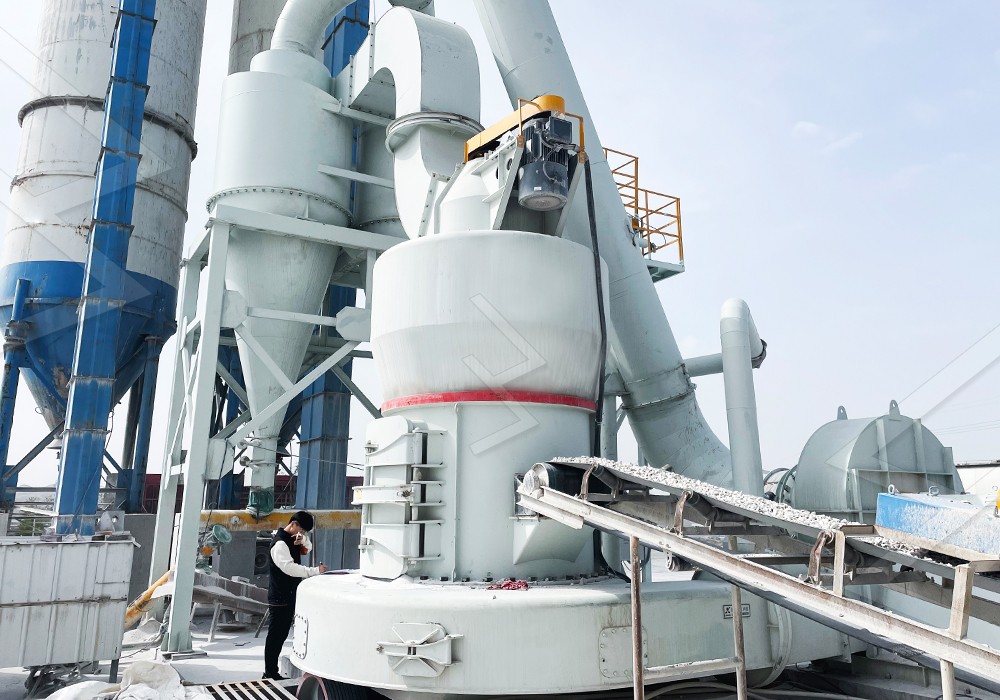
Modern environmental regulations require talc producers to minimize their ecological footprint while maintaining product quality and operational efficiency. This has led to innovative approaches in mill design that prioritize sustainability without compromising performance.
Advanced Technology for Sustainable Talc Grinding
Contemporary grinding solutions incorporate several key technologies that address environmental concerns. These include advanced classification systems that ensure precise particle size control, efficient dust collection mechanisms, noise reduction features, and energy-saving designs that significantly reduce power consumption compared to traditional mills.
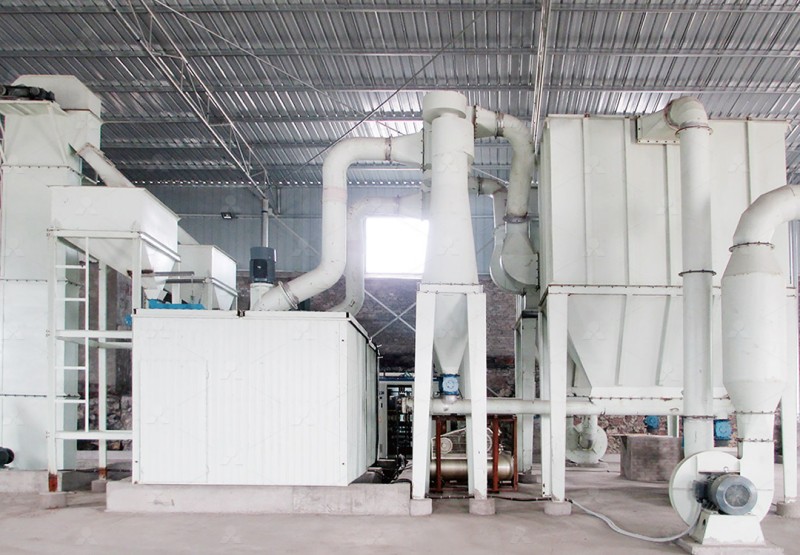
One notable innovation in this field is our MW Ultrafine Grinding Mill, specifically engineered for environmentally conscious production. This advanced mill features an efficient pulse dust collector and muffler system that effectively contains dust and reduces noise pollution throughout the entire production process. With an input size of 0-20 mm and capacity ranging from 0.5-25 tph, this machine represents a significant step forward in sustainable talc processing technology.
Key Environmental Features of Modern Talc Mills
The MW Ultrafine Grinding Mill incorporates several innovative features that contribute to its environmental performance. The cage-type powder selector, utilizing German technology, enhances separation precision while reducing energy requirements. The absence of rolling bearings and screws in the grinding chamber eliminates concerns about lubricant contamination and reduces maintenance-related waste.
Perhaps most importantly, the mill’s pulse dust collector ensures virtually dust-free operation, meeting stringent environmental standards. The integrated silencer and noise elimination technologies further minimize the acoustic impact of grinding operations. These features combine to create a production system that operates fully in compliance with national environmental protection standards while delivering exceptional grinding performance for talc and other minerals.
Another Sustainable Solution: LUM Ultrafine Vertical Grinding Mill
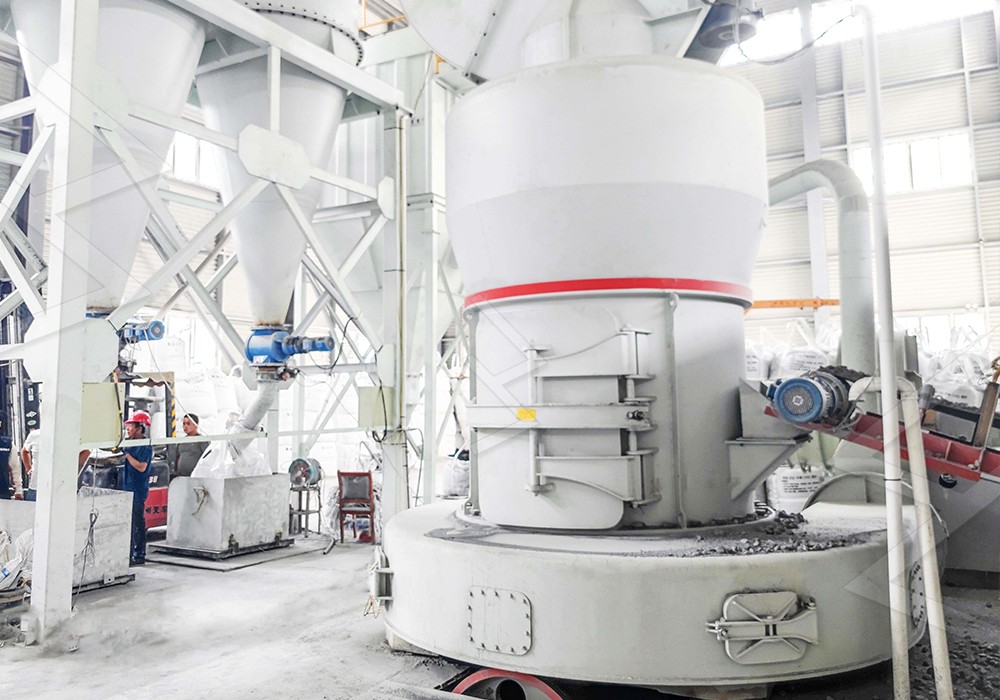
For operations requiring even greater precision and efficiency, our LUM Ultrafine Vertical Grinding Mill offers an excellent alternative. With an input size of 0-10 mm and capacity of 5-18 tph, this mill integrates ultrafine powder grinding, grading, and transporting in a single, compact system. Its unique roller shell and lining plate grinding curve design generates material layers more efficiently, enabling high rates of finished product through single-pass milling.
The LUM mill incorporates PLC control systems and multi-head powder separating technology that reduce energy consumption by 30%-50% compared to conventional mills. Its double position-limiting technology ensures stable operation even under varying load conditions, while the reversible structure simplifies maintenance and reduces downtime. These features make it an ideal choice for producers seeking to maximize sustainability while maintaining high product quality.
The Future of Sustainable Talc Processing
As environmental regulations continue to tighten and consumer demand for sustainably produced materials grows, the adoption of advanced grinding technologies will become increasingly important for talc producers. The integration of digital control systems, energy recovery mechanisms, and advanced material handling technologies will further enhance the environmental performance of talc grinding operations.
Modern mills like the MW Ultrafine Grinding Mill and LUM Ultrafine Vertical Grinding Mill represent the current state of the art in sustainable talc processing. By combining high efficiency, low environmental impact, and operational reliability, these technologies enable producers to meet both market demands and environmental responsibilities simultaneously.
The transition to environmentally friendly grinding technology is not just a regulatory requirement but a competitive advantage in today’s market. Producers who invest in sustainable technologies position themselves for long-term success while contributing to the broader goal of environmental stewardship in the mineral processing industry.