
Energy Saving Vertical Raymond Mill for Efficient Powder Grinding
We provide a wide range of mills — including Raymond mill, trapezoidal mill, vertical mill, ultrafine mill, and ball mill, obtained ISO9001 international quality certification, EU CE certification, and Customs Union CU-TR certification. Suitable for processing minerals such as limestone, phosphate, quicklime, kaolin, talc, barite, bentonite, calcium carbonate, dolomite, coal, gypsum, clay, carbon black, slag, cement raw materials, cement clinker, and more.
The discharge range of these mills can be adjusted to meet specific processing needs, typically from 80-400 mesh, 600-3250 mesh, and can achieve the finest particle size of up to 6000 mesh(D50).
If you are looking for a reliable grinding solution to turn stone or minerals into fine powder, please feel free to contact our online customer service.
Revolutionizing Powder Processing with Vertical Grinding Technology
In today’s competitive industrial landscape, manufacturers across multiple sectors are constantly seeking ways to optimize their powder processing operations. The traditional horizontal Raymond mill, while reliable, has limitations in energy efficiency and space utilization that modern vertical grinding technology effectively addresses. The evolution from conventional milling to advanced vertical systems represents a significant leap forward in powder processing technology.
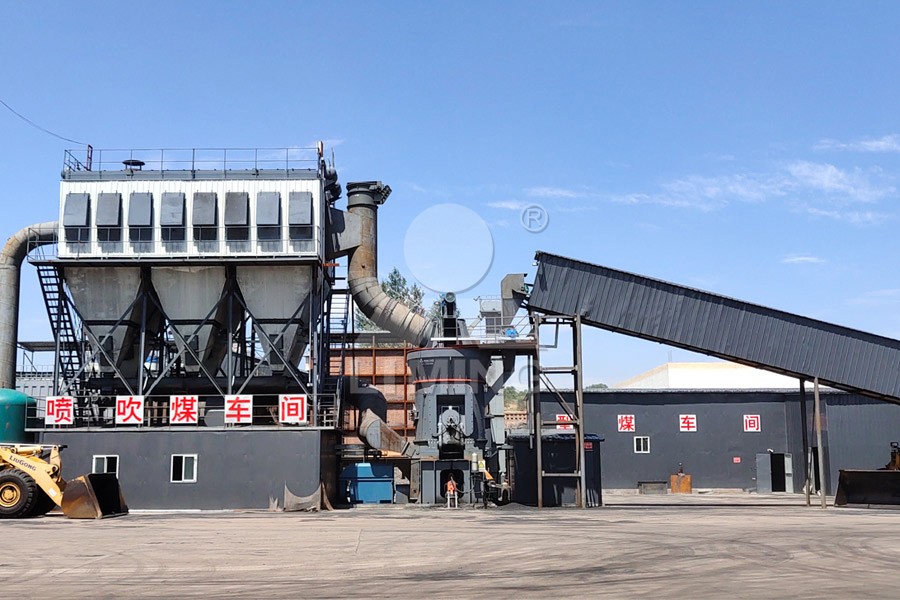
Vertical grinding mills have emerged as the superior solution for numerous applications, offering substantial advantages in energy conservation, footprint reduction, and operational efficiency. Unlike traditional ball mills that consume excessive power through friction and impact grinding, vertical mills utilize a more efficient grinding mechanism that directly translates to lower operational costs.
The Technical Superiority of Vertical Grinding Systems
Modern vertical grinding mills incorporate several innovative features that set them apart from conventional equipment. The integration of drying, grinding, classification, and conveying into a single compact unit eliminates multiple transfer points, reducing energy losses and minimizing the system’s physical footprint. This integrated approach typically reduces the occupied area by approximately 50% compared to traditional ball mill systems.
One of the most significant advancements in vertical mill technology is the implementation of advanced powder separation systems. These systems employ precision-controlled rotor vanes and sophisticated airflow management to ensure optimal particle size distribution while minimizing energy consumption. The result is consistently high-quality powder with precisely controlled fineness parameters.
Introducing the MW Ultrafine Grinding Mill: A Benchmark in Efficiency
For operations requiring ultra-fine powder production, the MW Ultrafine Grinding Mill represents the pinnacle of energy-efficient technology. This advanced system is specifically engineered for customers who need to produce ultra-fine powder with exceptional efficiency. With an input size capacity of 0-20 mm and throughput ranging from 0.5 to 25 tph, this machine delivers remarkable performance across diverse applications.
The MW Ultrafine Grinding Mill incorporates several proprietary technologies that contribute to its outstanding energy efficiency. The newly designed grinding curves of the grinding roller and ring significantly enhance grinding efficiency, achieving production capacity 40% higher than jet grinding mills and stirred grinding mills at the same fineness and power specifications. Remarkably, the system energy consumption is only 30% of comparable jet grinding mills.
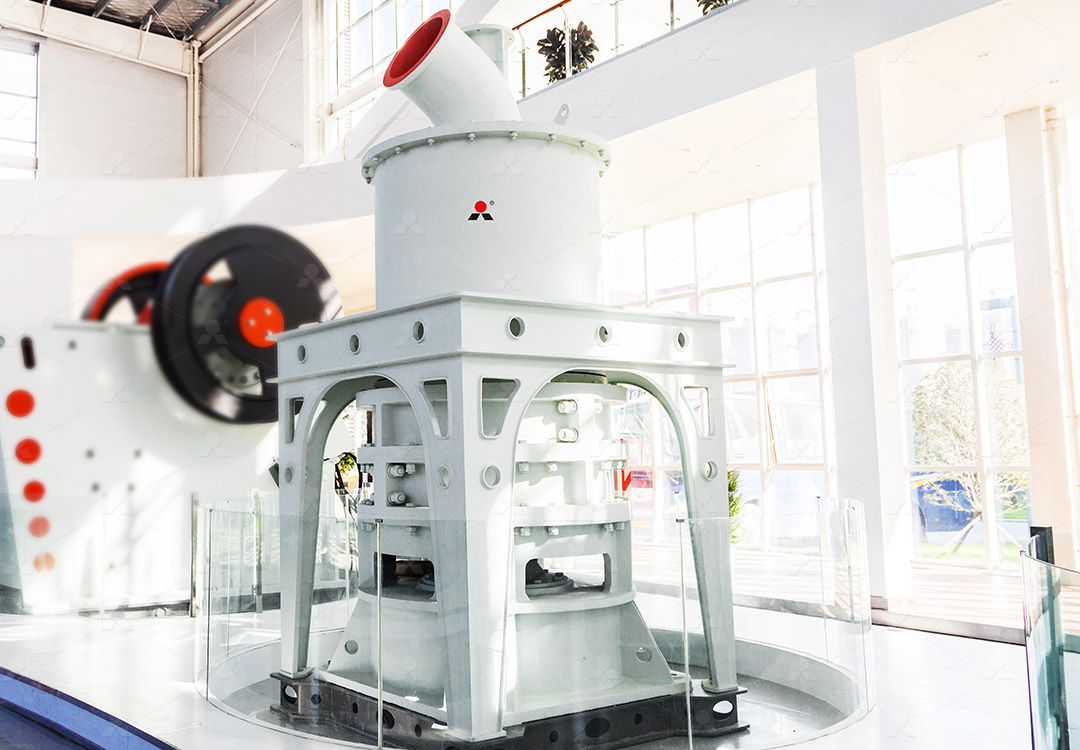
What truly sets the MW Ultrafine Grinding Mill apart is its innovative design that eliminates rolling bearings and screws within the grinding chamber. This revolutionary approach eliminates concerns about bearing damage or sealing part failures, while completely avoiding machine damage problems caused by loose screws. The external lubrication system enables continuous 24-hour operation without shutdowns for maintenance.
Environmental Compliance and Operational Excellence
Beyond pure performance metrics, modern vertical grinding mills address the increasingly important aspect of environmental responsibility. The integration of efficient pulse dust collectors and advanced muffler systems ensures that the entire production process meets stringent environmental standards without compromising operational efficiency.
The MW Ultrafine Grinding Mill’s cage-type powder selector, incorporating German technology, provides exceptional precision in powder separation. The system offers adjustable fineness between 325-2500 meshes, with the capability to achieve d97≤5μm in a single pass. This flexibility allows operators to quickly adapt to changing production requirements without sacrificing quality or efficiency.
Applications Across Industries
The versatility of modern vertical grinding mills makes them suitable for a wide range of materials including limestone, calcite, dolomite, petroleum coal, gypsum, barite, marble, talc, and various chemical industry applications. From paint and cosmetics to medicine and food additives, these mills deliver consistent performance across diverse material characteristics.
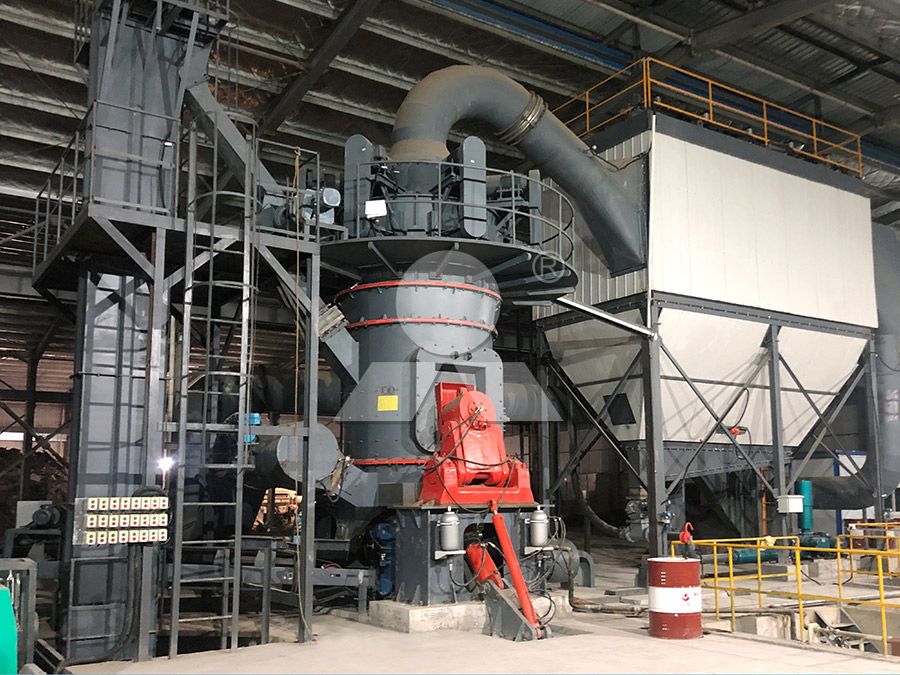
For operations prioritizing energy efficiency without compromising on product quality, the combination of vertical mill technology and advanced control systems provides an optimal solution. The digital processing capabilities ensure high precision manufacturing, while comprehensive technical support and original spare parts availability guarantee worry-free operation.
Frequently Asked Questions
What makes vertical grinding mills more energy-efficient than traditional ball mills?
Vertical mills utilize a more efficient grinding mechanism that combines compression and shear forces rather than relying primarily on impact. The integrated design reduces multiple energy transfer points, and advanced separation technology minimizes recirculation of already-sized particles.
How does the MW Ultrafine Grinding Mill achieve such fine particle sizes?
The MW mill incorporates a sophisticated cage-type powder selector with German technology that provides precise control over particle separation. The multi-head design allows customization based on specific production requirements for yield, fineness, and sieving rate.
What maintenance advantages do vertical mills offer?
The absence of rolling bearings and screws in the grinding chamber eliminates common failure points. External lubrication systems enable maintenance without shutdown, and reversible structures in some models allow easy access to grinding components for inspection and replacement.
Can vertical grinding mills handle different material hardness?
Yes, modern vertical mills like the MW Ultrafine Grinding Mill are designed to process materials with varying hardness characteristics. The hydraulic adjustment systems allow operators to modify grinding pressure to accommodate different material properties.
How do these systems address environmental concerns?
Integrated pulse dust collectors ensure no dust pollution during operation, while silencers and noise elimination rooms reduce acoustic impact. The entire system operates according to national environmental protection standards with emissions far exceeding requirements.