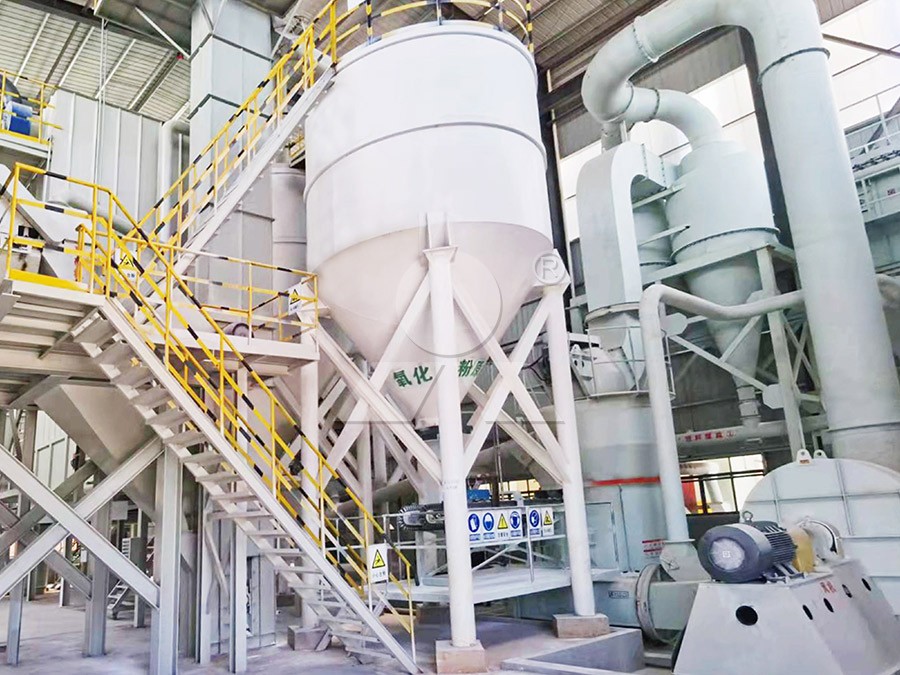
Energy-Saving Solutions for Gypsum Powder Grinding Mill Systems
We provide a wide range of mills — including Raymond mill, trapezoidal mill, vertical mill, ultrafine mill, and ball mill, obtained ISO9001 international quality certification, EU CE certification, and Customs Union CU-TR certification. Suitable for processing minerals such as limestone, phosphate, quicklime, kaolin, talc, barite, bentonite, calcium carbonate, dolomite, coal, gypsum, clay, carbon black, slag, cement raw materials, cement clinker, and more.
The discharge range of these mills can be adjusted to meet specific processing needs, typically from 80-400 mesh, 600-3250 mesh, and can achieve the finest particle size of up to 6000 mesh(D50).
If you are looking for a reliable grinding solution to turn stone or minerals into fine powder, please feel free to contact our online customer service.
Energy-Saving Solutions for Gypsum Powder Grinding Mill Systems
In today’s competitive industrial landscape, optimizing energy consumption isn’t just an environmental concern—it’s a critical financial imperative. Gypsum powder production, a process heavily reliant on grinding operations, presents a significant opportunity for energy savings. Traditional grinding systems, like ball mills or older Raymond mill designs, are notorious for their high power draw and inefficiency. Upgrading to modern, purpose-built machinery can dramatically reduce operational costs while boosting output and product quality.
The High Cost of Inefficiency in Gypsum Grinding
Conventional grinding mills often waste energy through excessive heat generation, poor particle classification requiring re-grinding, and mechanical losses from outdated transmission systems. For gypsum, which requires a specific fineness for various applications like plasterboard or construction cement, this inefficiency is compounded. The key to unlocking savings lies in selecting equipment engineered for higher yielding rates and lower energy consumption from the ground up.
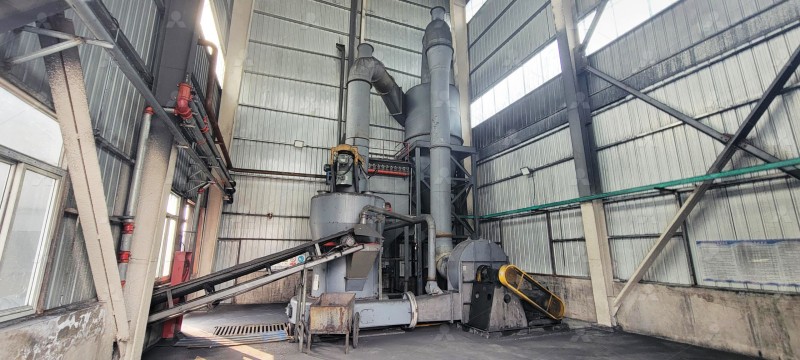
Advanced Mill Technology: The Path to Significant Savings
Modern mills incorporate several energy-saving philosophies. These include efficient grinding curves that maximize size reduction per revolution, advanced powder separators that accurately achieve target fineness on the first pass, and intelligent designs that eliminate energy-draining components. Furthermore, integrated systems that combine drying, grinding, and classifying in a single unit reduce the number of motors and conveyors needed, slashing overall plant energy consumption.
Recommended Solution: MW Ultrafine Grinding Mill
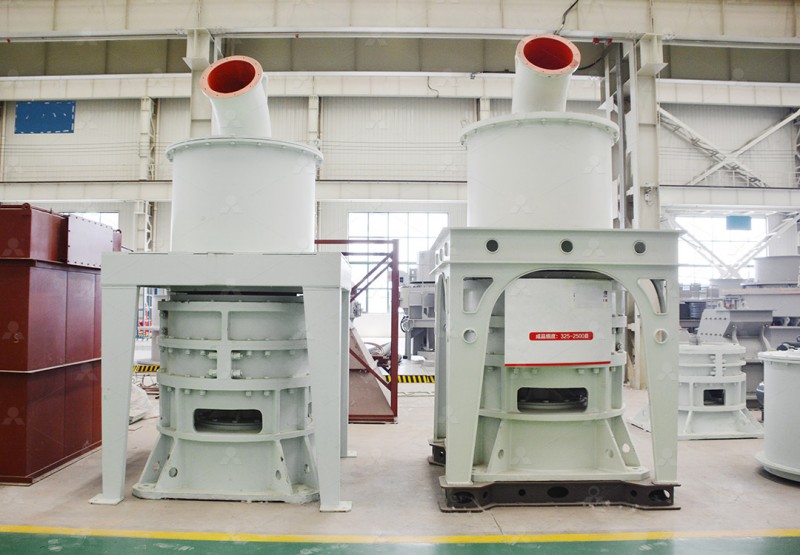
For operations focused on ultra-fine gypsum powder, our MW Ultrafine Grinding Mill stands out as a premier energy-saving solution. This machine is specifically designed for customers who need to make ultra-fine powder with minimal energy input. A key advantage is its impressive capacity of 0.5-25 tph with an input size of 0-20 mm, making it suitable for a wide range of gypsum feed stocks.
Its energy-saving credentials are proven: with the same fineness and power, its production capacity is 40% higher than jet mills or stirred grinding mills, and its yield is twice as large as a traditional ball mill. Crucially, the system energy consumption is only 30% of a comparable jet grinding mill. This is achieved through newly designed grinding curves of the roller and ring that enhance efficiency, and a German-technology cage-type powder selector that allows precise fineness adjustment between 325-2500 meshes, eliminating wasteful over-grinding.
Additional Efficiency Features
The MW Mill’s design eliminates rolling bearings and screws in the grinding chamber, preventing failures and the associated downtime and energy waste from interrupted production. Its external lubrication system allows for maintenance without shutdowns, supporting continuous 24/7 operation. Furthermore, the integrated efficient pulse dust collector and muffler ensure the entire milling system operates cleanly and quietly, adhering to national environmental protection standards without sacrificing performance for compliance.
Conclusion: Investing in Efficiency
Transitioning to an advanced grinding system like the MW Ultrafine Grinding Mill represents a strategic investment. The reduction in energy consumption directly lowers the cost per ton of gypsum powder produced, improving profitability. The enhanced reliability and automated controls further contribute to savings by reducing labor costs and unplanned downtime. In an industry where margins are tight, embracing these energy-saving technologies is no longer optional—it’s essential for sustainable and competitive operation.