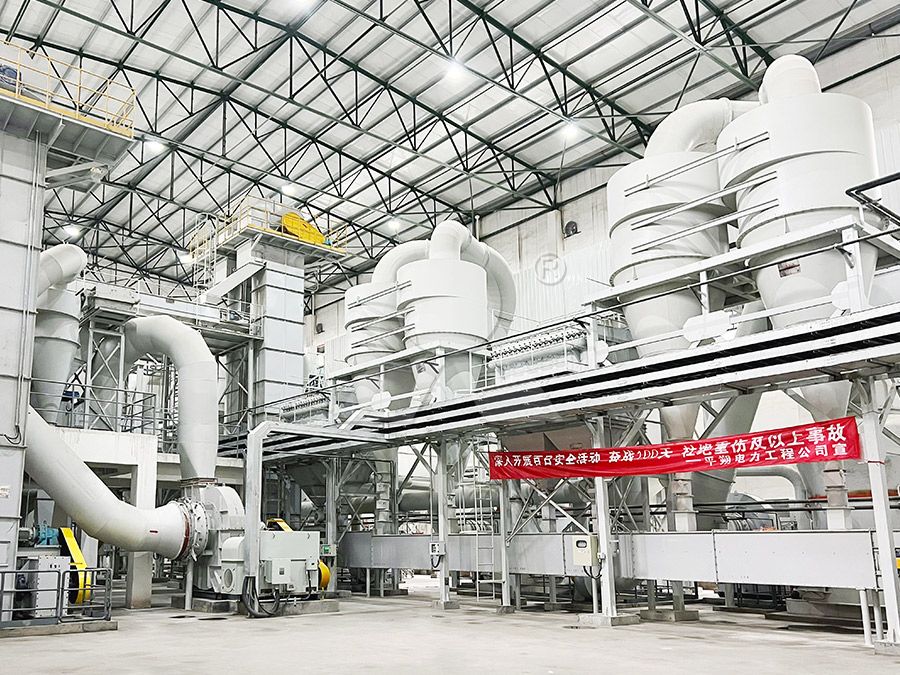
Energy-Saving Kaolin Raymond Mill: Reduce Costs and Improve Efficiency
We provide a wide range of mills — including Raymond mill, trapezoidal mill, vertical mill, ultrafine mill, and ball mill, obtained ISO9001 international quality certification, EU CE certification, and Customs Union CU-TR certification. Suitable for processing minerals such as limestone, phosphate, quicklime, kaolin, talc, barite, bentonite, calcium carbonate, dolomite, coal, gypsum, clay, carbon black, slag, cement raw materials, cement clinker, and more.
The discharge range of these mills can be adjusted to meet specific processing needs, typically from 80-400 mesh, 600-3250 mesh, and can achieve the finest particle size of up to 6000 mesh(D50).
If you are looking for a reliable grinding solution to turn stone or minerals into fine powder, please feel free to contact our online customer service.
Energy-Saving Kaolin Raymond Mill: Reduce Costs and Improve Efficiency
In today’s competitive industrial landscape, maximizing efficiency and minimizing operational costs are paramount for any kaolin processing operation. Traditional grinding equipment often comes with high energy consumption, significant maintenance downtime, and environmental concerns. However, advancements in milling technology, particularly in Raymond Mill systems, are providing compelling solutions to these challenges.
The Kaolin Grinding Challenge
Kaolin, or china clay, is a soft white clay essential in numerous industries, from paper and ceramics to paints and cosmetics. Achieving the desired fineness and quality while controlling costs is a constant balancing act. Older mill designs can be energy-intensive, leading to high electricity bills, and their mechanical complexity often results in frequent maintenance interruptions, driving up operational expenses.

Key Features of Modern Energy-Saving Mills
Modern iterations of the Raymond Mill principle have integrated several energy-saving and efficiency-boosting features. These include optimized grinding curves for roller and ring assemblies, advanced powder classification systems for precise particle size control, and external lubrication systems that allow for maintenance without shutdowns.
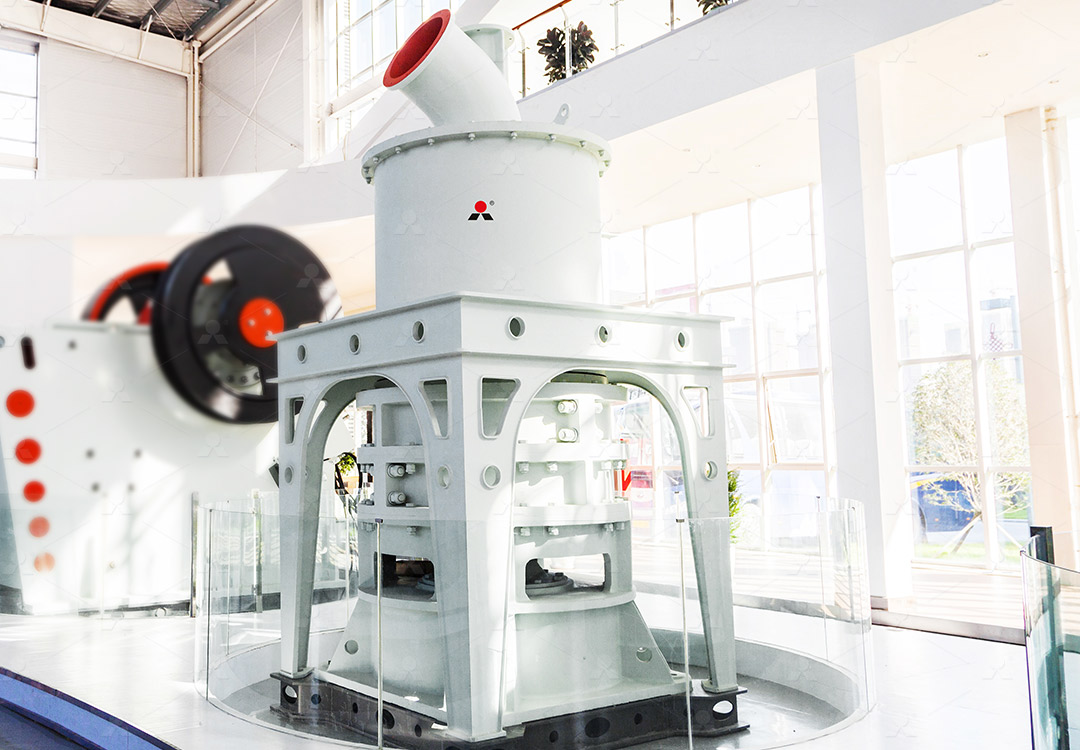
For operations requiring ultra-fine kaolin powder, stepping beyond traditional Raymond Mills can yield even greater benefits. Our MW Ultrafine Grinding Mill is engineered specifically for such demanding applications. It handles an input size of 0-20 mm with a capacity ranging from 0.5 to 25 tph. A standout feature is its higher yielding and lower energy consumption; it offers production capacity 40% higher than jet mills with system energy consumption only 30% of them. Its cage-type powder selector, incorporating German technology, allows adjustable fineness between 325-2500 meshes, ensuring you get the exact product specification you need. Furthermore, the absence of rolling bearings and screws in the grinding chamber eliminates common failure points, significantly enhancing operational reliability.
Beyond Grinding: The Total Cost of Ownership
True efficiency isn’t just about low power draw during operation. It encompasses the entire lifecycle of the equipment. This includes easy access for maintenance, the availability of spare parts, and built-in systems that mitigate environmental impact. A mill equipped with an efficient pulse dust collector and muffler, for example, not only protects workers’ health but also ensures compliance with stringent environmental regulations, avoiding potential fines.
For high-volume production needs where vertical integration is key, our LM Vertical Grinding Mill presents an excellent solution. It integrates crushing, drying, grinding, classifying, and conveying into a single, compact unit. With a massive capacity range of 3-340 tph, it can process input sizes up to 70 mm. Its greatest advantage is its incredibly low comprehensive investment and operating costs. It reduces the occupational area by 50% compared to ball mill systems and saves 30%-40% in energy consumption. The short grinding time and minimal iron content ensure the high whiteness and purity of the kaolin product are maintained.
Conclusion: A Smart Investment for the Future
Upgrading to a modern, energy-efficient grinding system is not merely an expense; it’s a strategic investment. The reduction in energy costs, decreased downtime, lower maintenance requirements, and improved product quality contribute to a significantly lower total cost of ownership and a stronger bottom line. By choosing advanced milling technology designed for performance and sustainability, kaolin processors can achieve a decisive competitive advantage.