
Energy-Saving & High-Efficiency Ball Mill: Advanced Grinding Solutions from China
We provide a wide range of mills — including Raymond mill, trapezoidal mill, vertical mill, ultrafine mill, and ball mill, obtained ISO9001 international quality certification, EU CE certification, and Customs Union CU-TR certification. Suitable for processing minerals such as limestone, phosphate, quicklime, kaolin, talc, barite, bentonite, calcium carbonate, dolomite, coal, gypsum, clay, carbon black, slag, cement raw materials, cement clinker, and more.
The discharge range of these mills can be adjusted to meet specific processing needs, typically from 80-400 mesh, 600-3250 mesh, and can achieve the finest particle size of up to 6000 mesh(D50).
If you are looking for a reliable grinding solution to turn stone or minerals into fine powder, please feel free to contact our online customer service.
Energy-Saving & High-Efficiency Ball Mill: Advanced Grinding Solutions from China
In today’s competitive industrial landscape, optimizing grinding processes is crucial for profitability and sustainability. While traditional ball mills have served industries for decades, their high energy consumption and operational costs have driven the need for more advanced solutions. Chinese engineering has risen to this challenge, developing a new generation of grinding equipment that combines proven reliability with cutting-edge efficiency.
The Evolution of Grinding Technology
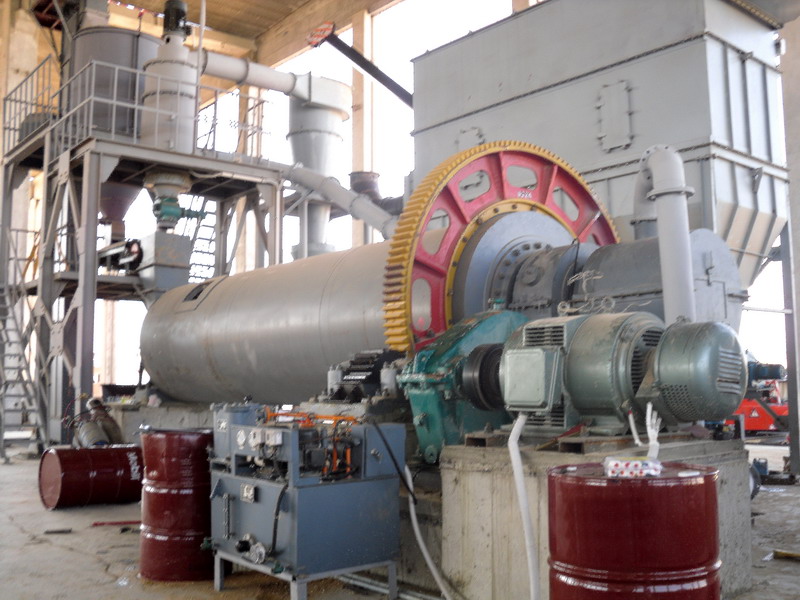
Grinding operations typically account for a significant portion of a plant’s energy budget. Conventional ball mills, while robust, often operate with energy efficiency below 10%, meaning over 90% of input energy is wasted as heat and noise. Modern designs address these limitations through innovative engineering that reduces power consumption while maintaining or even increasing throughput capacity.
Key Advantages of Advanced Ball Mills
Contemporary ball mill designs from leading Chinese manufacturers incorporate several critical improvements. These include optimized rotational speeds that maximize impact efficiency, advanced lining materials that reduce wear and maintenance downtime, and intelligent control systems that automatically adjust operational parameters based on feed material characteristics. The result is equipment that delivers consistent particle size distribution with significantly reduced specific energy consumption—typically 30-40% lower than conventional designs.
Beyond Traditional Ball Milling: Specialized Applications
While ball mills remain essential for many applications, certain materials and fineness requirements benefit from specialized equipment. For ultra-fine powder production needs, we particularly recommend our MW Ultrafine Grinding Mill, which represents a significant technological leap forward.
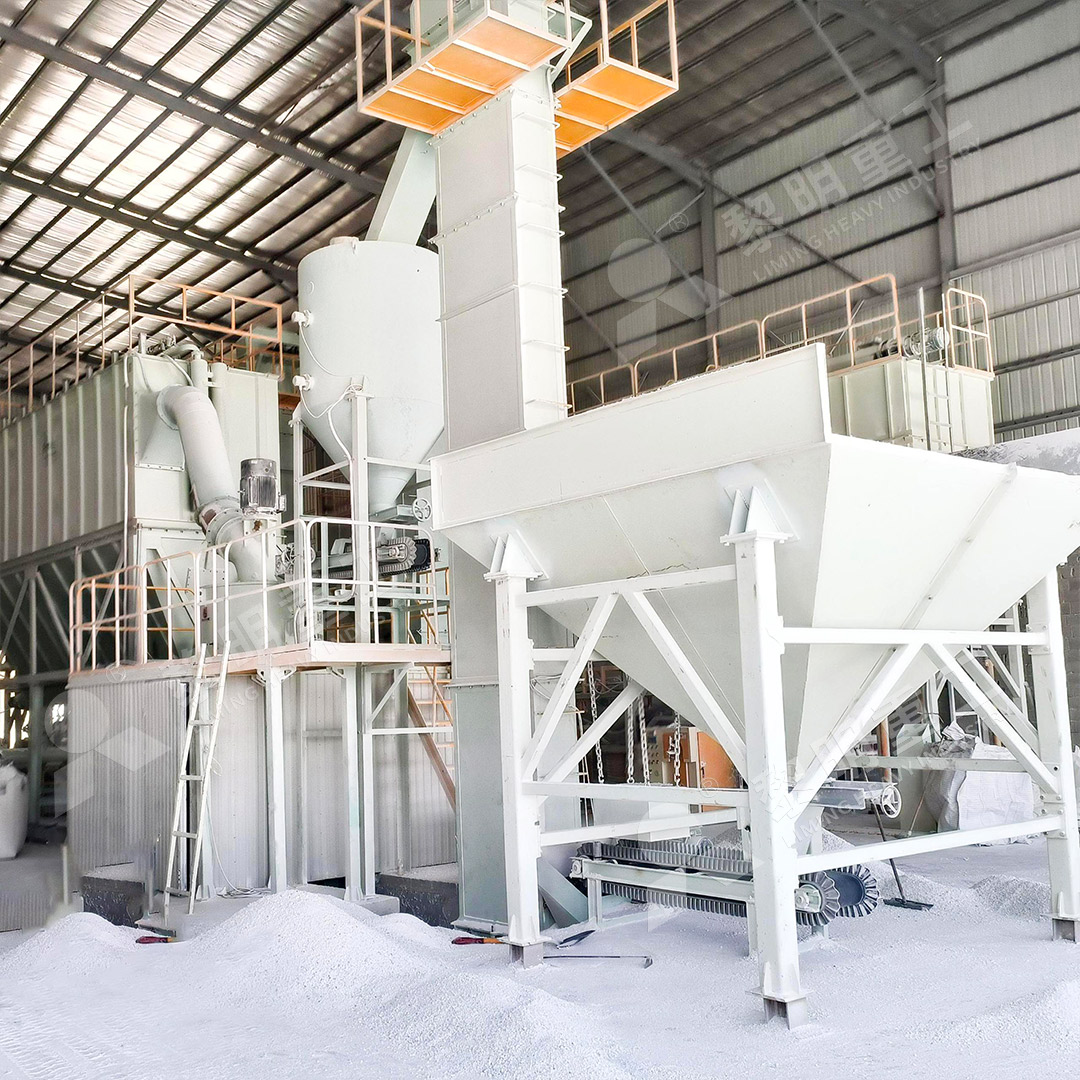
The MW Ultrafine Grinding Mill (Input Size: 0-20 mm, Capacity: 0.5-25 tph) is engineered for customers requiring ultra-fine powders. This advanced system features several proprietary technologies that set it apart from conventional equipment. Its innovative design eliminates rolling bearings and screws within the grinding chamber, virtually eliminating concerns about bearing damage or machine failure due to loose fasteners. The external lubrication system allows for maintenance without shutdown, enabling continuous 24/7 operation that dramatically improves productivity.
Perhaps most impressively, the MW Mill achieves 40% higher production capacity compared to jet mills and stirred mills at the same fineness and power levels, while consuming only 30% of the energy of jet milling systems. Its German-designed cage-type powder selector ensures precise separation, allowing product fineness adjustment between 325-2500 meshes with exceptional precision (d97≤5μm achievable in a single pass).
Integrated Environmental Solutions
Modern grinding equipment must address environmental concerns alongside performance metrics. Advanced mills now incorporate efficient pulse dust collectors and comprehensive muffling systems that minimize both particulate emissions and noise pollution. These systems operate fully within national environmental protection standards, ensuring compliance while maintaining operational efficiency. The completely sealed negative-pressure design prevents dust leakage throughout the grinding process, creating cleaner, safer working environments.
Digital Precision and Reliability
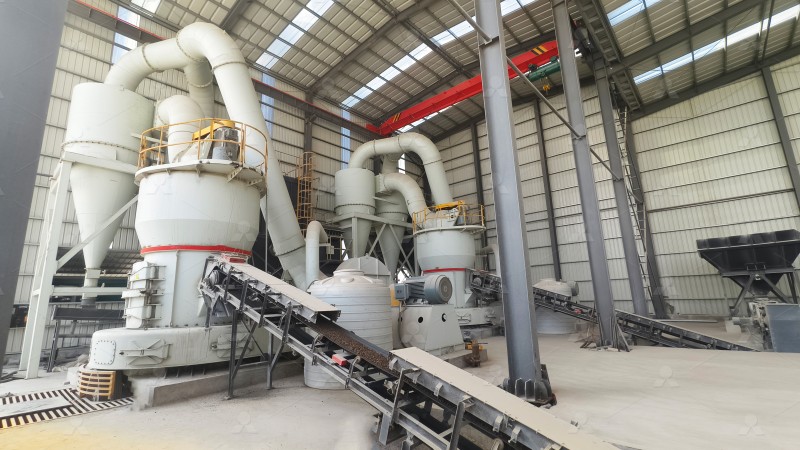
Today’s most advanced grinding mills benefit from digital manufacturing technologies that ensure exceptional precision. Numerical control machine tools handle all critical manufacturing processes—from steel plate cutting, bending, and planing to milling and paint spraying—resulting in consistently high machining accuracy, particularly for core components. This manufacturing precision translates to superior operational reliability and longer service life.
Comprehensive Support Ecosystem
Leading Chinese manufacturers now provide complete support packages that extend far beyond equipment supply. With businesses covering both production and sales, they take full responsibility for every machine produced. Customers receive comprehensive technical services and guaranteed access to original spare parts, ensuring worry-free operation throughout the equipment’s lifecycle. This integrated approach minimizes downtime and maximizes return on investment.
Conclusion
The evolution of grinding technology has entered an exciting phase where energy efficiency, environmental responsibility, and operational excellence converge. Chinese engineering continues to lead this transformation with innovative designs like the advanced ball mill and specialized equipment such as the MW Ultrafine Grinding Mill. These solutions represent not just improved equipment, but comprehensive approaches to mineral processing that address the full spectrum of operational, economic, and environmental challenges facing modern industry.