
Energy-Saving and Consumption-Reducing Technologies for Lime Kiln Coal Mills
We provide a wide range of mills — including Raymond mill, trapezoidal mill, vertical mill, ultrafine mill, and ball mill, obtained ISO9001 international quality certification, EU CE certification, and Customs Union CU-TR certification. Suitable for processing minerals such as limestone, phosphate, quicklime, kaolin, talc, barite, bentonite, calcium carbonate, dolomite, coal, gypsum, clay, carbon black, slag, cement raw materials, cement clinker, and more.
The discharge range of these mills can be adjusted to meet specific processing needs, typically from 80-400 mesh, 600-3250 mesh, and can achieve the finest particle size of up to 6000 mesh(D50).
If you are looking for a reliable grinding solution to turn stone or minerals into fine powder, please feel free to contact our online customer service.
Energy-Saving and Consumption-Reducing Technologies for Lime Kiln Coal Mills
The lime production industry is under increasing pressure to optimize energy efficiency and reduce operational costs, particularly within the coal grinding circuits that feed kilns. The pulverization process is notoriously energy-intensive, often representing a significant portion of a plant’s total power consumption. Advancements in grinding technology are therefore critical for operators seeking to enhance profitability while meeting stricter environmental regulations. This article explores key technological strategies for achieving these goals.
The Critical Role of Efficient Pulverization
An inefficient coal mill directly impacts kiln combustion efficiency, leading to higher fuel consumption, inconsistent product quality, and increased emissions. Modern grinding systems address these challenges through intelligent design focused on lower specific energy consumption (kWh/t), reduced wear, and integrated environmental controls. The goal is to achieve a consistent, optimally sized powder with minimal energy input.
Key Technologies for Enhanced Efficiency
Several core technological innovations are driving efficiency in contemporary coal milling:
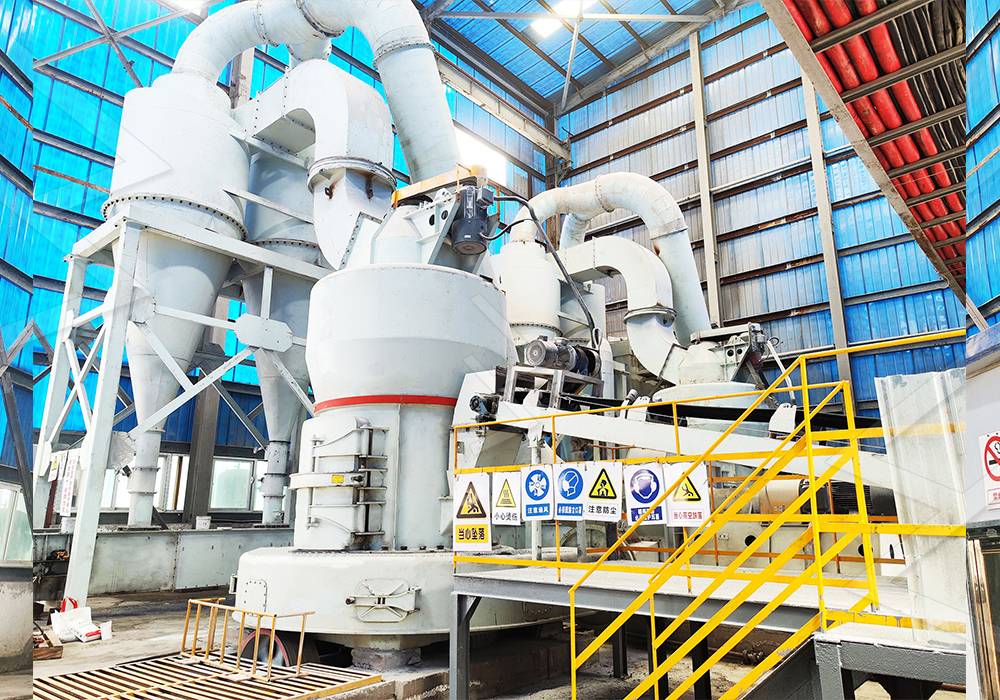
- Advanced Grinding Curves: Precisely engineered profiles for grinding rollers and rings maximize the grinding efficiency, transferring more energy into size reduction rather than friction and heat.
- Intelligent Material Bed Grinding: Utilizing a bed of material between the roller and table for inter-particle comminution is far more efficient than direct impact crushing.
- High-Precision Classifiers: Advanced cage-type or rotor separators ensure only product that meets the desired fineness leaves the mill, eliminating the energy waste of over-grinding coarse particles that are returned.
- Integrated Drying: Using kiln exhaust gases within the mill body to dry raw coal simultaneously with grinding eliminates the need for a separate dryer unit.
- Dilute Oil Lubrication Systems: These systems, a significant upgrade over traditional grease lubrication, reduce friction in critical components, lower operating temperatures, and extend maintenance intervals.
Product Spotlight: The MW Ultrafine Grinding Mill
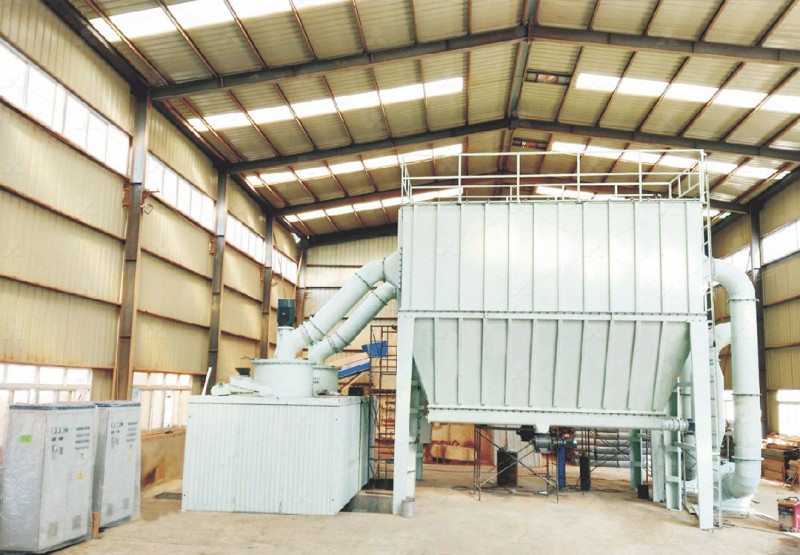
For operations requiring very fine and consistent pulverized coal for specialized combustion applications, the MW Ultrafine Grinding Mill presents an ideal solution. This mill is engineered for customers who need to make ultra-fine powder with superior efficiency. It is equipped with an efficient pulse dust collector and muffler, ensuring minimal dust and noise pollution for a fully environmentally conscious production process.
Key efficiency features of the MW Mill include its newly designed grinding curves, which enhance grinding efficiency to the point where, with the same fineness and power, its production capacity is 40% higher than jet mills and double that of ball mills, while system energy consumption is just 30% of a jet mill. Its German-technology, cage-type powder selector allows precise fineness adjustment between 325-2500 meshes. A critical design advantage is the absence of rolling bearings and screws in the grinding chamber, eliminating common failure points and enabling external lubrication without shutdown for continuous 24/7 operation.
Beyond Grinding: Holistic System Optimization
True energy savings extend beyond the mill itself. Optimizing the entire system—from feed consistency using precision vibratory feeders to product conveyance with energy-efficient fans—is essential. Furthermore, implementing expert automation systems allows for real-time adjustment of mill parameters like grinding pressure and classifier speed based on feed rate and coal characteristics, ensuring the mill always operates at its peak efficiency point.
Frequently Asked Questions (FAQ)
What is the single biggest factor affecting my coal mill’s energy consumption?
The classifier’s efficiency is paramount. An inefficient classifier allows coarse particles into the product stream, forcing the kiln to burn inconsistently, or returns an excessive amount of material, causing the mill to overwork and waste energy re-grinding already fine material.
Can newer mills handle high-moisture coals effectively?
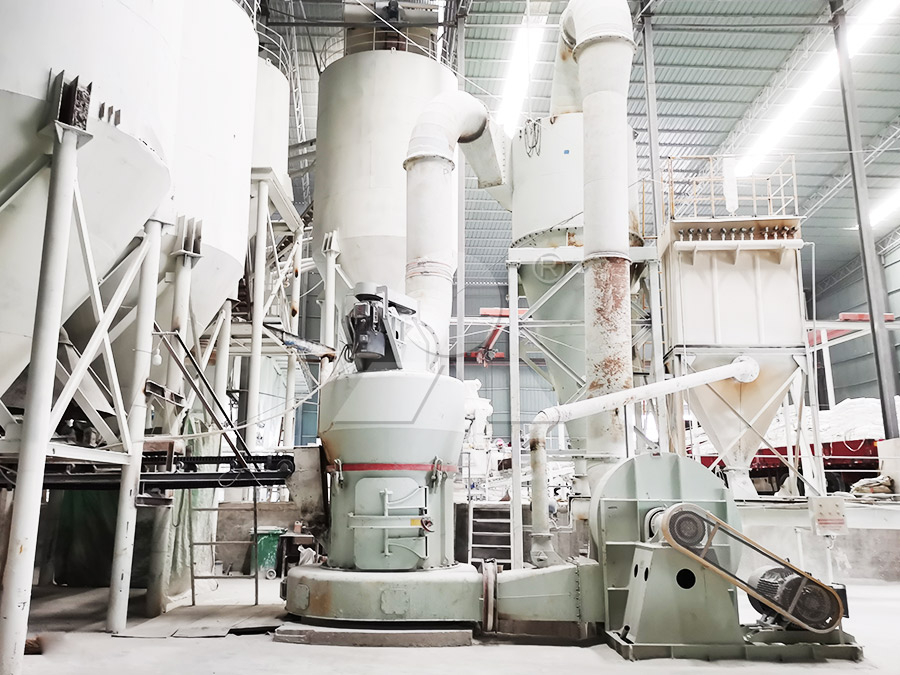
Yes, modern vertical roller mills (VRMs) like the LM Vertical Coal Mill are designed with integrated drying capabilities. They can effectively utilize hot gases (often from the kiln exhaust) to dry moisture contents of up to 15-20% within the grinding chamber simultaneously with the grinding process.
How do modern mills contribute to environmental compliance?
They contribute significantly through two main avenues: 1) Reduced Power Draw: Lower energy consumption directly reduces the carbon footprint associated with electricity generation. 2) Integrated Pollution Control: Mills are now designed as negative-pressure systems with high-efficiency pulse jet baghouse collectors, ensuring no dust spillage and capturing over 99.9% of particulate matter.
Are the maintenance costs for these advanced mills higher?
Quite the opposite. While the technology is more advanced, designs focus on reliability and maintainability. Features like external lubrication systems, hydraulic roller swing-out mechanisms for easy access, and wear-resistant alloy rollers and tables dramatically reduce downtime and the frequency of maintenance interventions, leading to lower overall operating costs.