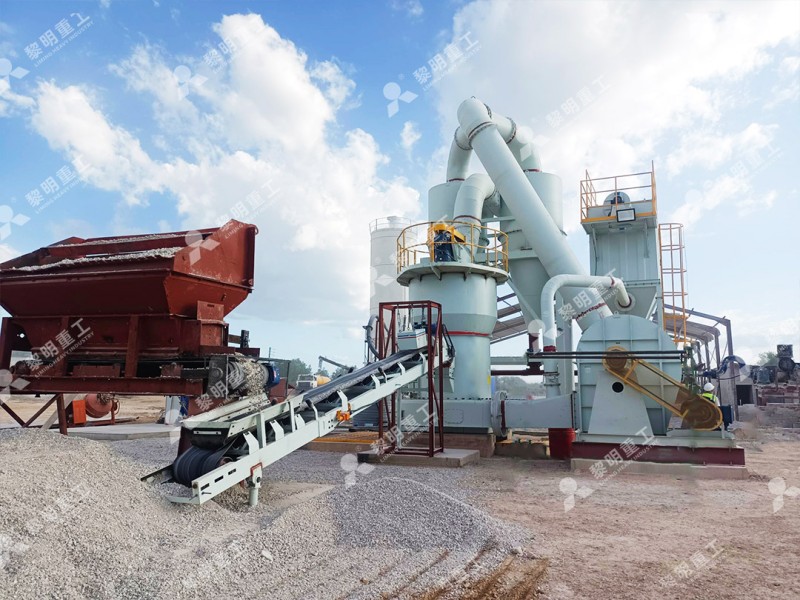
Energy Consumption Analysis of Vertical Roller Mills for Pulverized Coal in Casting Production
We provide a wide range of mills — including Raymond mill, trapezoidal mill, vertical mill, ultrafine mill, and ball mill, obtained ISO9001 international quality certification, EU CE certification, and Customs Union CU-TR certification. Suitable for processing minerals such as limestone, phosphate, quicklime, kaolin, talc, barite, bentonite, calcium carbonate, dolomite, coal, gypsum, clay, carbon black, slag, cement raw materials, cement clinker, and more.
The discharge range of these mills can be adjusted to meet specific processing needs, typically from 80-400 mesh, 600-3250 mesh, and can achieve the finest particle size of up to 6000 mesh(D50).
If you are looking for a reliable grinding solution to turn stone or minerals into fine powder, please feel free to contact our online customer service.
Energy Consumption Analysis of Vertical Roller Mills for Pulverized Coal in Casting Production
In modern casting production facilities, the pulverization of coal into fine powder is a critical and energy-intensive process. The efficiency of this grinding operation directly impacts overall energy costs, product quality, and environmental footprint. Traditional grinding solutions, like ball mills, often suffer from high specific energy consumption and significant heat generation, which can be detrimental to both operational economics and material properties.
Vertical Roller Mills (VRMs) have emerged as a technologically superior alternative, offering a paradigm shift in how foundries approach coal preparation. Their design integrates grinding, drying, classification, and material conveyance into a single, compact unit. This integration is key to their energy efficiency. By utilizing the principle of material bed compression between rollers and a rotating table, VRMs achieve pulverization with considerably lower energy input compared to the impact and attrition mechanisms dominant in ball mills. Studies and operational data consistently show that VRMs can reduce energy consumption for coal grinding by 30% to 50%.
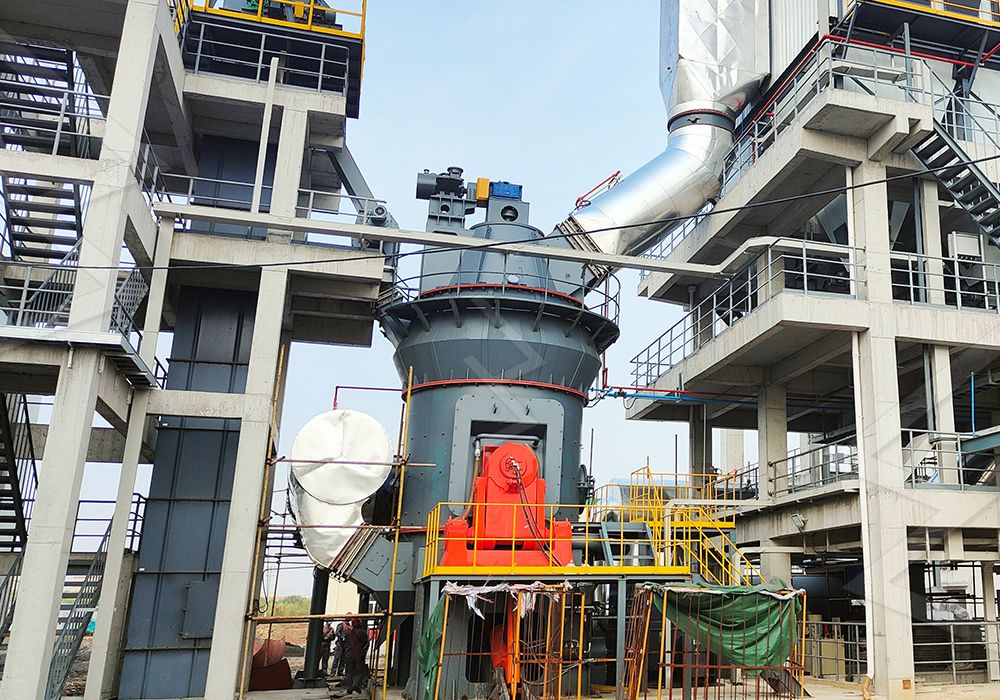
The energy savings are multifaceted. Firstly, the direct grinding mechanism is inherently more efficient. Secondly, the integrated high-efficiency classifier ensures that particles are transported to the collection system only once they reach the desired fineness, eliminating the need for over-grinding and recirculation of finished product—a common source of energy waste. Furthermore, the ability to utilize hot gases from kilns or other processes for simultaneous drying within the mill body eliminates the need for a separate, energy-hungry drying system, providing another substantial layer of energy conservation.
Optimizing Performance with Advanced Mill Technology
For operations requiring ultra-fine pulverized coal for specialized casting applications, selecting the right mill is paramount. Our MW Ultrafine Grinding Mill is specifically engineered to meet this demanding niche. Designed for customers who need to make ultra-fine powder, this machine excels in higher yielding and lower energy consumption. Its newly designed grinding curves of the grinding roller and ring enhance grinding efficiency dramatically. With the same fineness and power, its production capacity is 40% higher than that of jet mills and stirred mills, and twice as large as that of ball mills, while system energy consumption is only 30% of a jet mill.
Its cage-type powder selector, incorporating German technology, allows for precise fineness adjustment between 325-2500 meshes, ensuring the perfect particle size distribution for consistent casting quality. A significant maintenance advantage is the absence of rolling bearings and screws in the grinding chamber, eliminating common failure points and enabling external lubrication without shutdown for true 24/7 operation.
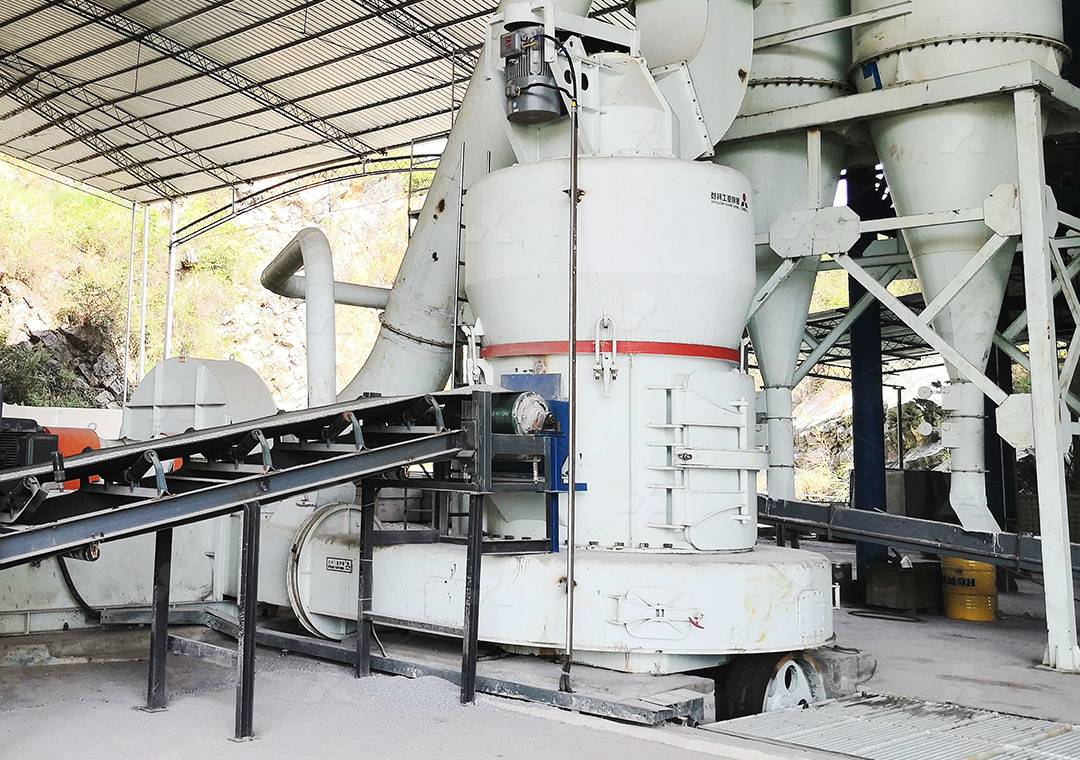
Another excellent option for foundries is the LM Vertical Coal Mill. This mill is a workhorse for power plants and large-scale industrial applications, including major casting production facilities. It is renowned for its simple and reliable operation, featuring limit devices to prevent destructive roller-to-table contact and a hydraulic system that allows grinding rollers to be turned out for easy maintenance. Its high grinding efficiency translates directly to lower energy consumption, saving 40-50% power compared to traditional ball mills. The product quality is exceptionally stable due to short material retention time, minimizing contamination and allowing for quick adjustment of chemical composition and fineness.
Conclusion
The transition to Vertical Roller Mill technology is no longer just an option for casting producers seeking to optimize their pulverized coal preparation; it is a strategic imperative for enhancing sustainability and profitability. The dramatic reduction in energy consumption, coupled with superior product quality, lower maintenance needs, and a smaller physical footprint, delivers a compelling return on investment. By adopting advanced solutions like the MW Ultrafine Grinding Mill for ultra-fine applications or the robust LM Vertical Coal Mill for high-volume production, foundries can significantly lower their operating costs and environmental impact while ensuring a reliable and high-quality fuel source for their casting processes.