
Electromagnetic Vibrating Feeder for Raymond Mill: A Complete Guide
We provide a wide range of mills — including Raymond mill, trapezoidal mill, vertical mill, ultrafine mill, and ball mill, obtained ISO9001 international quality certification, EU CE certification, and Customs Union CU-TR certification. Suitable for processing minerals such as limestone, phosphate, quicklime, kaolin, talc, barite, bentonite, calcium carbonate, dolomite, coal, gypsum, clay, carbon black, slag, cement raw materials, cement clinker, and more.
The discharge range of these mills can be adjusted to meet specific processing needs, typically from 80-400 mesh, 600-3250 mesh, and can achieve the finest particle size of up to 6000 mesh(D50).
If you are looking for a reliable grinding solution to turn stone or minerals into fine powder, please feel free to contact our online customer service.
Electromagnetic Vibrating Feeder for Raymond Mill: A Complete Guide
Hey there, fellow industry professionals! If you’re in the powder grinding business, you know that a Raymond Mill is only as good as its feeding system. Today, we’re diving deep into the world of electromagnetic vibrating feeders—the unsung heroes that keep your Raymond Mill running smoothly and efficiently. Let’s break it down, real talk.
Why an Electromagnetic Vibrating Feeder?
First off, what’s the big deal with these feeders? Well, an electromagnetic vibrating feeder ensures a consistent, controlled flow of material into your Raymond Mill. No more clogs, no more uneven feeding—just a steady stream that maximizes efficiency and minimizes downtime. It’s like having a reliable assistant who never takes a coffee break!
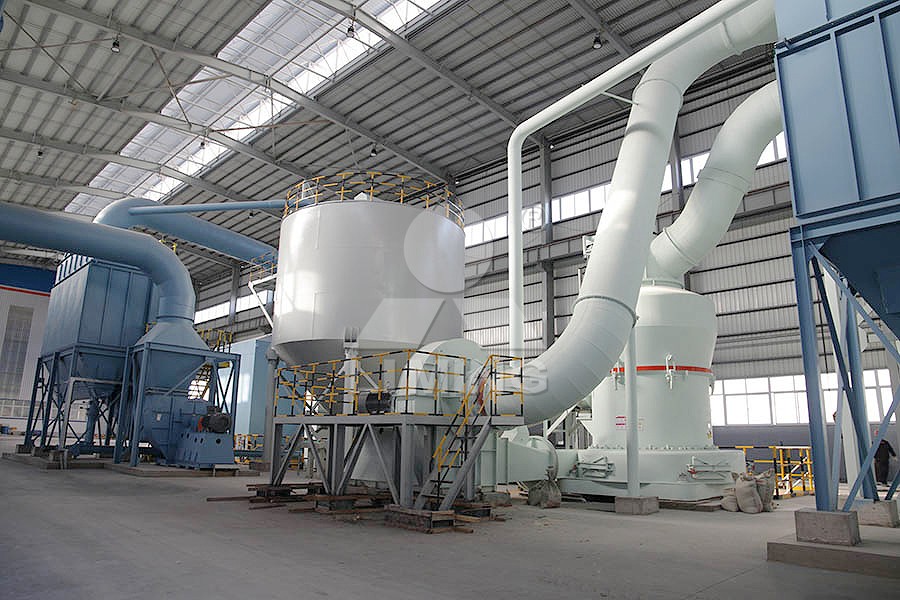
These feeders use electromagnetic drives to create vibrations that move materials smoothly. They’re energy-efficient, easy to adjust, and perfect for handling everything from fine powders to coarse aggregates. Plus, they reduce the risk of material spillage and dust generation, keeping your workspace cleaner and safer.
Key Features to Look For
When choosing a feeder, consider factors like capacity, material compatibility, and control options. You want something that can handle your mill’s throughput without breaking a sweat. Look for models with variable speed controls to fine-tune the feed rate based on your material’s characteristics.
Durability is another biggie. A robust construction means less maintenance and longer service life. And let’s not forget about noise levels—nobody wants a screeching feeder disrupting the peace!
Integration with Raymond Mill Systems
Integrating an electromagnetic vibrating feeder with your Raymond Mill is straightforward. It sits under the hopper and delivers material directly to the grinding chamber. This setup ensures that the mill operates at optimal capacity, reducing energy waste and improving overall output quality.
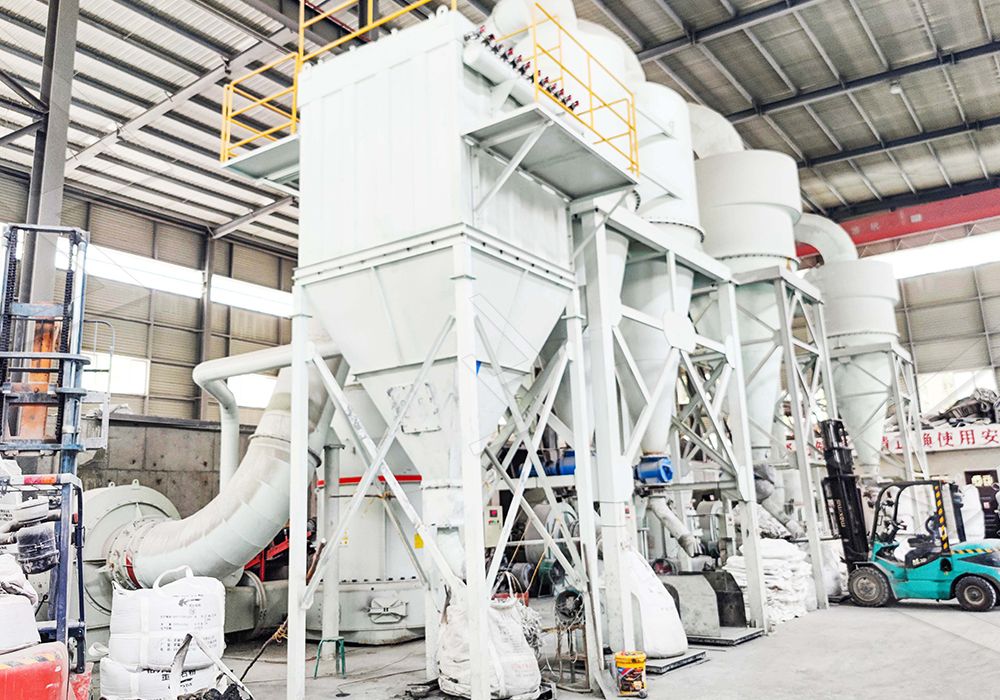
For those using advanced mills like our MW Ultrafine Grinding Mill, pairing it with a high-precision feeder is a game-changer. The MW mill handles inputs up to 20 mm with capacities ranging from 0.5 to 25 tph, making it ideal for ultra-fine powder production. Its efficient pulse dust collector and muffler keep operations eco-friendly, while features like higher yielding and lower energy consumption (40% more efficient than jet mills!) make it a top choice for industries like chemicals, cosmetics, and food additives.
Maintenance Tips and Best Practices
Keep your feeder in top shape with regular checks. Clean the tray periodically to prevent material buildup, and inspect the electromagnetic coils for signs of wear. Most models are designed for easy maintenance, but always refer to the manufacturer’s guidelines.
Pro tip: Use a feeder with a dedicated control panel to monitor performance and make adjustments on the fly. This way, you can respond quickly to changes in material flow or mill demand.
Why Choose Our Products?
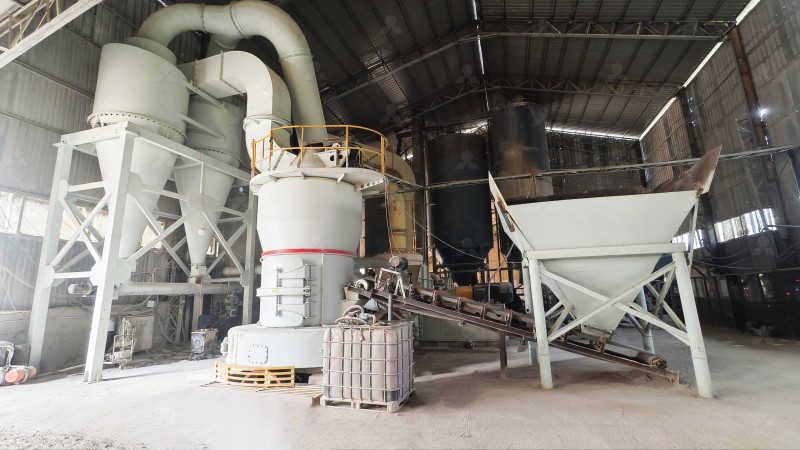
At LIMING, we don’t just sell equipment—we provide solutions. Our LUM Ultrafine Vertical Grinding Mill is another stellar option, especially for operations needing precision and versatility. With an input size of 0-10 mm and capacity of 5-18 tph, it incorporates advanced roller and powder separating technologies for superior performance. Its reversible structure simplifies maintenance, and energy consumption is 30%-50% lower than conventional mills. Perfect for materials like limestone, calcite, and barite.
Both the MW and LUM mills are backed by our commitment to quality and support. With digitalized processing for high precision and ample spare parts supply, you can count on worry-free operation. So, whether you’re upgrading an existing system or starting from scratch, our products deliver reliability and efficiency you can trust.
Wrapping Up
In summary, an electromagnetic vibrating feeder is crucial for maximizing your Raymond Mill’s potential. It ensures consistent feeding, reduces operational hiccups, and boosts overall productivity. Pair it with our advanced grinding mills, and you’ve got a setup that’s hard to beat.
Thanks for reading, and feel free to reach out if you have any questions. Happy grinding!