
Electrolytic Aluminum Waste Slag Grinding Machine: A Guide to Micro-Powder Processing Equipment
We provide a wide range of mills — including Raymond mill, trapezoidal mill, vertical mill, ultrafine mill, and ball mill, obtained ISO9001 international quality certification, EU CE certification, and Customs Union CU-TR certification. Suitable for processing minerals such as limestone, phosphate, quicklime, kaolin, talc, barite, bentonite, calcium carbonate, dolomite, coal, gypsum, clay, carbon black, slag, cement raw materials, cement clinker, and more.
The discharge range of these mills can be adjusted to meet specific processing needs, typically from 80-400 mesh, 600-3250 mesh, and can achieve the finest particle size of up to 6000 mesh(D50).
If you are looking for a reliable grinding solution to turn stone or minerals into fine powder, please feel free to contact our online customer service.
Electrolytic Aluminum Waste Slag Grinding Machine: A Guide to Micro-Powder Processing Equipment
The treatment and valorization of electrolytic aluminum waste slag, a significant by-product of the aluminum smelting industry, presents both an environmental challenge and a commercial opportunity. Transforming this industrial residue into valuable micro-powders requires specialized grinding technology capable of handling its unique abrasive and chemical characteristics. This guide explores the critical considerations for selecting and operating micro-powder processing equipment for this specific application.
The Challenge of Processing Electrolytic Aluminum Slag
Electrolytic aluminum slag is notably abrasive and can contain residual fluorides and other compounds that complicate the grinding process. The primary goal is to achieve a fine, consistent powder with a controlled particle size distribution, which can then be repurposed as a raw material in cement production, construction aggregates, or even as a filler in certain composites. The equipment must not only be robust enough to withstand the abrasive nature of the slag but also be engineered for high efficiency and minimal environmental impact, particularly in controlling dust emissions.
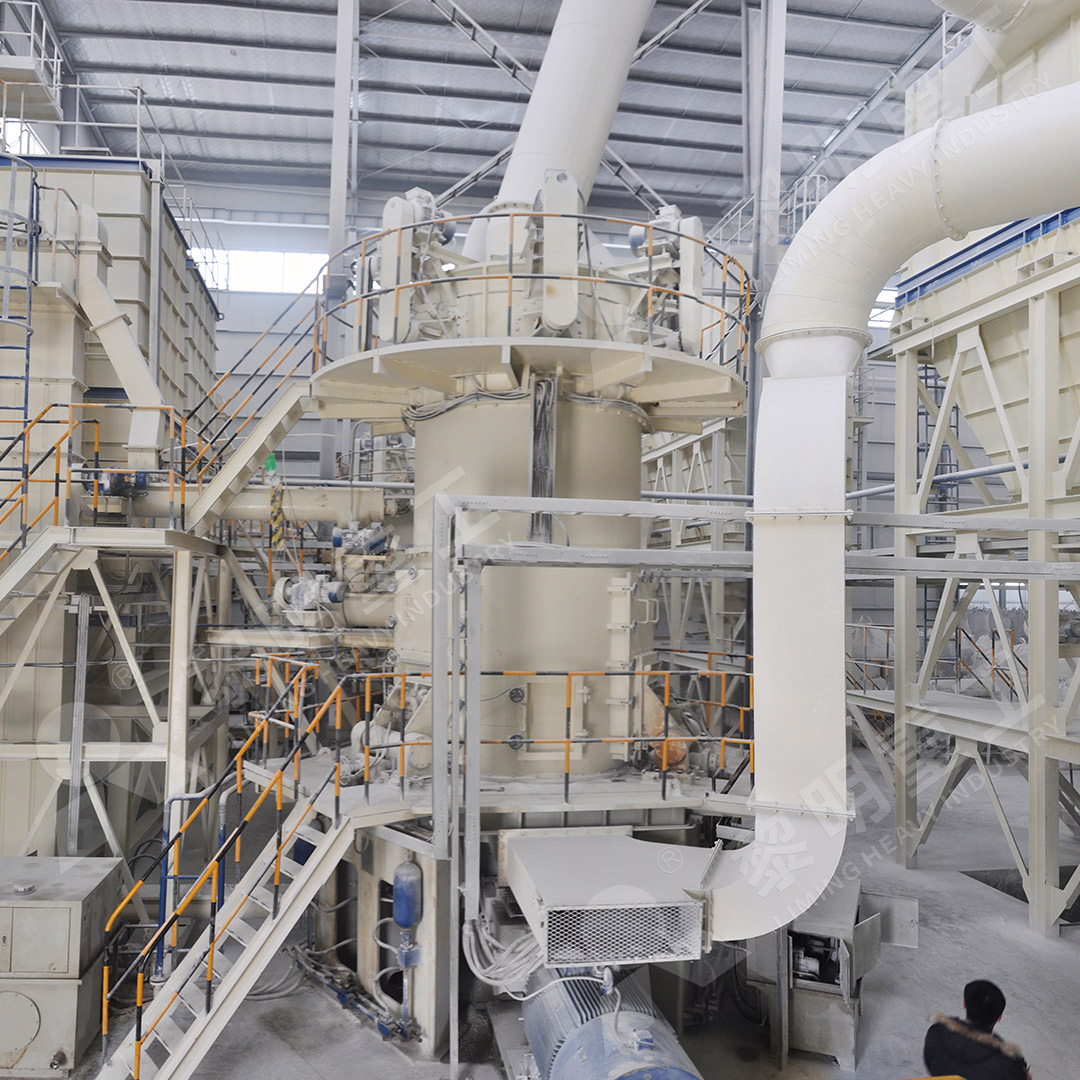
Key Equipment Features for Efficient Slag Grinding
When evaluating grinding mills for this task, several features are non-negotiable. High wear resistance of grinding components is paramount to ensure operational longevity and reduce maintenance downtime. Energy efficiency is another critical factor, as grinding is an energy-intensive process. Furthermore, an integrated and highly efficient dust collection system is essential to maintain a clean working environment and comply with industrial health standards. The ability to precisely control the fineness of the final product, often requiring adjustments between 325 to 2500 meshes, is what separates adequate equipment from superior solutions.
Recommended Solution: MW Ultrafine Grinding Mill
For operations focused on producing high-value, ultra-fine powders from electrolytic aluminum slag, the MW Ultrafine Grinding Mill stands out as an excellent choice. This machine is specifically engineered for customers who need to make ultra-fine powder from challenging materials. With an input size of 0-20 mm and a capacity ranging from 0.5 to 25 tph, it offers remarkable flexibility.
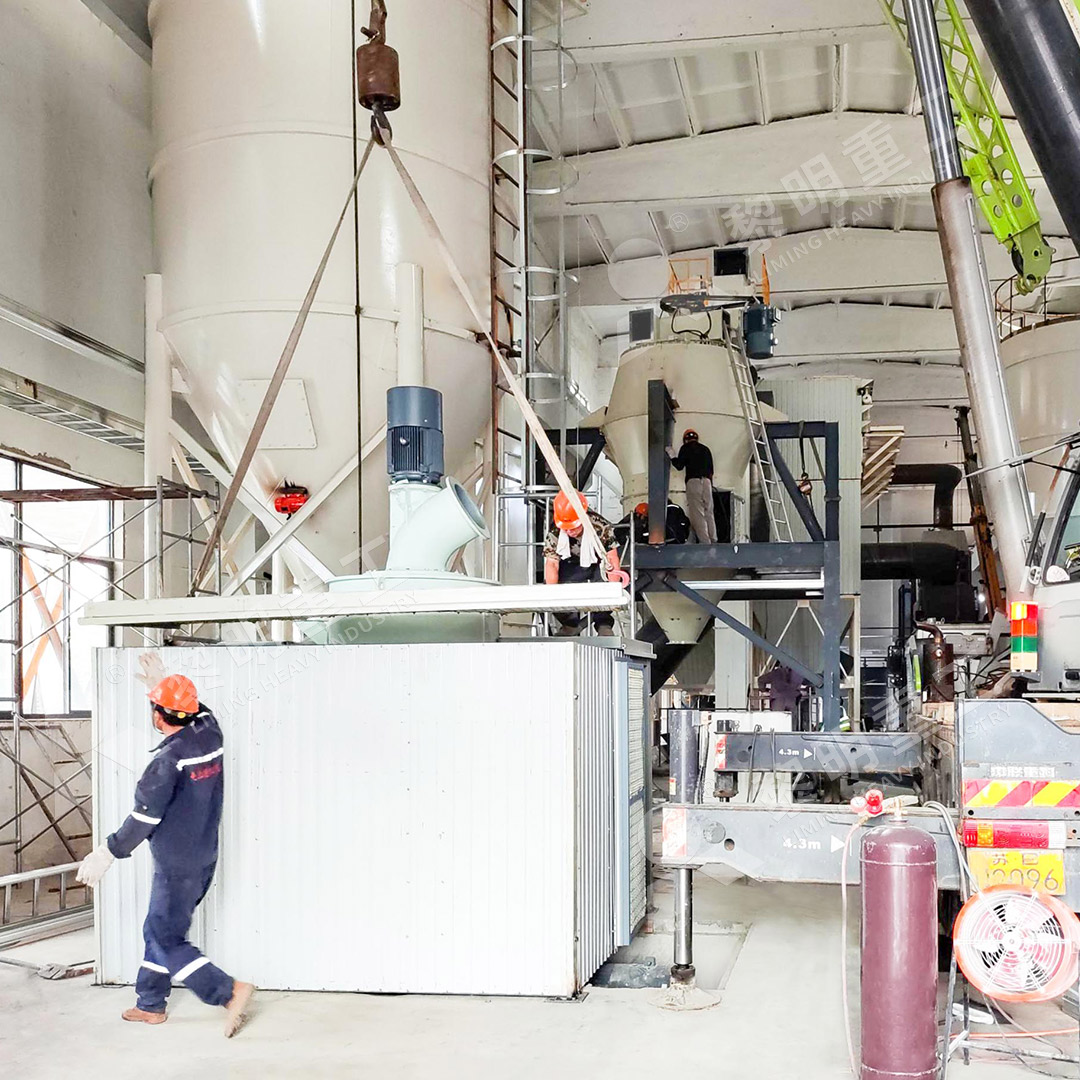
Its design incorporates several advantages crucial for slag processing. The absence of rolling bearings and screws within the grinding chamber eliminates common failure points and concerns about damage from abrasive particles. The cage-type powder selector, leveraging German technology, allows for precise fineness adjustment between 325-2500 meshes, ensuring you can meet specific product specifications. Perhaps most importantly for modern industrial applications, the MW Mill is equipped with an efficient pulse dust collector and muffler, making the entire production process notably eco-friendly with minimal dust and noise pollution.
An Alternative for High-Capacity Needs: LUM Ultrafine Vertical Grinding Mill
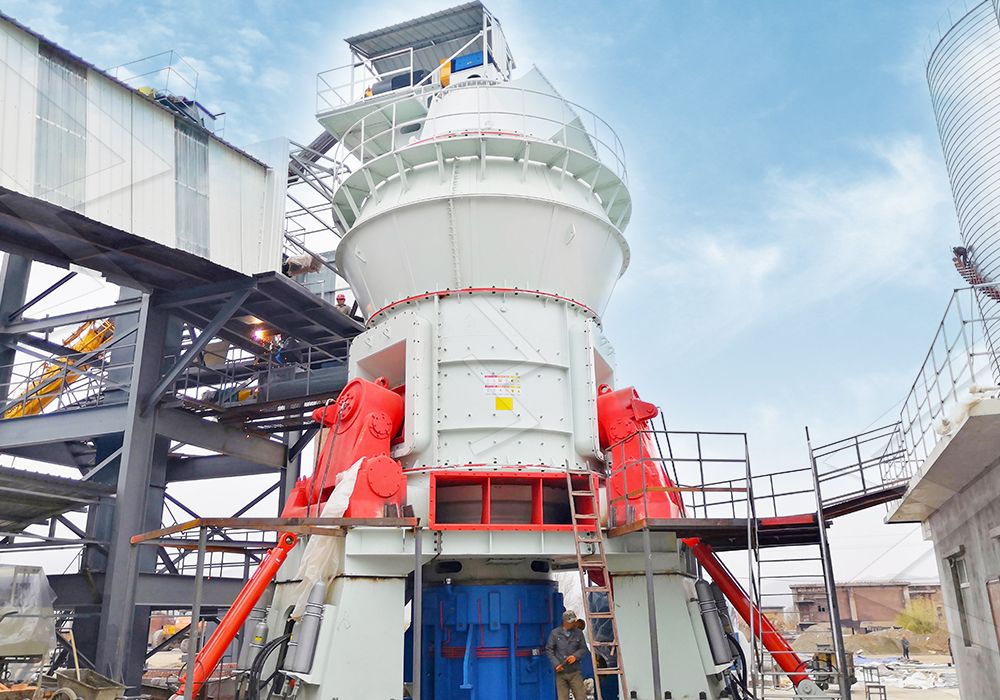
For projects demanding higher throughput with similar ultra-fine specifications, the LUM Ultrafine Vertical Grinding Mill is a formidable alternative. Independently designed with a capacity of 5-18 tph for materials up to 10 mm, it integrates the latest grinding roller and powder separating technologies. Its unique roller shell and lining plate grinding curve are easier to generate a material layer, promoting efficient single-pass milling that enhances whiteness and cleanliness—a valuable trait for certain slag-derived products. The reversible structure also significantly simplifies maintenance, allowing for quick roller access to minimize shutdown periods.
Operational Best Practices
Successful micro-powder production from aluminum slag extends beyond machine selection. Proper pre-processing, such as crushing and drying the slag to a suitable feed size and moisture content, is vital for optimal mill performance. Implementing a consistent feed rate prevents mill overload and ensures a stable grinding bed. Regular inspection of wear parts and proactive maintenance based on operational hours will maximize equipment lifespan and product consistency.
Conclusion
Investing in the right grinding technology is the cornerstone of transforming electrolytic aluminum waste slag from an environmental liability into a profitable resource. Equipment like the MW and LUM grinding mills, with their focus on precision, durability, and environmental compliance, provide a reliable pathway to achieving high-quality micro-powders for a growing market.
Frequently Asked Questions (FAQ)
What is the typical fineness range achievable for aluminum slag powder?
Advanced mills like the MW series can consistently produce powders in the range of 325 to 2500 meshes (approximately 45 to 5 microns), allowing for customization based on the end-use application.
How abrasive is electrolytic aluminum slag on the grinding mill?
It is highly abrasive. Therefore, selecting a mill with wear-resistant alloy grinding rollers and rings, and a design that minimizes direct contact between major components, is critical for reducing maintenance costs and downtime.
Is dust control a significant issue when grinding this material?
Yes, effective dust control is mandatory. Modern grinding mills should be equipped with integrated, high-efficiency pulse jet dust collectors to ensure a clean and safe working environment and to meet all regulatory requirements.
Can the same mill process other materials besides aluminum slag?
Absolutely. Versatile mills like the MW and LUM are designed to handle a wide range of non-metallic minerals, including limestone, calcite, gypsum, and barite, making them a valuable asset for processing various materials.