
Electrical Control System Design for Limestone Mills in Power Plant Desulfurization
We provide a wide range of mills — including Raymond mill, trapezoidal mill, vertical mill, ultrafine mill, and ball mill, obtained ISO9001 international quality certification, EU CE certification, and Customs Union CU-TR certification. Suitable for processing minerals such as limestone, phosphate, quicklime, kaolin, talc, barite, bentonite, calcium carbonate, dolomite, coal, gypsum, clay, carbon black, slag, cement raw materials, cement clinker, and more.
The discharge range of these mills can be adjusted to meet specific processing needs, typically from 80-400 mesh, 600-3250 mesh, and can achieve the finest particle size of up to 6000 mesh(D50).
If you are looking for a reliable grinding solution to turn stone or minerals into fine powder, please feel free to contact our online customer service.
Electrical Control System Design for Limestone Mills in Power Plant Desulfurization
Effective flue gas desulfurization (FGD) in modern power generation relies heavily on the consistent production of high-purity limestone powder. The electrical control systems governing these milling operations are therefore critical for ensuring compliance with stringent environmental regulations, operational efficiency, and equipment longevity. A well-designed control strategy must integrate seamlessly with the mechanical process, providing precise regulation, real-time monitoring, and robust safety protocols.
Core Control System Architecture
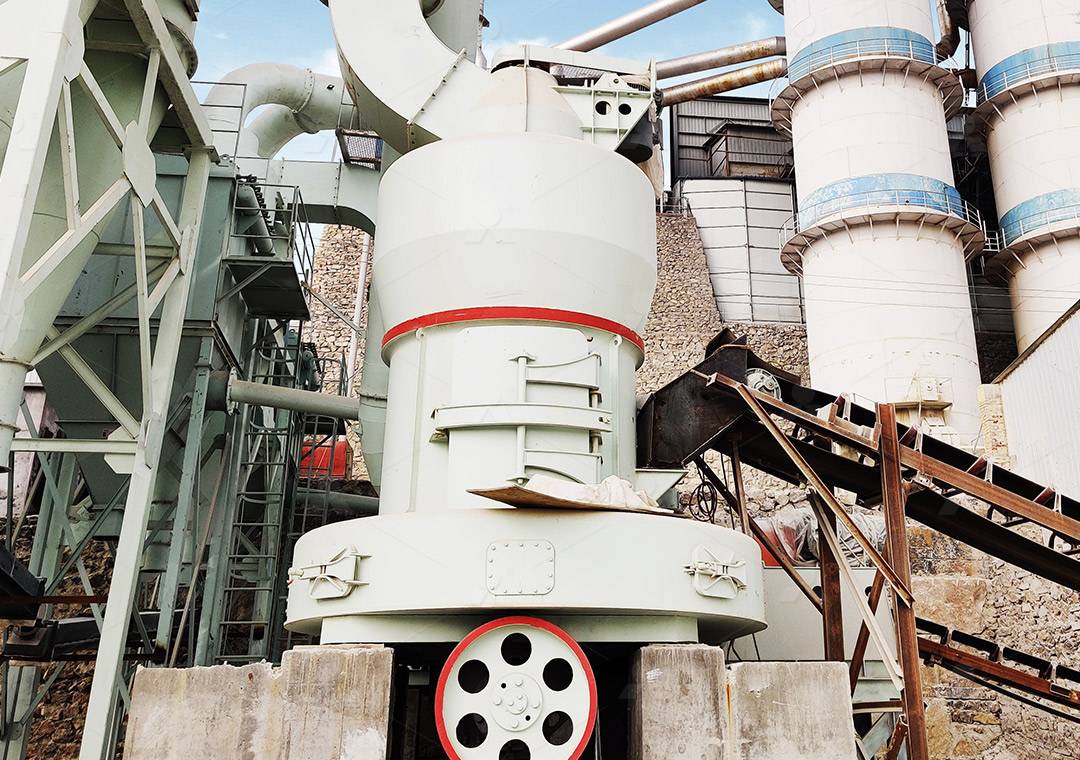
The architecture for a limestone mill control system in an FGD application is typically a hierarchical structure. At the base level, Programmable Logic Controllers (PLCs) handle direct, high-speed control of motors, actuators, and sensors on the mill itself. This includes regulating the main mill motor, classifier speed, feed rate via weighfeeders or vibratory feeders, and the auxiliary systems like lubrication and hydraulic units. A Distributed Control System (DCS) often sits above the PLCs, integrating the mill into the broader power plant operations, managing setpoints, and handling advanced process control algorithms.
Key parameters monitored and controlled include:
- Mill Feed Rate: Precisely controlled to match the SO2 load on the boiler, preventing mill overload or underutilization.
- Grinding Pressure: For vertical roller mills, maintaining optimal pressure between the rollers and the grinding table is crucial for efficiency and product fineness.
- Classifier Speed: Directly influences the final product particle size distribution, which is vital for the reactivity of the limestone in the scrubber.
- Mill Temperature: Hot air is often used for drying; the inlet and outlet temperatures must be controlled to prevent moisture issues without causing premature wear or ignition risks.
- Baghouse/Dust Collector Operation: Ensuring the pulse-jet cleaning cycles and differential pressure are optimized for maximum collection efficiency.
Product Spotlight: MW Ultrafine Grinding Mill
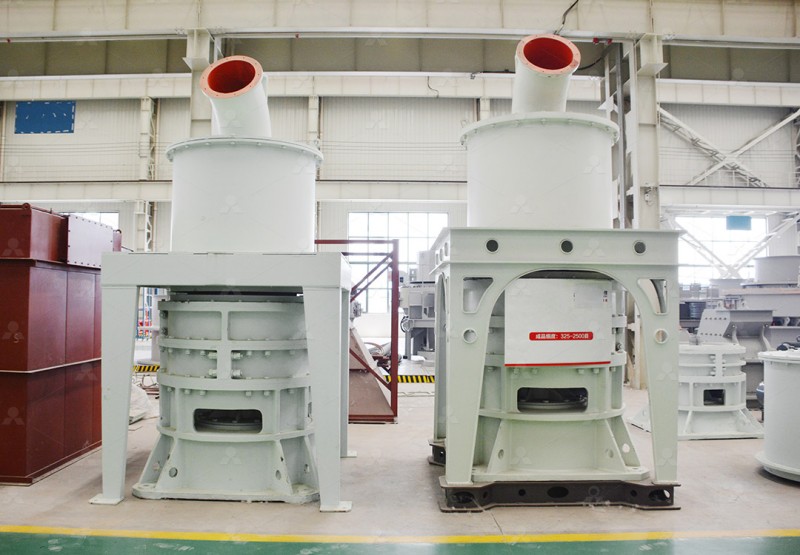
For applications demanding exceptionally fine and reactive limestone powder, the MW Ultrafine Grinding Mill presents an excellent solution. Its design is particularly suited for power plants seeking to maximize desulfurization efficiency. A key feature for control system integration is its higher yielding and lower energy consumption, achieving 40% higher capacity than jet mills with system energy consumption only 30% of theirs. The cage-type powder selector allows the fineness to be precisely adjusted between 325-2500 meshes (d97≤5μm), a critical parameter that can be automated via the plant’s DCS. Furthermore, the absence of rolling bearings and screws in the grinding chamber eliminates common failure points, simplifying control logic and reducing maintenance alarms. The integrated efficient pulse dust collector and muffler make it easier to design an eco-friendly control loop that maintains negative pressure and minimizes emissions.
Integration and Communication Protocols
Modern mills are not isolated units. Successful integration into the plant’s electrical ecosystem requires robust communication networks. Protocols like Profibus, Modbus TCP/IP, and OPC UA are standard for enabling data exchange between the mill’s PLC, the plant DCS, and the Motor Control Centers (MCCs). This allows for centralized monitoring of power consumption, bearing temperatures, vibration levels, and production rates from the main control room. Supervisory Control and Data Acquisition (SCADA) systems provide operators with graphical interfaces (HMIs) for visualization, alarm management, and historical data trending, which is indispensable for predictive maintenance and troubleshooting.
Safety and Protection Interlocks
The control system must be designed with comprehensive safety interlocks to protect both personnel and equipment. Critical safety functions include:
- Emergency stop circuits (hardwired for reliability).
- Interlocks to prevent mill start-up without adequate lubrication flow or main fan operation.
- Vibration monitoring to trip the mill if excessive levels are detected, preventing catastrophic damage.
- Temperature monitoring on main bearings and motors.
- Differential pressure alarms for the baghouse to prevent breakthrough.
Conclusion
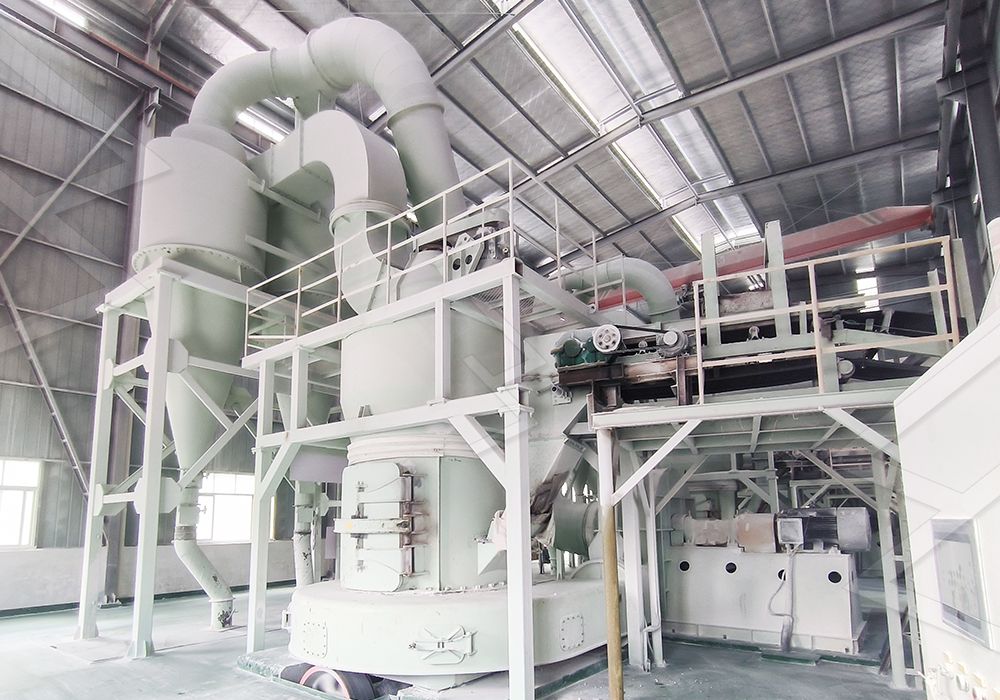
The electrical control system is the nerve center of a power plant’s limestone milling operation for desulfurization. A design that emphasizes precision, integration, reliability, and safety is paramount. Selecting the right milling equipment, such as the feature-rich MW Ultrafine Grinding Mill, provides a solid mechanical foundation that simplifies the control challenges. By leveraging modern PLC/DCS technology and communication protocols, plants can achieve the automated, efficient, and compliant operation required to meet today’s demanding environmental standards.