
Electric Non-Metallic Ball Grinding Mill: A Complete Guide
We provide a wide range of mills — including Raymond mill, trapezoidal mill, vertical mill, ultrafine mill, and ball mill, obtained ISO9001 international quality certification, EU CE certification, and Customs Union CU-TR certification. Suitable for processing minerals such as limestone, phosphate, quicklime, kaolin, talc, barite, bentonite, calcium carbonate, dolomite, coal, gypsum, clay, carbon black, slag, cement raw materials, cement clinker, and more.
The discharge range of these mills can be adjusted to meet specific processing needs, typically from 80-400 mesh, 600-3250 mesh, and can achieve the finest particle size of up to 6000 mesh(D50).
If you are looking for a reliable grinding solution to turn stone or minerals into fine powder, please feel free to contact our online customer service.
Electric Non-Metallic Ball Grinding Mill: A Complete Guide
In the world of industrial mineral processing, the grinding of non-metallic materials is a critical operation. From limestone and calcite to barite and gypsum, achieving the desired fineness is paramount for product quality across countless industries, including paints, plastics, cosmetics, and construction. While traditional ball mills have been the workhorse for decades, technological advancements have ushered in a new era of efficiency and precision with electric non-metallic grinding mills.
Beyond the Traditional Ball Mill
Conventional ball mills, while reliable, often come with significant drawbacks: high energy consumption, considerable noise, dust pollution, and limited control over the final product’s fineness. The modern electric grinding mill adresses these issues head-on. These systems are engineered for dry, super-fine grinding of non-flammable and non-explosive brittle materials with a Moh’s hardness below 6.
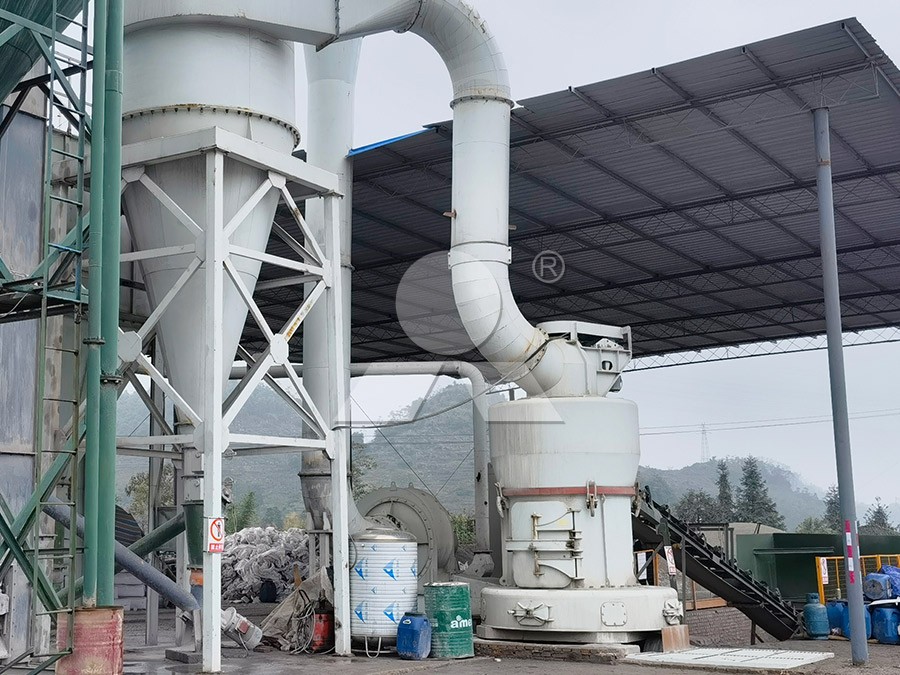
The key differentiator lies in the grinding mechanism. Instead of solely relying on impact and attrition from tumbling steel balls, many modern mills incorporate advanced principles like roller grinding against a raceway, coupled with highly efficient, instantaneous air classification. This results in a more controlled, efficient, and cleaner process.
Introducing a Superior Solution: The MW Ultrafine Grinding Mill
For operations demanding ultra-fine powders, the MW Ultrafine Grinding Mill stands out as a premier choice. This machine is specifically designed for customers who need to make ultra-fine powder between 325-2500 meshes. It’s a game-changer in terms of yield and energy efficiency.
What sets the MW Mill apart? Its newly designed grinding curves of the roller and ring significantly enhance grinding efficiency. With the same fineness and power, its production capacity is a remarkable 40% higher than that of jet mills or stirred grinding mills, and its yield is twice as large as a traditional ball mill. Perhaps most impressively, its system energy consumption is only 30% of a comparable jet mill. It also features a German-technology cage-type powder selector for precise separation and boasts a unique design with no rolling bearings or screws in the grinding chamber, eliminating common failure points and allowing for external lubrication without shutdown.

Key Considerations for Your Operation
Selecting the right mill depends on several factors:
- Feed Size: What is the maximum input size of your material?
- Required Capacity: What throughput (e.g., tons per hour) do you need?
- Desired Fineness: What is the target particle size distribution?
- Material Properties: Hardness, moisture content, and abrasiveness are critical.
- Operational Environment: Considerations for noise, dust, and space limitations.
For high-capacity needs involving slightly larger feed materials, another excellent option from our portfolio is the LM Vertical Grinding Mill. It integrates crushing, drying, grinding, classifying, and conveying into a single unit. Its coverage area is reduced by 50% compared with a ball mill, and it saves 30%-40% in energy consumption, making it a comprehensive and space-saving solution for a wide range of non-metallic minerals.
The Future is Efficient and Eco-Friendly
The evolution of grinding technology is clearly moving towards integrated, automated, and environmentally responsible systems. Modern mills like the MW and LM series are equipped with efficient pulse dust collectors and mufflers, ensuring no dust pollution and significantly reduced noise, allowing production to fully meet national environmental protection standards.
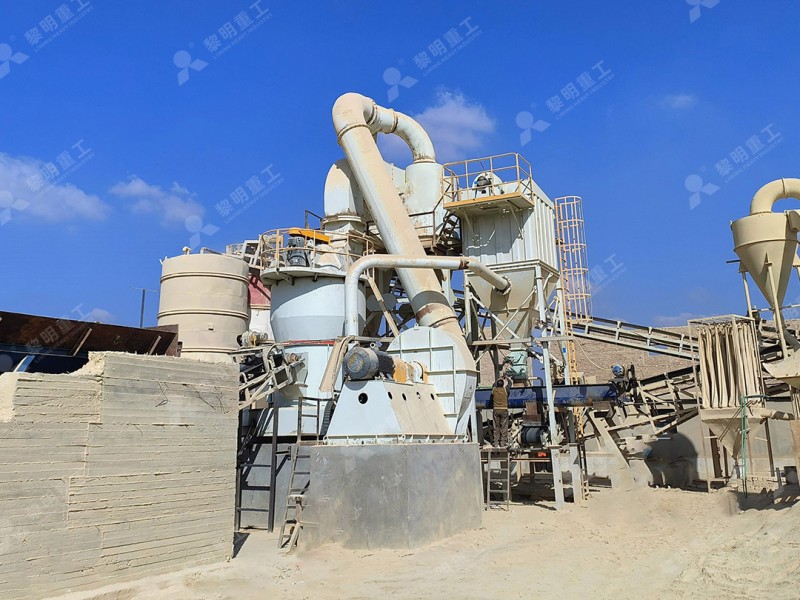
By embracing these advanced electric grinding solutions, operations can achieve not only superior product quality and consistency but also realize substantial savings in energy and maintenance costs, all while minimizing their environmental footprint. It’s a win-win for productivity and the planet.