
Electric Grinding Mills in Zimbabwe: Price List & Buyer’s Guide 2024
We provide a wide range of mills — including Raymond mill, trapezoidal mill, vertical mill, ultrafine mill, and ball mill, obtained ISO9001 international quality certification, EU CE certification, and Customs Union CU-TR certification. Suitable for processing minerals such as limestone, phosphate, quicklime, kaolin, talc, barite, bentonite, calcium carbonate, dolomite, coal, gypsum, clay, carbon black, slag, cement raw materials, cement clinker, and more.
The discharge range of these mills can be adjusted to meet specific processing needs, typically from 80-400 mesh, 600-3250 mesh, and can achieve the finest particle size of up to 6000 mesh(D50).
If you are looking for a reliable grinding solution to turn stone or minerals into fine powder, please feel free to contact our online customer service.
Electric Grinding Mills in Zimbabwe: Price List & Buyer’s Guide 2024
For many businesses and entrepreneurs in Zimbabwe, a reliable electric grinding mill is more than just a piece of machinery; it’s the cornerstone of productivity and profitability. Whether you’re processing maize for mealie meal, grinding minerals for industrial applications, or producing powders for various sectors, choosing the right mill is a critical decision. The market in 2024 offers a range of options, and navigating the specifications, capabilities, and price points requires a clear understanding of your specific needs.
Key Considerations Before You Buy
Before diving into specific models and prices, it’s essential to assess your operation’s requirements. Ask yourself these questions:
- Material to be Processed: What is the hardness, moisture content, and initial size of your raw material? (e.g., limestone, calcite, maize, gypsum).
- Required Output Fineness: What is the target particle size or mesh size for your final product?
- Desired Capacity: How many tons per hour (tph) do you need to achieve to meet your production goals?
- Power Availability: What is the stable power supply capacity at your site?
- Environmental & Noise Regulations: Are there specific local requirements for dust and noise control?
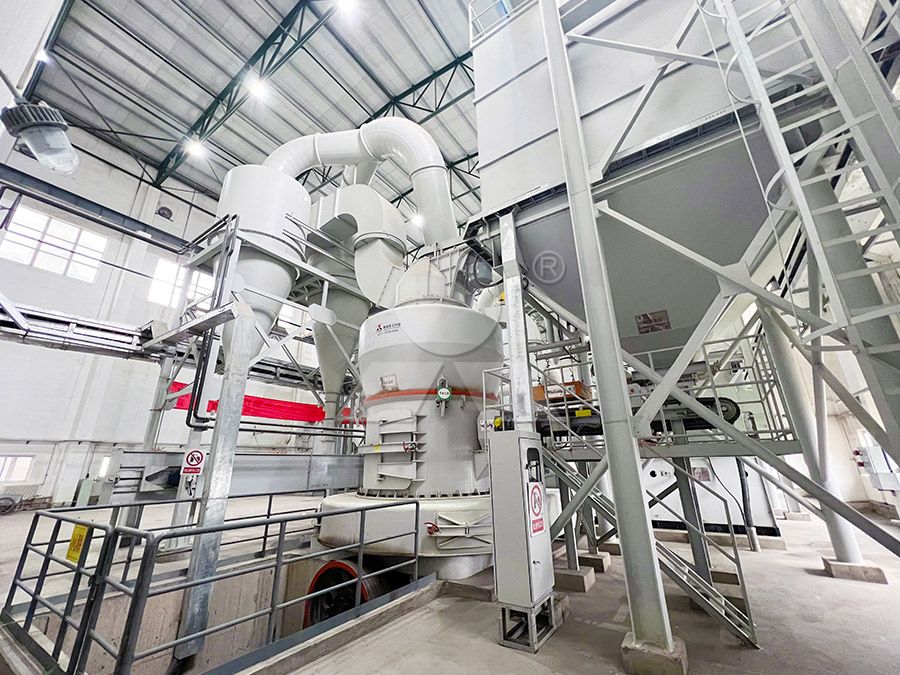
Spotlight on Advanced Grinding Solutions
While traditional ball mills and Raymond mills are still in use, modern grinding technology offers significant advantages in efficiency, energy savings, and environmental friendliness. For operations requiring ultra-fine powders with high precision, advanced mills are the clear choice.
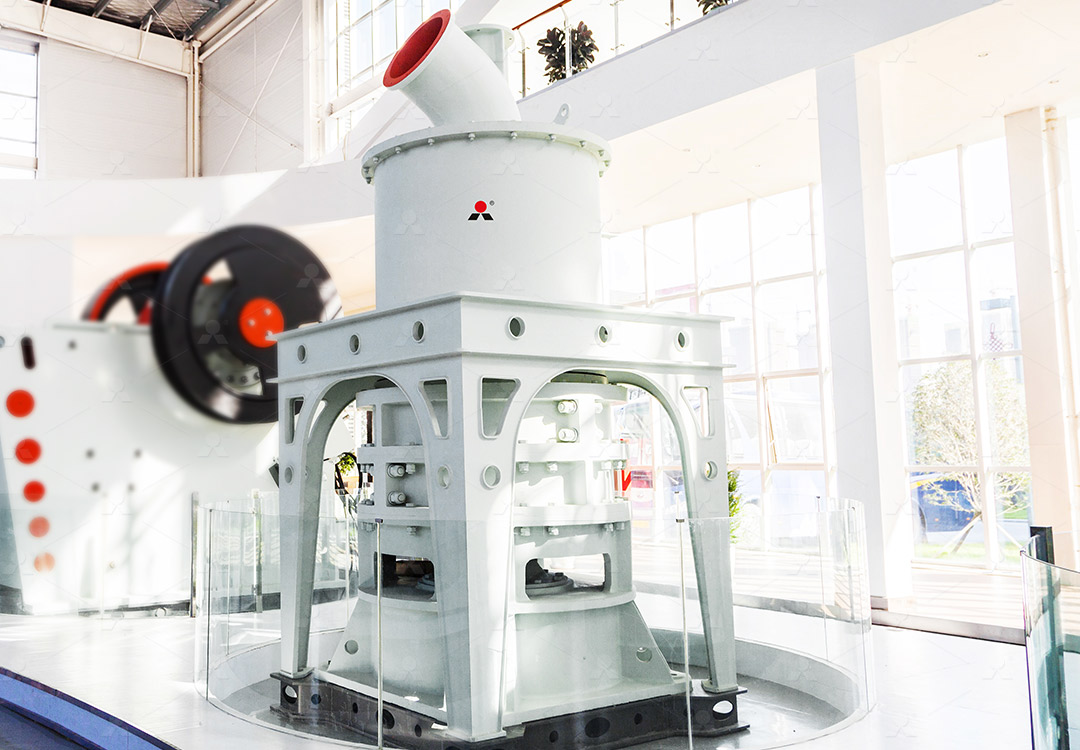
One standout model engineered for high-performance applications is the MW Ultrafine Grinding Mill. This machine is specifically designed for customers who need to produce ultra-fine powder efficiently. It handles an input size of 0-20 mm and delivers a capacity ranging from 0.5 to 25 tph. A key advantage is its eco-friendly design, featuring an efficient pulse dust collector and muffler that minimize dust and noise, ensuring your production meets environmental standards without compromising output.
Its innovative features include higher yielding with lower energy consumption—production capacity is 40% higher than jet mills with system energy consumption only 30% of them. It offers adjustable fineness between 325-2500 meshes, and a unique design with no rolling bearings or screws in the grinding chamber eliminates common failure points, allowing for worry-free 24-hour operation.
Understanding the Price Spectrum
Prices for electric grinding mills in Zimbabwe can vary widely based on capacity, technology, and brand. As of 2024, here’s a general guide:
- Small-scale Mills (for local communities): $5,000 – $15,000 USD
- Medium-scale Industrial Mills: $20,000 – $70,000 USD
- Large-scale, High-tech Mills (like the MW Series): $80,000 – $250,000+ USD
It’s crucial to remember that the initial purchase price is just one part of the total cost of ownership. Factors like energy consumption, maintenance frequency, spare parts availability, and durability play a massive role in long-term profitability. Investing in a technologically advanced mill like the MW Ultrafine Grinding Mill can lead to substantial savings on operational costs over time.
Why Choose Advanced Technology?
For serious investors aiming for large-scale production, the LUM Ultrafine Vertical Grinding Mill presents another compelling option. With an input size of 0-10 mm and a capacity of 5-18 tph, it integrates ultrafine powder grinding, grading, and transporting into a single, efficient system. Its energy-saving multi-head powder separating technology can reduce consumption by 30%-50% compared to common grinding mills. Features like double position-limiting technology ensure stable operation, and a reversible structure makes maintenance significantly easier and faster.
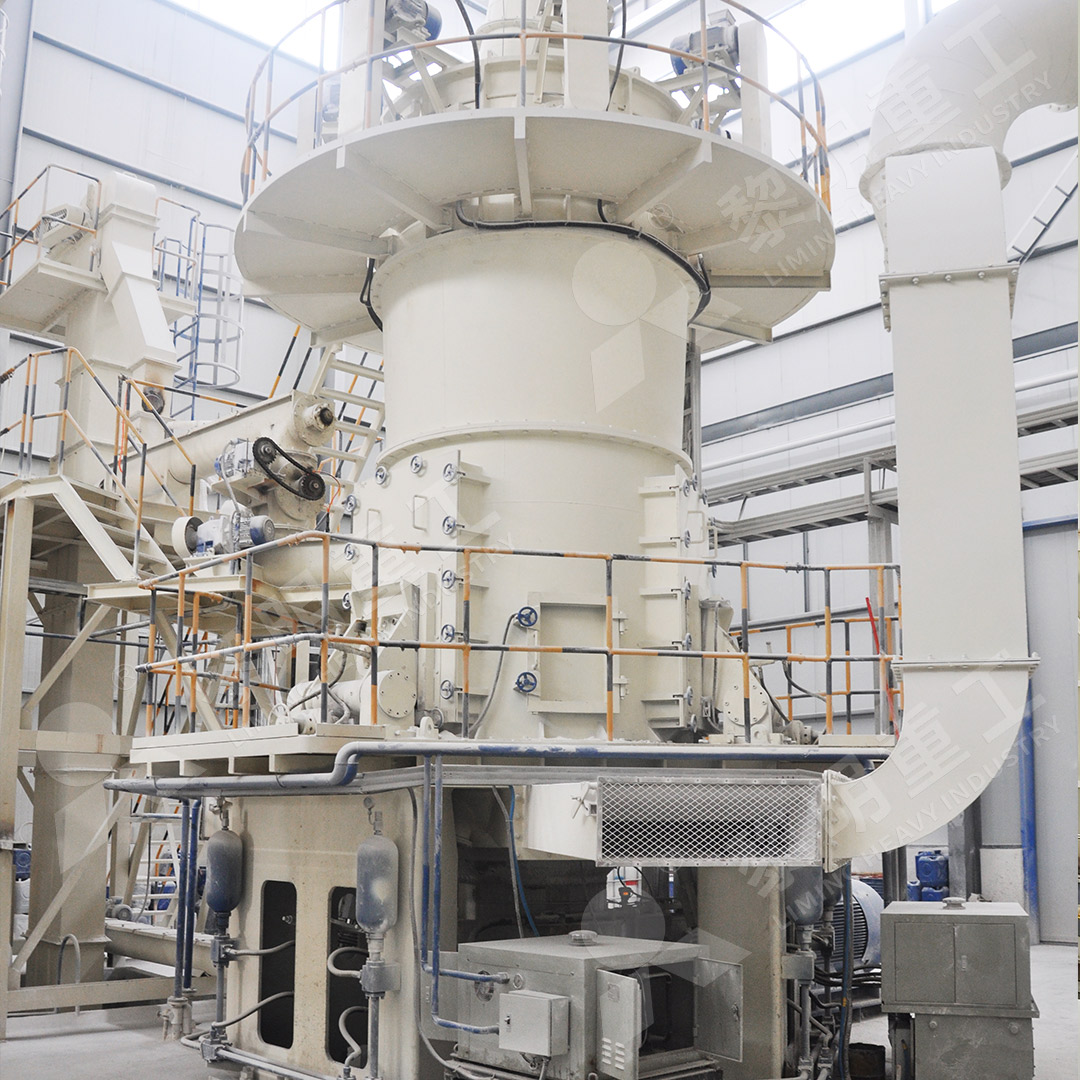
These advanced mills from LIMING are backed by comprehensive technical support and a guaranteed supply of original spare parts, which is a critical factor for ensuring uninterrupted operation in Zimbabwe.
Frequently Asked Questions (FAQ)
What is the most important factor when choosing a grinding mill in Zimbabwe?
Matching the mill’s capacity and fineness capabilities to your specific raw material and production goals is the most critical step. A mill that is too small will bottleneck your operation, while an oversized mill will lead to unnecessary capital expenditure.
Are modern, energy-efficient mills worth the higher initial investment?
Absolutely. While the upfront cost is higher, the savings on electricity bills and lower maintenance requirements quickly offset the initial price difference. This leads to a lower total cost of ownership and higher profitability in the medium to long term.
How do I handle after-sales service and spare parts in Zimbabwe?
It is vital to choose a supplier with a proven track record of local support. LIMING, for instance, takes responsibility for every machine it produces, offering technical services and ensuring a sufficient supply of original spare parts to guarantee worry-free operation.
Can these mills handle Zimbabwe’s common power fluctuations?
Most industrial-grade mills are designed to handle a range of voltage conditions, but it is always recommended to discuss your specific site’s power situation with the supplier. Using voltage stabilizers or backup generators is a common practice to protect sensitive equipment.