
Efficient Grinding Solutions for Serpentine Ore Processing
We provide a wide range of mills — including Raymond mill, trapezoidal mill, vertical mill, ultrafine mill, and ball mill, obtained ISO9001 international quality certification, EU CE certification, and Customs Union CU-TR certification. Suitable for processing minerals such as limestone, phosphate, quicklime, kaolin, talc, barite, bentonite, calcium carbonate, dolomite, coal, gypsum, clay, carbon black, slag, cement raw materials, cement clinker, and more.
The discharge range of these mills can be adjusted to meet specific processing needs, typically from 80-400 mesh, 600-3250 mesh, and can achieve the finest particle size of up to 6000 mesh(D50).
If you are looking for a reliable grinding solution to turn stone or minerals into fine powder, please feel free to contact our online customer service.
Efficient Grinding Solutions for Serpentine Ore Processing
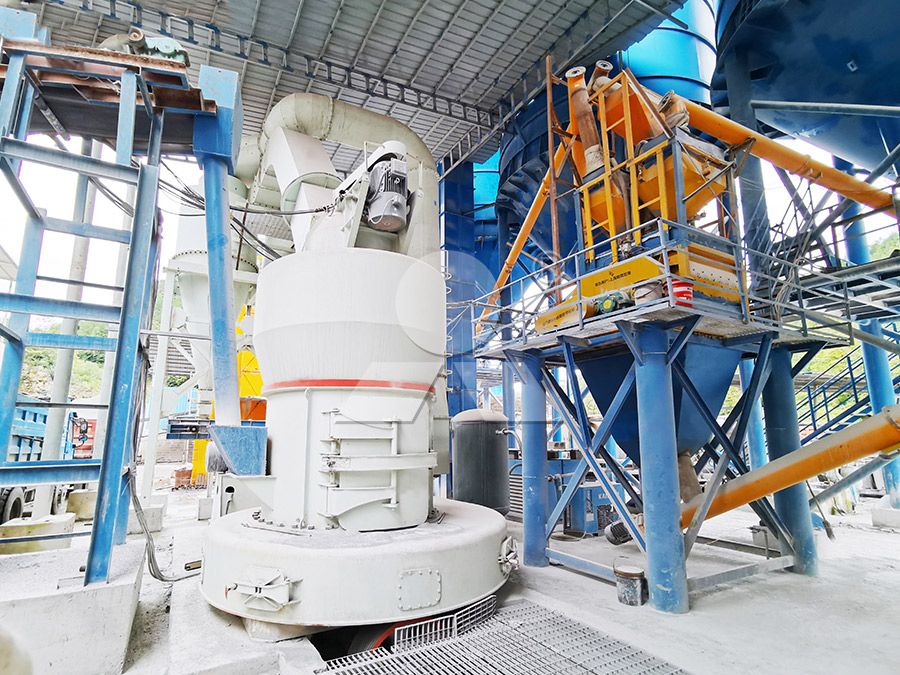
Serpentine ore, a magnesium silicate mineral with complex structural characteristics, presents unique challenges in mineral processing operations. Its fibrous nature, variable hardness, and tendency to generate heat during grinding require specialized equipment capable of delivering precise particle size reduction while maintaining operational efficiency. As global demand for serpentine-derived products increases across construction, agriculture, and industrial applications, processors are seeking advanced grinding technologies that can optimize production while minimizing energy consumption and environmental impact.
The Serpentine Grinding Challenge
Processing serpentine ore demands careful consideration of several critical factors. The mineral’s inherent softness (2.5-3.5 on Mohs scale) combined with its fibrous structure creates difficulties in achieving consistent particle size distribution. Traditional grinding mills often struggle with heat generation, which can alter the mineral’s chemical properties and reduce product quality. Furthermore, serpentine’s tendency to absorb moisture complicates the grinding process, potentially leading to clogging and reduced throughput in conventional systems.
Modern processing facilities require grinding solutions that address these challenges through advanced engineering and precise control mechanisms. The ideal grinding system for serpentine must offer adjustable fineness control, efficient heat management, minimal iron contamination, and robust construction to handle the abrasive nature of the material while maintaining consistent output quality.
Advanced Grinding Technology for Superior Results
Among the available technologies, ultrafine grinding mills have demonstrated exceptional performance in serpentine processing applications. These systems combine precision engineering with innovative grinding mechanisms to overcome the limitations of traditional approaches. The MW Ultrafine Grinding Mill represents a significant advancement in this field, specifically engineered to handle challenging materials like serpentine with remarkable efficiency.
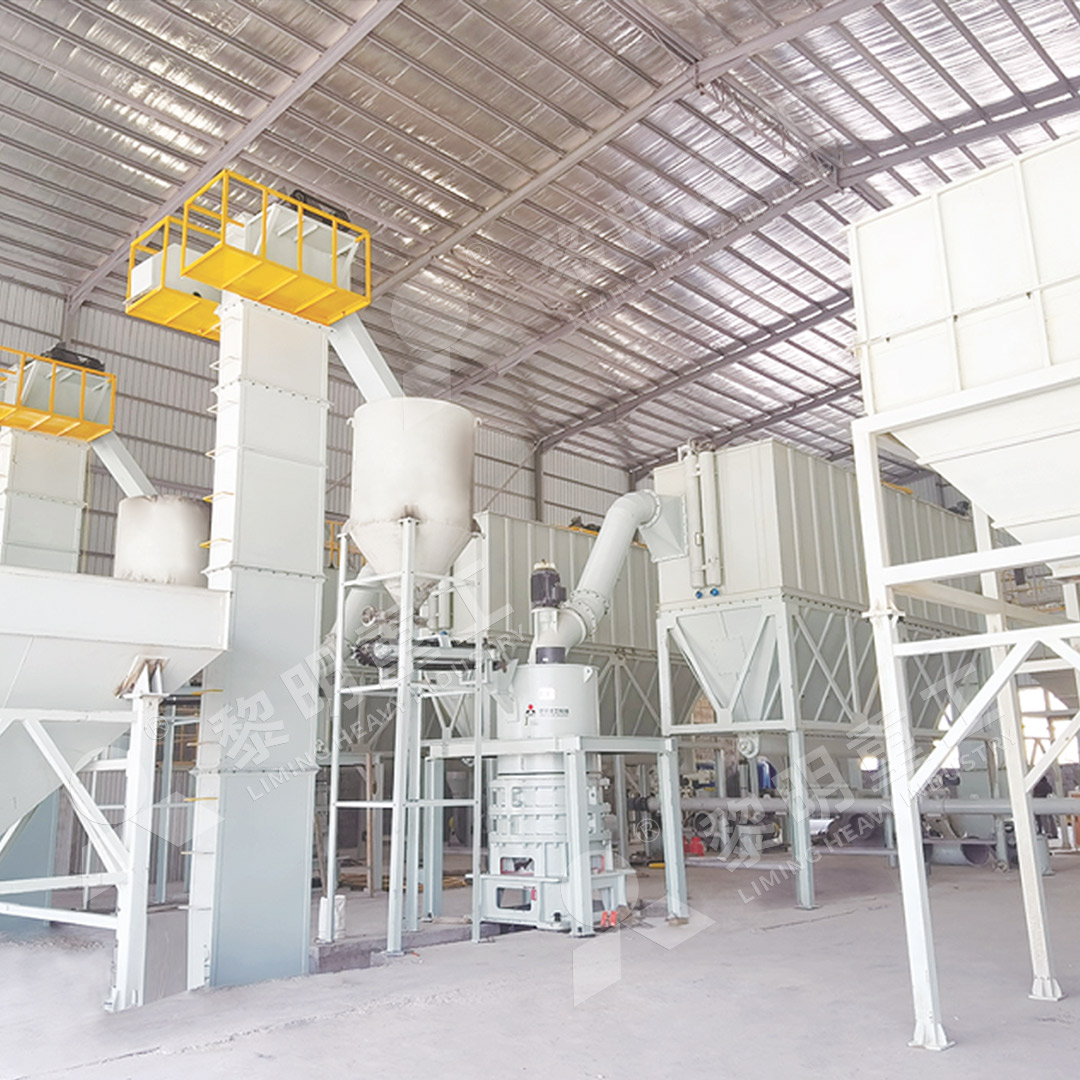
With an input size capacity of 0-20 mm and throughput ranging from 0.5 to 25 tons per hour, the MW Ultrafine Grinding Mill accommodates the typical size distribution of crushed serpentine ore while providing flexible production scaling. The mill’s innovative design eliminates rolling bearings and screws within the grinding chamber, addressing a common failure point in conventional systems when processing abrasive materials. This engineering choice significantly reduces maintenance requirements and prevents contamination from worn mechanical components.
Key Technical Advantages for Serpentine Applications
The MW Ultrafine Grinding Mill incorporates several features specifically beneficial for serpentine processing. Its adjustable fineness range of 325-2500 meshes allows processors to precisely target the optimal particle size for their specific application, whether producing fillers, agricultural supplements, or refractory materials. The German-designed cage-type powder selector ensures exceptional separation precision, achieving screening rates of d97≤5μm in a single pass.
From an operational perspective, the mill’s external lubrication system enables continuous 24-hour operation without shutdowns for maintenance, a critical advantage in high-volume processing environments. The integrated pulse dust collector and noise reduction technologies address environmental concerns while maintaining workplace safety standards. Most importantly for serpentine processors, the system’s energy efficiency – consuming only 30% of the energy required by jet grinding mills – significantly reduces operating costs while delivering 40% higher production capacity compared to alternative technologies.
Integrated Processing Approach
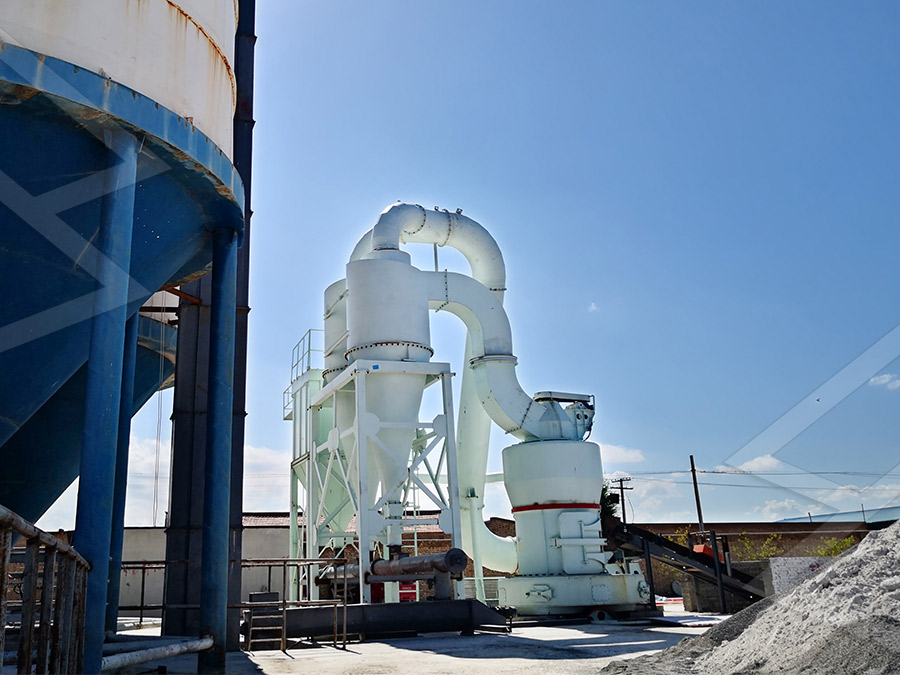
Successful serpentine processing extends beyond the grinding operation alone. A comprehensive approach considers the entire material handling system, from primary crushing through to final product classification. The MW Ultrafine Grinding Mill integrates seamlessly into complete processing circuits, complementing crushing and classification equipment to create an optimized production line.
For operations requiring different capacity parameters or dealing with varying serpentine compositions, the LUM Ultrafine Vertical Grinding Mill presents an excellent alternative. With its input size of 0-10 mm and capacity range of 5-18 tph, this mill incorporates advanced powder separating technology and unique roller shell design that facilitates material layer generation and high finished product rates in single-pass operations. The reversible structure simplifies maintenance procedures, while electronic and mechanical limiting technologies ensure operational stability during processing.
Economic and Environmental Considerations
The business case for advanced grinding technology in serpentine processing extends beyond mere production metrics. The significantly reduced energy consumption of modern ultrafine grinding systems translates to substantial operational cost savings, particularly important given rising energy costs worldwide. Additionally, the minimal environmental impact of these systems – through reduced noise, dust emissions, and overall footprint – supports sustainable mining initiatives and simplifies regulatory compliance.
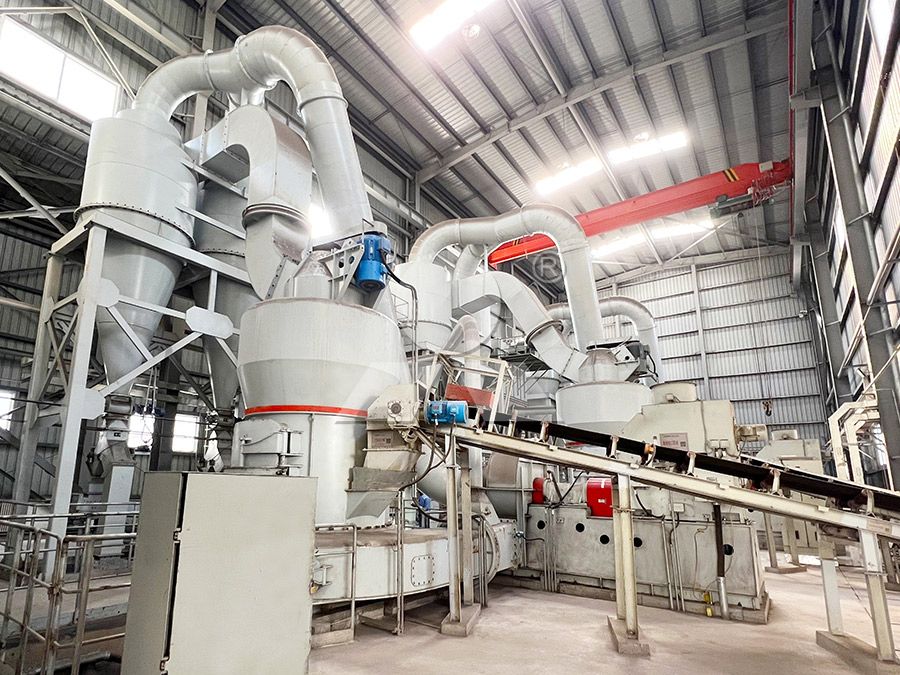
Processor experience has demonstrated that the combination of higher yield, lower energy consumption, and reduced maintenance requirements typically delivers return on investment within 12-18 months of operation, depending on production volume and local energy costs. The availability of genuine spare parts and comprehensive technical support further enhances operational reliability, minimizing unexpected downtime and protecting production targets.
Future Outlook
As serpentine applications continue to diversify across industrial sectors, the demand for precisely controlled particle characteristics will only intensify. Advanced grinding technologies that offer flexibility, efficiency, and reliability will remain essential tools for processors seeking competitive advantage. Continuous innovation in grinding mechanics, control systems, and operational intelligence promises further improvements in serpentine processing economics and product quality.
Frequently Asked Questions
What makes serpentine ore particularly challenging to grind?
Serpentine’s fibrous structure, variable hardness, and tendency to generate heat during processing create unique challenges. The mineral’s softness can lead to packing and inefficient grinding in conventional mills, while heat generation may alter chemical properties.
How does the MW Ultrafine Grinding Mill address heat generation during serpentine processing?
The mill’s optimized grinding curve and efficient air flow management dissipate heat effectively, while the absence of internal bearings eliminates a significant heat source. The system maintains consistent temperature control throughout the grinding chamber.
What particle size range can be achieved with modern grinding systems?
Advanced systems like the MW Ultrafine Grinding Mill can produce particles ranging from 325 to 2500 meshes (approximately 45 to 5 microns), allowing precise targeting of specific application requirements.
How significant are the energy savings with advanced grinding technology?
Modern ultrafine grinding mills typically reduce energy consumption by 30-50% compared to conventional systems, while simultaneously increasing production capacity by up to 40%.
What maintenance requirements should be anticipated?
The elimination of rolling bearings and screws in the grinding chamber significantly reduces maintenance needs. External lubrication systems allow continuous operation, with typical maintenance limited to scheduled inspections and wear part replacement after extensive operation.
Can the same equipment process different mineral types?
Yes, advanced grinding systems are designed for versatility and can process various non-metallic minerals including limestone, calcite, dolomite, and talc with minimal adjustment requirements.
How does the equipment handle variations in feed material moisture content?
Integrated drying capabilities and optimized air flow management allow effective processing of materials with varying moisture levels, though optimal performance typically requires moisture content below specified thresholds.
What environmental considerations are addressed by modern grinding systems?
Advanced systems incorporate comprehensive dust collection, noise reduction technologies, and efficient energy utilization to minimize environmental impact and ensure compliance with regulatory standards.