
Efficient Grinding Solutions for Ningxia Alumina Residue Processing
We provide a wide range of mills — including Raymond mill, trapezoidal mill, vertical mill, ultrafine mill, and ball mill, obtained ISO9001 international quality certification, EU CE certification, and Customs Union CU-TR certification. Suitable for processing minerals such as limestone, phosphate, quicklime, kaolin, talc, barite, bentonite, calcium carbonate, dolomite, coal, gypsum, clay, carbon black, slag, cement raw materials, cement clinker, and more.
The discharge range of these mills can be adjusted to meet specific processing needs, typically from 80-400 mesh, 600-3250 mesh, and can achieve the finest particle size of up to 6000 mesh(D50).
If you are looking for a reliable grinding solution to turn stone or minerals into fine powder, please feel free to contact our online customer service.
Addressing the Alumina Residue Challenge in Ningxia
The processing of alumina residue, a by-product of the Bayer process, presents significant challenges for industries in the Ningxia region. This material requires specialized grinding equipment capable of handling its abrasive nature while maintaining operational efficiency and environmental compliance. Traditional grinding methods often fall short in achieving the desired fineness and throughput for effective residue utilization or disposal.
Technical Requirements for Effective Residue Grinding
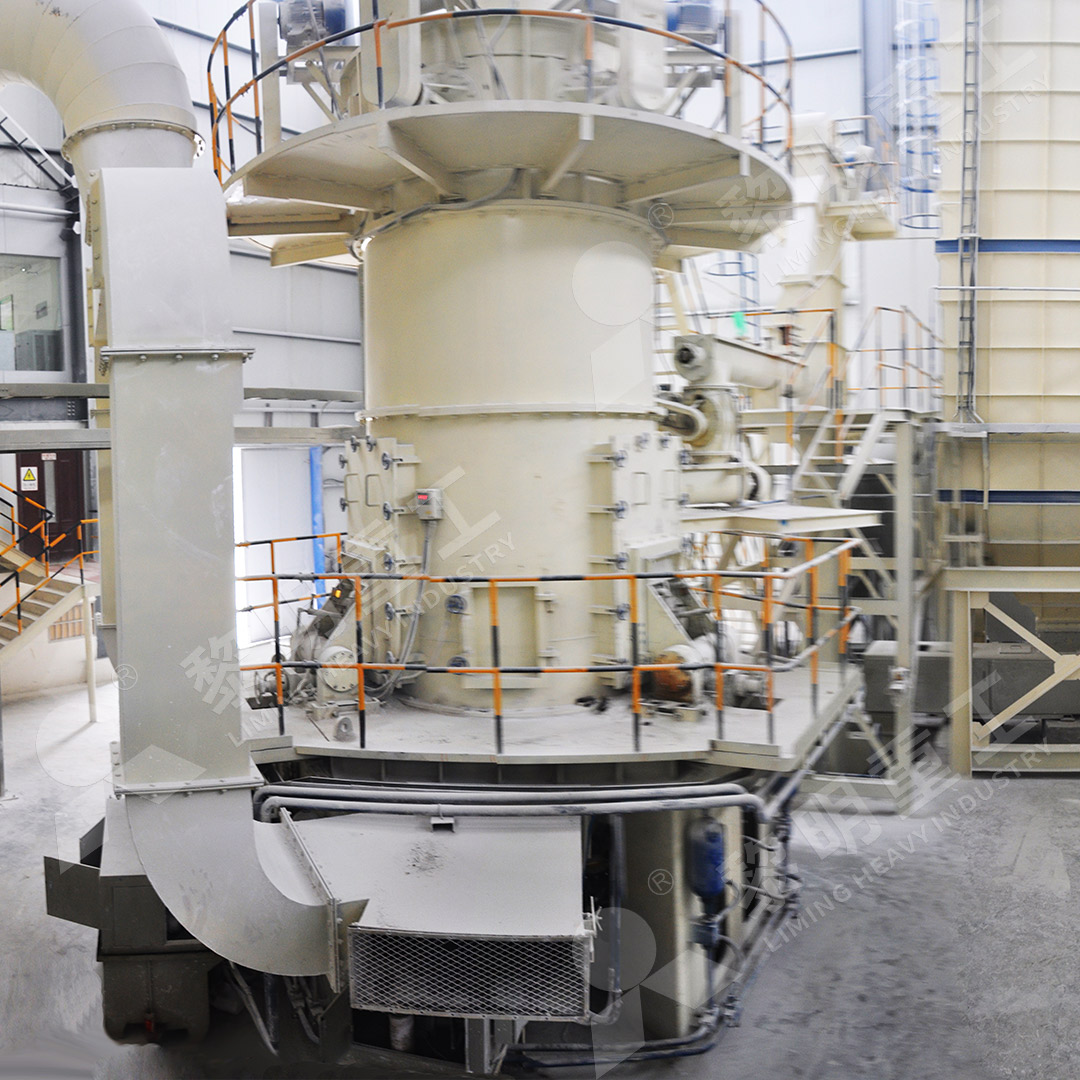
Successful processing of alumina residue demands equipment with robust construction, high wear resistance, and precise particle size control. The grinding system must handle input sizes up to 20mm while achieving throughput capacities between 0.5-25 tons per hour. Additionally, environmental considerations require dust collection systems and noise reduction features to meet stringent regional regulations.
Advanced Grinding Technology for Superior Results
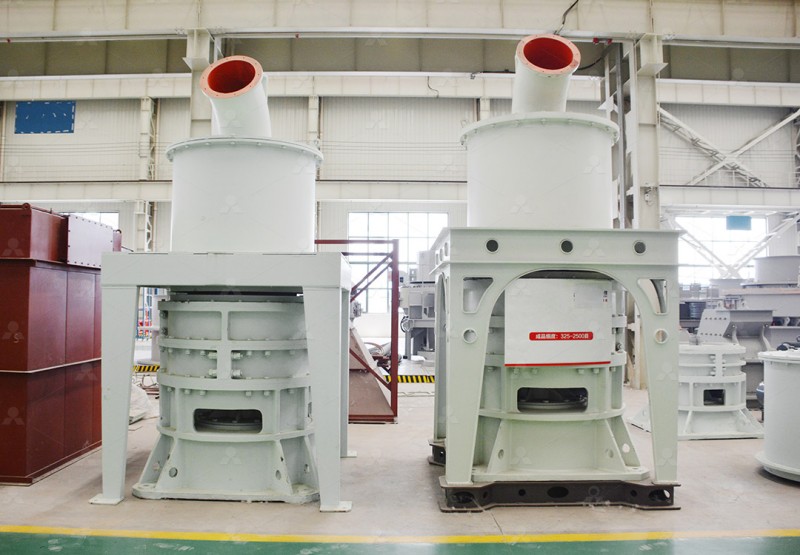
For operations in Ningxia seeking to optimize their alumina residue processing, the MW Ultrafine Grinding Mill presents an ideal solution. This equipment features several technological advancements specifically beneficial for abrasive materials like alumina residue:
- Higher yielding capacity with 40% increased production compared to jet grinding mills
- Adjustable fineness between 325-2500 meshes with precision powder selection
- No rolling bearings or screws in the grinding chamber, eliminating common failure points
- Efficient pulse dust collector ensuring environmentally friendly operation
- External lubrication system allowing continuous 24-hour operation
Operational Advantages for Ningxia Facilities
The MW Ultrafine Grinding Mill’s design specifically addresses the challenges posed by alumina residue. Its unique grinding curve configuration enhances efficiency while reducing energy consumption by up to 30% compared to conventional systems. The German-designed cage-type powder selector ensures consistent particle size distribution, critical for downstream processing or disposal requirements.
Environmental Compliance and Sustainability
Ningxia operations must adhere to strict environmental standards, making the MW Mill’s integrated pulse dust collector and noise reduction features particularly valuable. The closed-system operation prevents dust emissions while the automated controls minimize operator exposure to processing environments.
Implementation Considerations
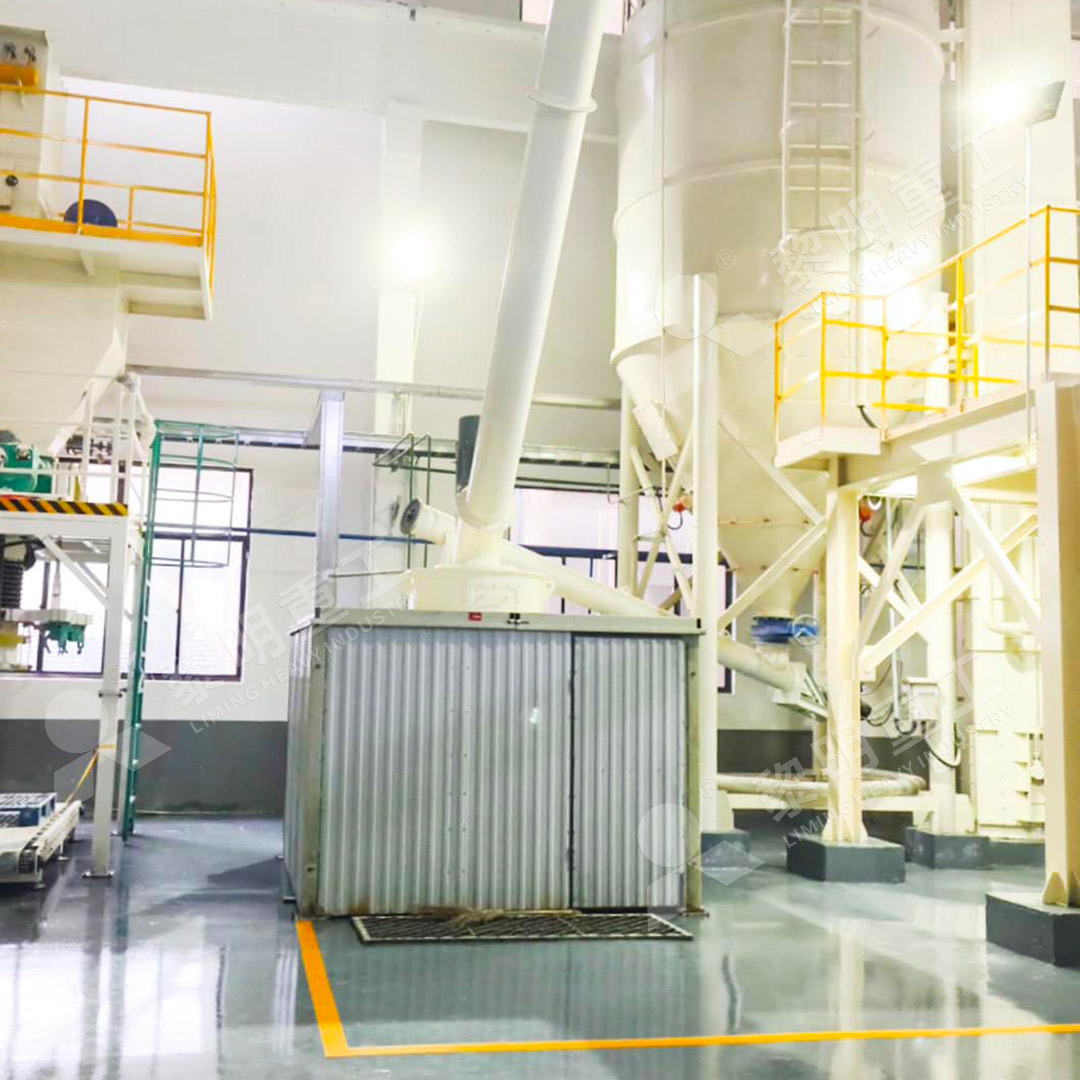
When implementing the MW Ultrafine Grinding Mill for alumina residue processing, facilities should consider material characteristics, desired output specifications, and integration with existing processes. The equipment’s flexibility allows customization of grinding parameters to achieve optimal results for specific residue compositions common in the Ningxia region.
Conclusion
The processing of alumina residue in Ningxia requires specialized equipment that combines high efficiency, environmental compliance, and operational reliability. The MW Ultrafine Grinding Mill meets these requirements through advanced engineering and proven performance in challenging industrial applications. By adopting this technology, operations can achieve superior grinding results while maintaining compliance with regional environmental standards.