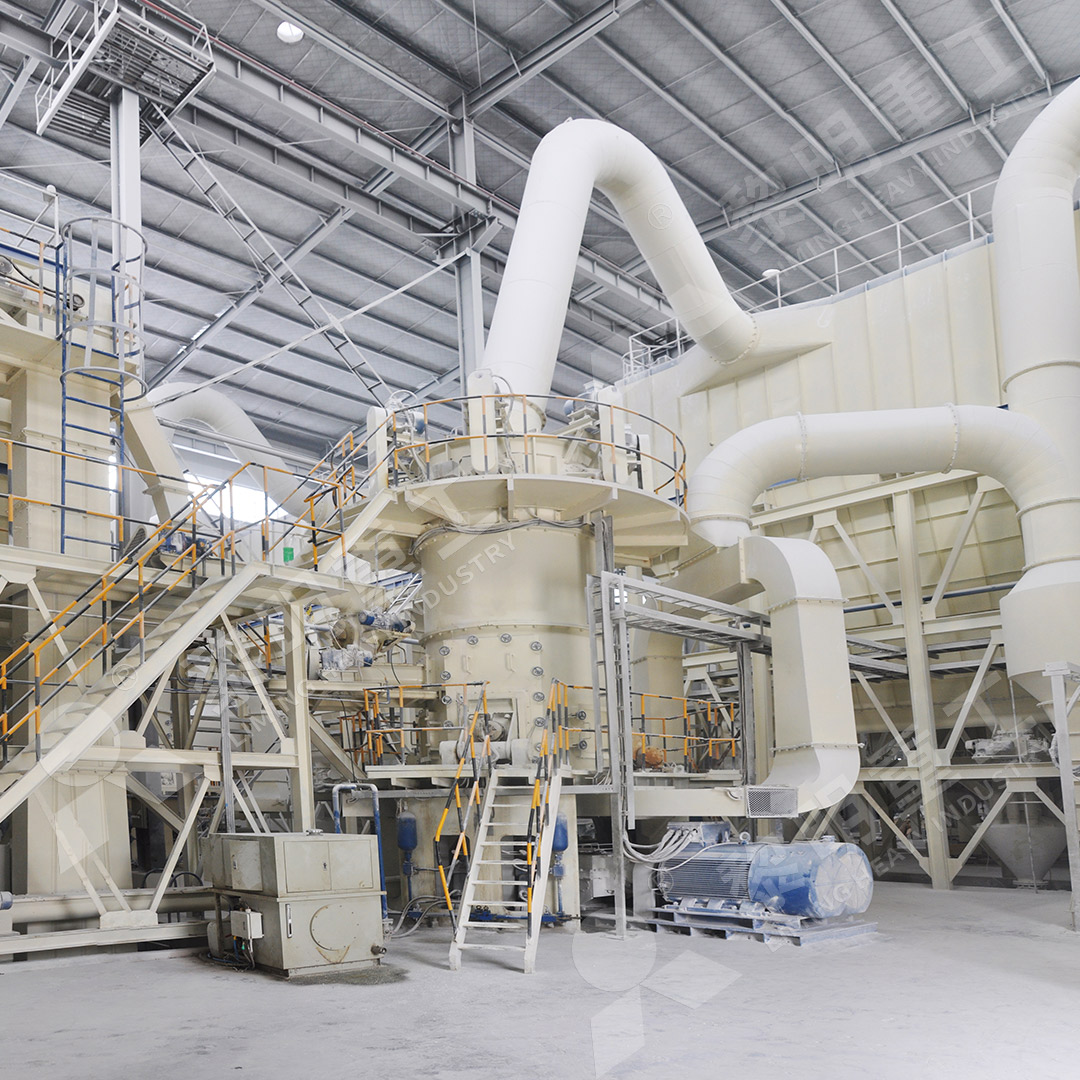
Efficient Continuous Kaolin Grinding System for High-Quality Powder Production
We provide a wide range of mills — including Raymond mill, trapezoidal mill, vertical mill, ultrafine mill, and ball mill, obtained ISO9001 international quality certification, EU CE certification, and Customs Union CU-TR certification. Suitable for processing minerals such as limestone, phosphate, quicklime, kaolin, talc, barite, bentonite, calcium carbonate, dolomite, coal, gypsum, clay, carbon black, slag, cement raw materials, cement clinker, and more.
The discharge range of these mills can be adjusted to meet specific processing needs, typically from 80-400 mesh, 600-3250 mesh, and can achieve the finest particle size of up to 6000 mesh(D50).
If you are looking for a reliable grinding solution to turn stone or minerals into fine powder, please feel free to contact our online customer service.
Efficient Continuous Kaolin Grinding System for High-Quality Powder Production
In the realm of industrial mineral processing, kaolin stands out as a versatile material widely used in ceramics, paper, paints, and cosmetics. To meet the growing demand for high-quality kaolin powder, an efficient and continuous grinding system is essential. This article explores the advanced technologies and equipment that ensure superior kaolin grinding performance, with a focus on LIMING’s cutting-edge solutions.
The Importance of Efficient Kaolin Grinding
Kaolin, a soft white clay mineral, requires precise grinding to achieve the desired fineness and purity. Traditional grinding methods often fall short in terms of energy efficiency, product consistency, and environmental impact. Modern grinding systems, however, leverage innovative designs to overcome these challenges, delivering ultra-fine powders with minimal energy consumption and environmental footprint.
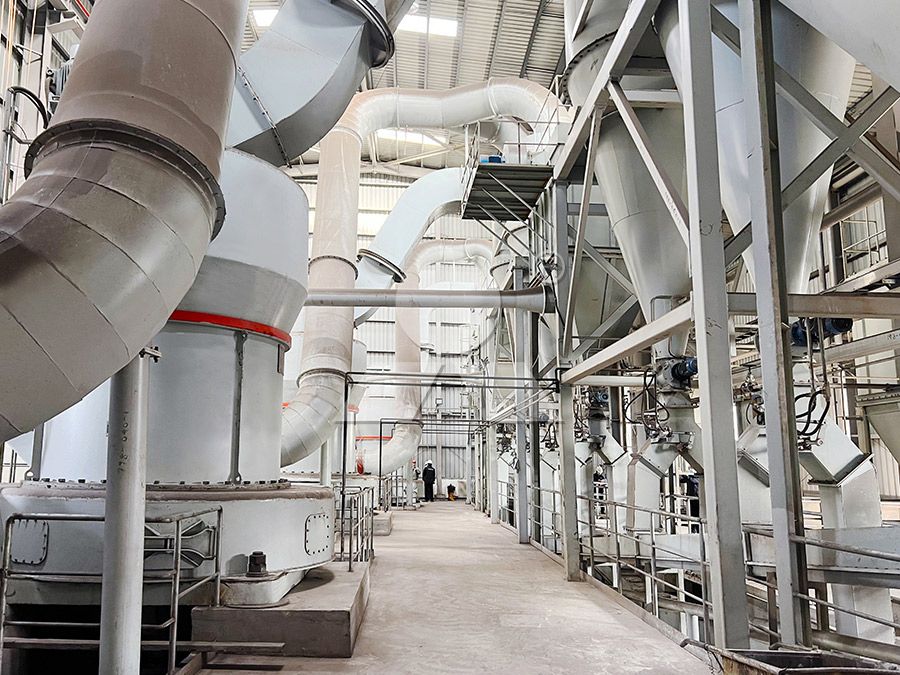
Key Features of an Advanced Kaolin Grinding System
An ideal kaolin grinding system should incorporate the following features:
- High Grinding Efficiency: Advanced roller and ring designs enhance grinding performance, reducing energy consumption while increasing output.
- Adjustable Fineness: The ability to control particle size (e.g., 325-2500 meshes) ensures the powder meets specific application requirements.
- Eco-Friendly Operation: Integrated dust collectors and noise reduction systems minimize environmental impact.
- Low Maintenance: Robust construction and external lubrication systems reduce downtime and operational costs.
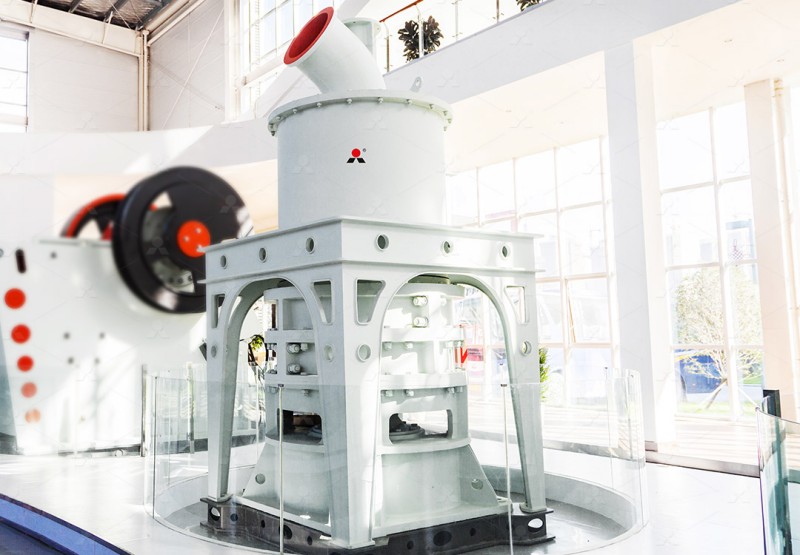
Recommended Product: MW Ultrafine Grinding Mill
For kaolin grinding, LIMING’s MW Ultrafine Grinding Mill is a standout choice. This mill is engineered to produce ultra-fine powders with exceptional efficiency. Key specifications include:
- Input Size: 0-20 mm
- Capacity: 0.5-25 tph
- Fineness: Adjustable between 325-2500 meshes
The MW Ultrafine Grinding Mill boasts a 40% higher production capacity compared to traditional jet mills, while consuming only 30% of the energy. Its cage-type powder selector, based on German technology, ensures precise particle separation, achieving a screening rate of d97≤5μm in a single pass.
Why Choose LIMING’s Grinding Solutions?
LIMING’s grinding mills are designed with a focus on performance, sustainability, and user convenience. The MW Ultrafine Grinding Mill exemplifies these principles with features like:
- No Rolling Bearings in the Grinding Chamber: Eliminates concerns about bearing damage or loose screws.
- Pulse Dust Collector: Ensures dust-free operation, complying with environmental standards.
- Digitalized Processing: High-precision machining of core components guarantees reliability.
For applications requiring even higher efficiency, the LUM Ultrafine Vertical Grinding Mill is another excellent option. With a capacity of 5-18 tph and advanced powder-separating technology, it is ideal for superfine kaolin powder production.
Conclusion
Investing in a high-performance kaolin grinding system is crucial for industries demanding ultra-fine, consistent powder. LIMING’s MW Ultrafine Grinding Mill and LUM Ultrafine Vertical Grinding Mill offer unmatched efficiency, eco-friendliness, and ease of maintenance, making them the preferred choices for modern mineral processing.