
Effective Moisture Control in Kaolin Milling: Preventing Clogging and Improving Efficiency
We provide a wide range of mills — including Raymond mill, trapezoidal mill, vertical mill, ultrafine mill, and ball mill, obtained ISO9001 international quality certification, EU CE certification, and Customs Union CU-TR certification. Suitable for processing minerals such as limestone, phosphate, quicklime, kaolin, talc, barite, bentonite, calcium carbonate, dolomite, coal, gypsum, clay, carbon black, slag, cement raw materials, cement clinker, and more.
The discharge range of these mills can be adjusted to meet specific processing needs, typically from 80-400 mesh, 600-3250 mesh, and can achieve the finest particle size of up to 6000 mesh(D50).
If you are looking for a reliable grinding solution to turn stone or minerals into fine powder, please feel free to contact our online customer service.
Effective Moisture Control in Kaolin Milling: Preventing Clogging and Improving Efficiency
Kaolin, a vital industrial mineral, presents unique challenges during the milling process, with moisture content being a primary concern for operators worldwide. Excessive moisture can lead to material agglomeration, clogging of grinding chambers, and a significant drop in production efficiency. This article explores practical strategies for moisture management and highlights advanced milling technologies designed to handle such demanding applications.
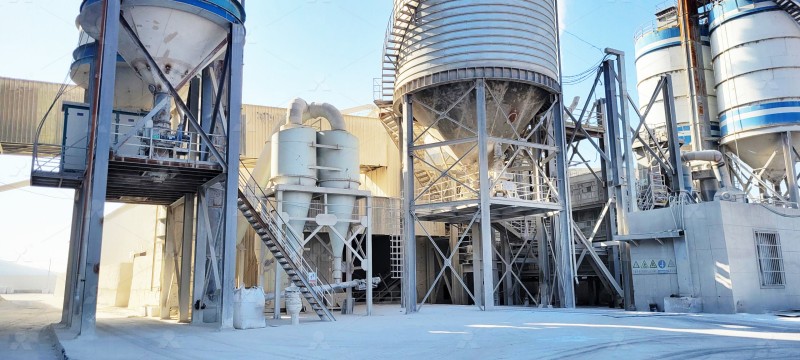
The Critical Impact of Moisture on Kaolin Processing
When kaolin enters the milling system with elevated moisture levels, several operational issues emerge. The material tends to adhere to grinding surfaces, reducing the effective grinding area and increasing energy consumption. In severe cases, moisture can create a paste-like consistency that completely blocks material flow through the mill. This not only halts production but necessitates costly downtime for manual cleaning and system restoration.
Beyond immediate operational disruptions, uncontrolled moisture affects final product quality. Variations in moisture content lead to inconsistent particle size distribution, compromising the kaolin’s performance in applications ranging from paper coating to ceramic production. The ideal moisture range for efficient kaolin milling typically falls between 2-8%, depending on the specific mineral composition and desired fineness.
Integrated Solutions for Moisture Management
Modern milling systems address moisture challenges through integrated design features that combine grinding and drying operations. The key lies in maintaining optimal temperature and airflow throughout the process. By introducing controlled heat at strategic points in the system, operators can evaporate excess moisture while simultaneously achieving the target particle size reduction.
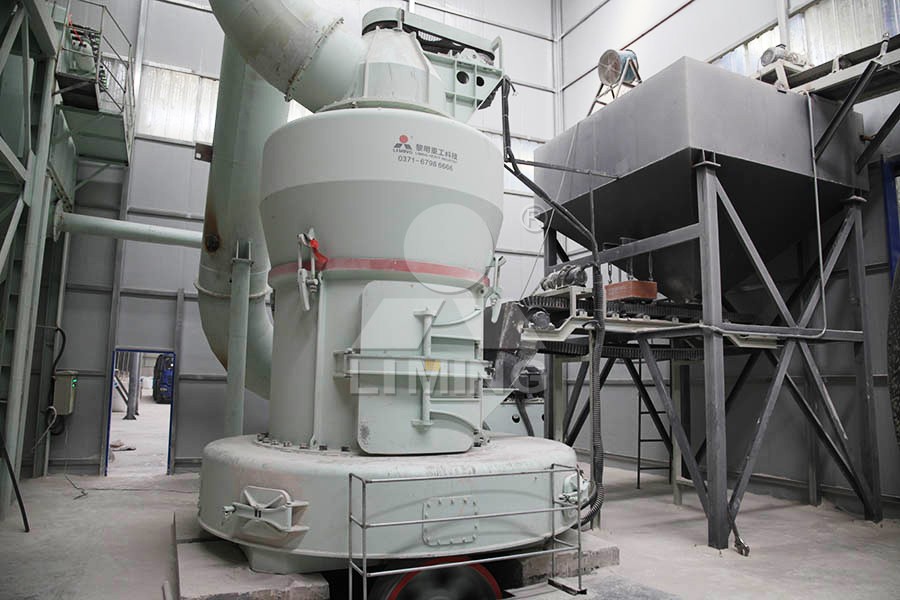
For operations requiring precise moisture control alongside ultra-fine grinding, the MW Ultrafine Grinding Mill offers a compelling solution. This advanced system handles input materials up to 20 mm with capacities ranging from 0.5 to 25 tph, making it suitable for various production scales. Its innovative design incorporates efficient air flow management that facilitates moisture evaporation during the grinding process. The absence of rolling bearings and screws in the grinding chamber eliminates potential failure points that are particularly vulnerable in moist environments.
Advanced Technology for Demanding Applications
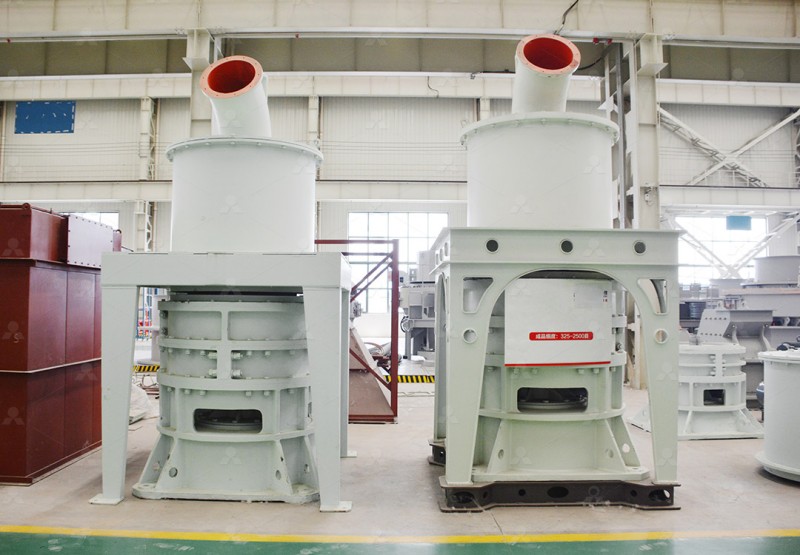
The MW Ultrafine Grinding Mill’s cage-type powder selector, incorporating German technology, ensures precise particle separation even when processing materials with variable moisture content. This feature is crucial for maintaining consistent product quality when feedstock characteristics fluctuate. The mill’s ability to adjust fineness between 325-2500 meshes provides operators with flexibility to meet diverse customer specifications.
Another significant advantage is the external lubrication system, which allows maintenance without production stoppages. This is particularly valuable in kaolin processing, where unexpected downtime can disrupt carefully managed drying schedules. The integrated pulse dust collector further enhances operational stability by preventing moisture-related dust agglomeration that can compromise dust control systems.
Operational Best Practices
Successful moisture management begins before material even enters the mill. Pre-drying strategies, such as storing kaolin in controlled environments or using preliminary drying equipment, can significantly reduce the moisture load on the grinding system. Implementing regular moisture monitoring at multiple points in the process allows operators to make real-time adjustments to temperature and feed rates.
For operations considering equipment upgrades, the MW series represents a technological leap forward. Its higher yielding capacity at lower energy consumption—reportedly 40% higher production capacity compared to jet mills with only 30% of the energy consumption—makes it an economically attractive option for kaolin processors seeking to optimize both moisture control and operational efficiency.
Frequently Asked Questions
What is the maximum moisture content the MW Ultrafine Grinding Mill can handle?
While performance varies with specific material characteristics, the MW mill effectively processes kaolin with moisture content up to 10-12% when equipped with appropriate heating and airflow systems. For higher moisture levels, preliminary drying is recommended.
How does the mill prevent material buildup in humid conditions?
The design minimizes flat surfaces where material can accumulate, and the optimized airflow creates a self-cleaning effect. The absence of internal screws and complex mechanisms reduces potential clogging points.
Can the same mill handle both drying and grinding operations?
Yes, the MW Ultrafine Grinding Mill is designed for simultaneous drying and grinding when configured with integrated heating systems. This capability significantly reduces the need for separate drying equipment.
What maintenance considerations are specific to moist kaolin processing?
Regular inspection of air pathways and filters is essential, as moist material can gradually accumulate in these areas. The external lubrication system simplifies routine maintenance without interrupting production.
How does moisture affect the final product fineness?
Excessive moisture typically results in coarser products due to reduced grinding efficiency. The MW mill’s adjustable separator helps compensate for these variations, maintaining consistent quality across different moisture conditions.