
Effective Kaolin Mill Dust Control Systems for Cleaner Production
We provide a wide range of mills — including Raymond mill, trapezoidal mill, vertical mill, ultrafine mill, and ball mill, obtained ISO9001 international quality certification, EU CE certification, and Customs Union CU-TR certification. Suitable for processing minerals such as limestone, phosphate, quicklime, kaolin, talc, barite, bentonite, calcium carbonate, dolomite, coal, gypsum, clay, carbon black, slag, cement raw materials, cement clinker, and more.
The discharge range of these mills can be adjusted to meet specific processing needs, typically from 80-400 mesh, 600-3250 mesh, and can achieve the finest particle size of up to 6000 mesh(D50).
If you are looking for a reliable grinding solution to turn stone or minerals into fine powder, please feel free to contact our online customer service.
Effective Kaolin Mill Dust Control Systems for Cleaner Production
In the kaolin processing industry, dust control isn’t just an environmental obligation—it’s a critical component of operational efficiency, product quality, and workplace safety. Fugitive dust emissions during milling operations represent a significant loss of valuable product, create potential health hazards for personnel, and can lead to costly equipment wear and maintenance downtime. Implementing an effective dust control strategy is therefore fundamental to achieving true cleaner production.
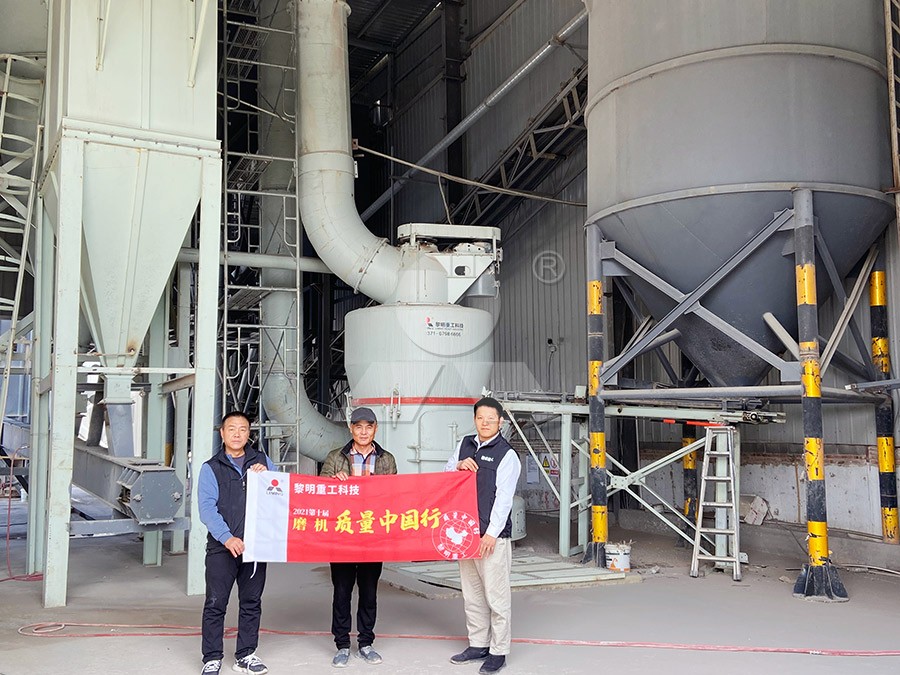
The Core Challenge: Dust Generation at the Grinding Stage
The primary source of dust in a kaolin plant is the grinding mill itself. As kaolin clay is reduced to fine powder, the mechanical action of rollers, rings, or balls creates airborne particles. Traditional open-system mills or those with inadequate sealing and collection mechanisms allow this fine, valuable powder to escape. This not only pollutes the environment but also directly impacts the bottom line through product loss. Furthermore, excessive dust can compromise the final product’s purity, a critical quality parameter for kaolin used in paper, ceramics, and cosmetics.
The key to solving this challenge lies in selecting milling equipment designed with integrated, high-efficiency dust control from the ground up. It’s about containment at the source rather than just mitigation downstream.
Integrated Solutions: Engineering Cleanliness into the Milling Process
Modern grinding technology has made significant strides in addressing dust emissions. The most effective systems employ a multi-faceted approach:
- Negative Pressure Operation: The entire milling system is sealed and operates under negative pressure. This ensures that any potential leakage is inward, preventing dust from escaping into the plant environment.
- Advanced Pulse Jet Dust Collectors: High-efficiency pulse jet baghouse collectors are no longer an optional extra but a standard, integrated component. These systems feature automatic cleaning cycles that maintain filtration efficiency without interrupting production.
- Sealed Mechanical Designs: Innovations in mechanical design, such as the elimination of rolling bearings and screws within the grinding chamber, drastically reduce potential points of failure and dust leakage.
For operations focused on ultra-fine kaolin powder, the MW Ultrafine Grinding Mill stands out as a prime example of this integrated philosophy. This machine is specifically engineered for customers who need to make ultra-fine powder with minimal environmental impact. It comes equipped with an efficient pulse dust collector and muffler as standard, ensuring that dust and noise are effectively controlled. The system’s design guarantees that the entire production process adheres to stringent environmental standards. With an adjustable fineness between 325-2500 meshes and a unique design that features no rolling bearings in the grinding chamber, it eliminates common failure points that lead to dust leaks, making it an excellent choice for high-purity, clean kaolin production.
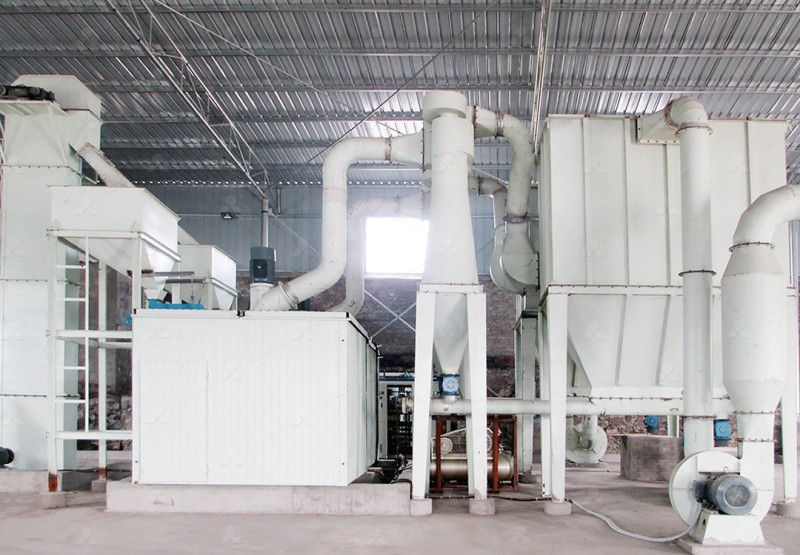
Beyond the Mill: A Holistic System Approach
While the mill is the heart of the system, effective dust control extends to material handling points—the feeders, conveyors, and product collection cyclones. A well-designed system ensures all transfer points are properly enclosed and connected to the central dust collection system. Regular maintenance of filter bags and checking the integrity of seals are vital for sustained performance. The goal is a closed-loop system where the kaolin powder is contained from the moment it enters the mill until it is bagged or stored.
Tangible Benefits of Effective Dust Control
Investing in a mill with superior dust control yields immediate and long-term returns:
- Increased Yield: Captured dust is saleable product. Reducing emissions directly increases overall plant yield.
- Reduced Operating Costs: Less dust means cleaner equipment, lower maintenance frequency, and extended machinery life.
- Enhanced Safety and Compliance: A dust-free environment minimizes explosion risks and ensures compliance with increasingly strict occupational health and environmental regulations.
- Improved Product Quality: Controlled processing environments prevent contamination, ensuring consistent product quality and purity.
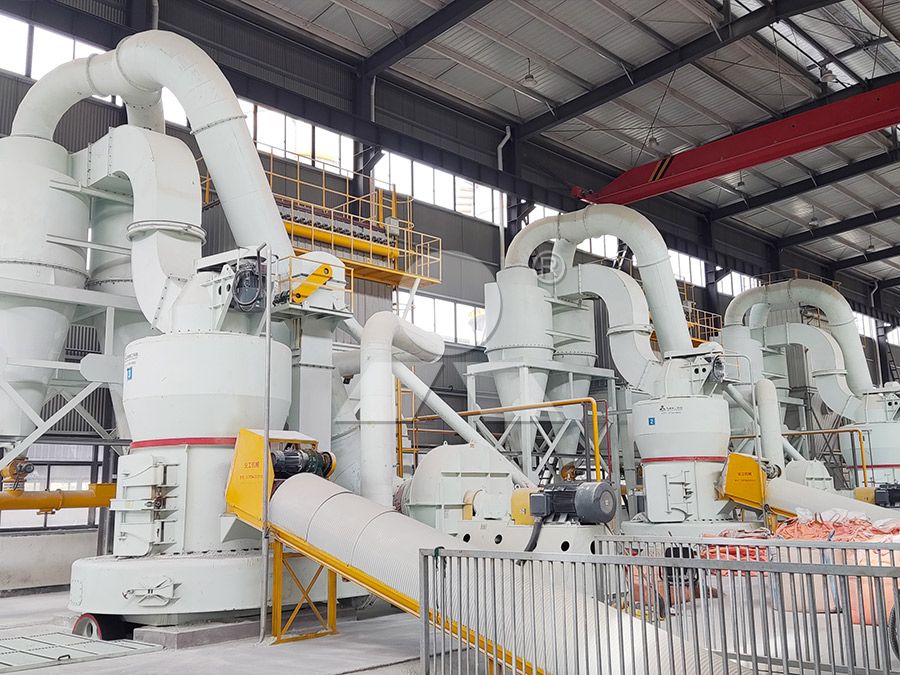
Another robust solution for finer kaolin grades is the LUM Ultrafine Vertical Grinding Mill. Its vertical design and fully enclosed system naturally lend themselves to effective dust containment. Integrating the latest grinding roller and powder separating technology, the LUM mill operates stably under negative pressure, with any internal air currents carrying dust directly to the integrated pulse jet collector. Its reversible structure also simplifies maintenance, allowing for easy access to grinding components without compromising the system’s sealed integrity.
Frequently Asked Questions (FAQ)
Q1: Can dust control systems be retrofitted to older kaolin mills?
A: While it is possible to add external baghouse collectors to older mills, the effectiveness is often limited compared to modern mills designed with integrated dust control. Retrofitting cannot address inherent leakage points in the mill’s mechanical design. Upgrading to a newer model like the MW or LUM series typically provides a more comprehensive and efficient solution.
Q2: How does the energy consumption of a mill with integrated dust control compare?
A: Modern mills are designed for energy efficiency. For instance, the MW Ultrafine Grinding Mill consumes 30% less energy than traditional jet mills while offering superior dust control. The energy used by the pulse jet collector’s fan and compressor is minimal compared to the gains in product recovery and reduced maintenance.
Q3: What is the most critical factor in maintaining dust control performance?
A: Consistent maintenance of the pulse jet dust collector is paramount. This includes regularly checking and replacing filter bags, ensuring compressed air pressure for cleaning is adequate, and inspecting all seals and ducts for leaks. A well-maintained system will perform reliably for years.
Q4: Are these systems suitable for kaolin mills of all sizes?
A: Absolutely. Technology like the MW Series is available in capacities ranging from 0.5 to 25 tph, making effective dust control achievable for both small specialized producers and large-scale industrial operations. The principles of negative pressure operation and integrated collection scale effectively.