
Durable and Cost-Effective Vertical Mill for Industrial Grinding
We provide a wide range of mills — including Raymond mill, trapezoidal mill, vertical mill, ultrafine mill, and ball mill, obtained ISO9001 international quality certification, EU CE certification, and Customs Union CU-TR certification. Suitable for processing minerals such as limestone, phosphate, quicklime, kaolin, talc, barite, bentonite, calcium carbonate, dolomite, coal, gypsum, clay, carbon black, slag, cement raw materials, cement clinker, and more.
The discharge range of these mills can be adjusted to meet specific processing needs, typically from 80-400 mesh, 600-3250 mesh, and can achieve the finest particle size of up to 6000 mesh(D50).
If you are looking for a reliable grinding solution to turn stone or minerals into fine powder, please feel free to contact our online customer service.
Durable and Cost-Effective Vertical Mill for Industrial Grinding
In the demanding world of industrial mineral processing, selecting the right grinding equipment is a critical decision that directly impacts operational efficiency, product quality, and the bottom line. The ideal solution must deliver consistent performance, withstand rigorous continuous operation, and minimize both capital expenditure and long-term operating costs. Among the various technologies available, vertical roller mills (VRMs) have emerged as a superior choice, offering a compelling combination of durability, energy efficiency, and operational simplicity that traditional ball mills or older Raymond mill designs struggle to match.
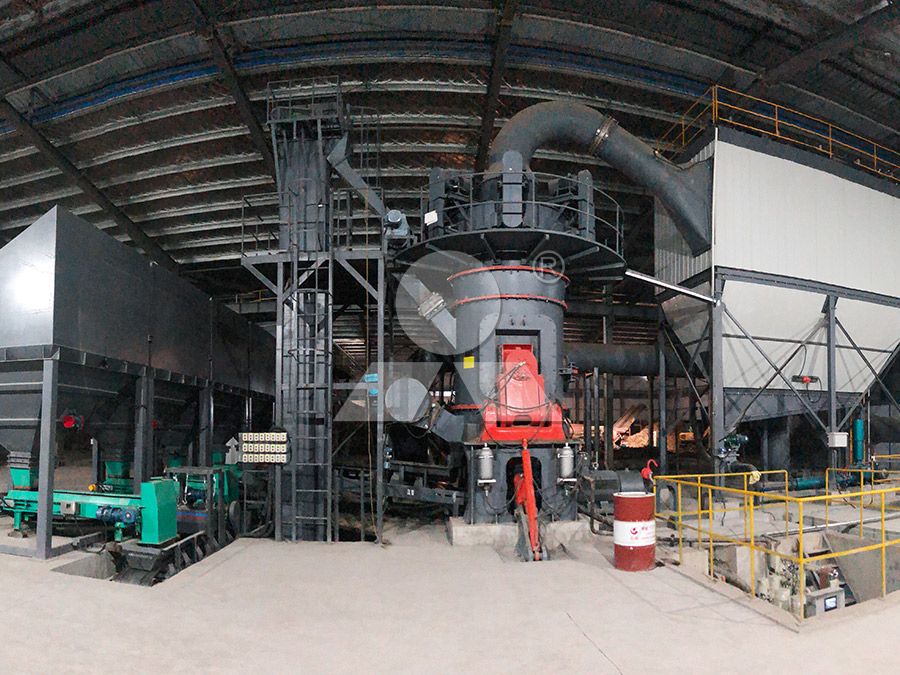
The Vertical Advantage: A Paradigm Shift in Grinding
The core principle of a vertical mill involves a bed of material being ground between rotating rollers and a stationary grinding table. This method is inherently more efficient than the impact and attrition of tumbling balls in a horizontal drum. The vertical configuration allows for simultaneous grinding, drying (with hot gas), classifying, and conveying within a single, compact unit. This integrated design drastically reduces the plant’s footprint—often by up to 50% compared to a ball mill system—and slashes the number of auxiliary components required, leading to lower initial investment and simplified layout.
Durability is engineered into modern vertical mills through robust construction and intelligent design. Key wear parts, such as grinding rollers and tables, are now manufactured from advanced wear-resistant alloys, extending service life by multiples compared to conventional materials. Furthermore, the grinding elements do not contact metal-to-metal during operation, significantly reducing mechanical wear and the risk of catastrophic failure. This design philosophy ensures extended run times with minimal unplanned downtime, a crucial factor for 24/7 industrial operations.
Key Features for Long-Term Value and Reliability
When evaluating a vertical mill for its cost-effectiveness, several features stand out as non-negotiable for modern operations:
- Advanced Grinding Geometry: The curve design of the roller and grinding table is paramount. An optimized curve promotes stable material bed formation and efficient grinding force transmission, leading to higher throughput and lower specific energy consumption per ton of product.
- Intelligent Powder Separation: A high-efficiency, dynamic classifier integrated into the mill top is essential. It allows for precise control over product fineness (from coarse to ultra-fine) and ensures only properly sized particles exit the grinding chamber, eliminating the energy waste of over-grinding.
- Robust Drive and Limiting Systems: Reliable gearing and the inclusion of mechanical and electronic limiting devices protect the mill from destructive vibrations or operational anomalies, such as sudden loss of feed, preventing expensive damage to core components.
- Eco-Conscious Operation: A fully sealed system operating under negative pressure, coupled with high-efficiency pulse-jet baghouse filters, ensures dust-free operation. This is no longer just an environmental consideration but a strict regulatory and workplace safety requirement.
- Ease of Maintenance: Designs that facilitate easy access to wear parts, such as swing-out roller modules or hydraulic systems for roller positioning, turn routine inspections and part replacements from days-long outages into swift, planned operations.
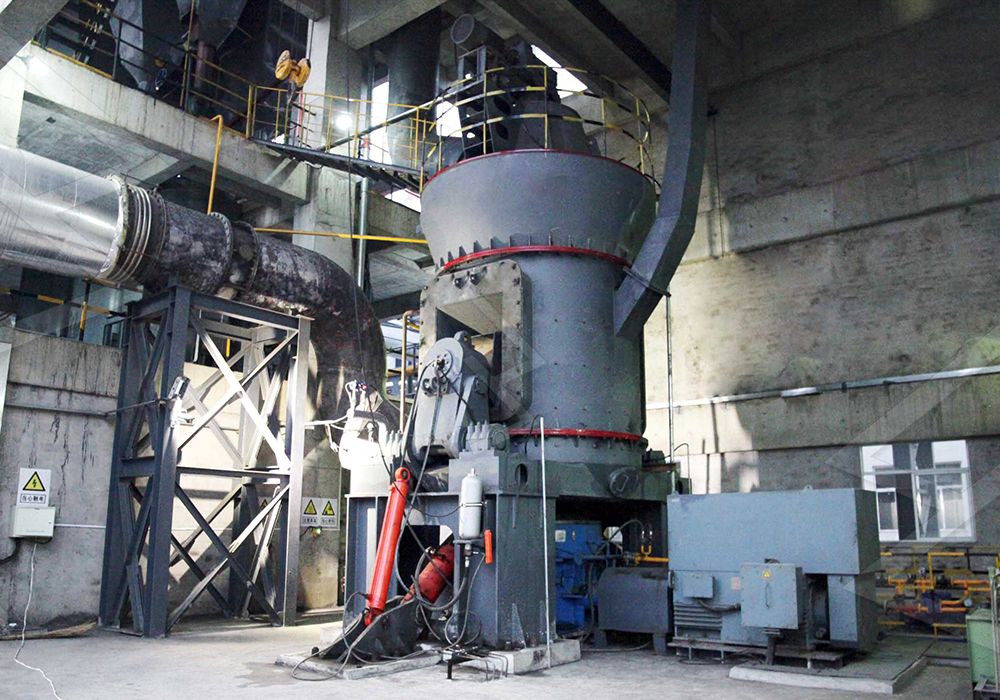
Engineered Solutions for Specific Demands
While the vertical mill principle is universal, specific applications demand tailored solutions. For high-volume processing of standard mineral powders like limestone, coal, or slag, a workhorse model with exceptional reliability and low operating cost is key. For industries requiring ultra-fine powders with high whiteness and purity—such as paints, coatings, plastics, and advanced ceramics—the technological demands shift towards precision particle size control and minimal iron contamination.
In the realm of ultra-fine grinding, the challenges of energy consumption, product contamination, and classification accuracy are magnified. A mill designed for this purpose must incorporate specialized technologies to address these issues directly. For instance, a mill that eliminates rolling bearings and screws within the grinding chamber entirely removes a primary source of potential contamination and mechanical failure points. Similarly, adopting a multi-head cage-type powder selector based on German technology allows for unparalleled fineness adjustment and separation accuracy, enabling production of powders from 325 to 2500 meshes with a tight particle size distribution.
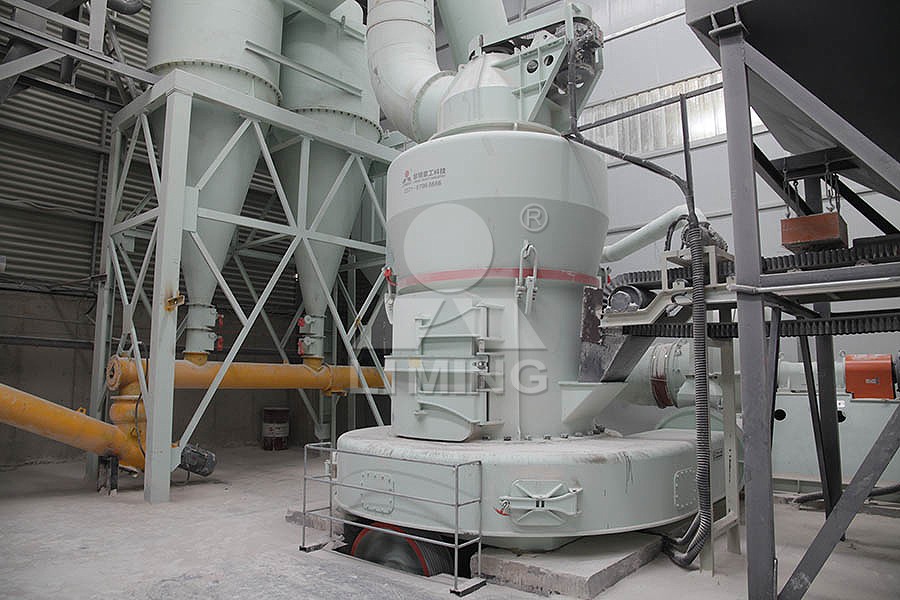
Recommended Solutions from Our Portfolio
Based on decades of engineering experience and a deep understanding of these industrial challenges, we offer vertical mills that epitomize durability and cost-effectiveness. For operations prioritizing ultra-fine powder production with exceptional environmental and operational standards, we highly recommend the MW Ultrafine Grinding Mill.
This mill is a technological standout, specifically engineered for customers who need to make high-quality ultra-fine powder. It handles an input size of 0-20 mm with a capacity range of 0.5-25 tph. Its defining feature is the absence of rolling bearings and screws in the grinding chamber, liberating users from concerns about bearing seal failures or loose screws causing damage. Lubrication can be performed externally without shutdown. Crucially, it is equipped with an efficient pulse dust collector and muffler, ensuring the entire production process meets stringent environmental standards. The integrated cage-type powder selector offers precise fineness control between 325-2500 meshes. With a design that yields 40% higher capacity than jet mills at only 30% of the energy consumption, the MW series represents a leap forward in efficient, clean, and reliable ultra-fine grinding.
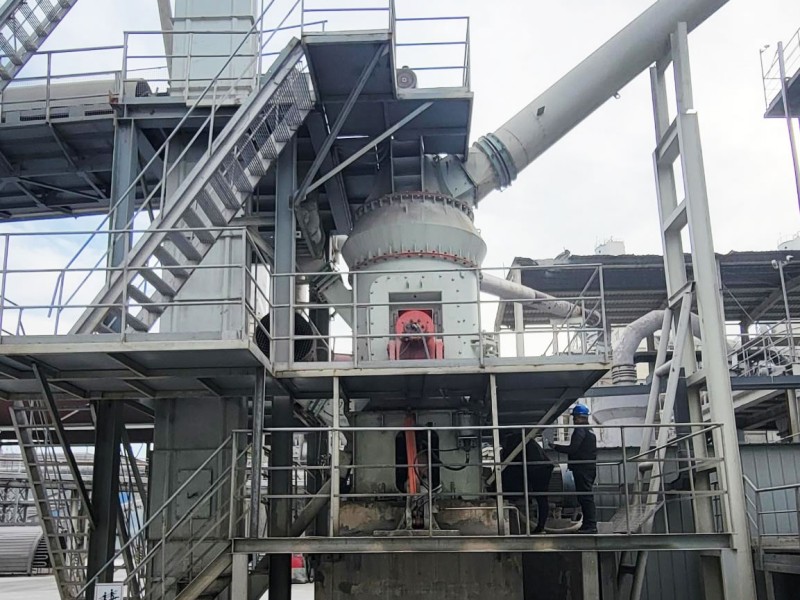
For applications requiring robust, large-scale grinding of non-metallic minerals, coal, or slag, the LM Vertical Grinding Mill is the industry benchmark. It integrates crushing, drying, grinding, classifying, and conveying into one unit, reducing the coverage area by 50% and saving energy by 30%-40% compared to ball mill systems. Its simple layout, strong drying capacity, and automated control system make it a comprehensively optimized solution for minimizing both capital and operating costs across cement, power, and metallurgical industries.
Conclusion: An Investment in Sustainable Productivity
Choosing a durable and cost-effective vertical mill is an investment that pays dividends throughout the equipment’s lifecycle. The move from traditional grinding systems to advanced vertical roller technology is driven by the undeniable economics of lower energy use, reduced maintenance, higher availability, and superior product quality. By selecting a mill designed with robust construction, intelligent features, and application-specific engineering, industries can secure a grinding solution that not only meets today’s production targets but also provides the reliability and efficiency to thrive in a competitive future.
Frequently Asked Questions (FAQ)
1. What are the primary cost-saving benefits of a vertical mill compared to a traditional ball mill?
Vertical mills offer significant savings in three key areas: Energy Consumption (30-50% lower due to more efficient grinding principles), Floor Space (up to 50% smaller footprint), and Wear Part Longevity (advanced alloys and non-contact grinding lead to longer intervals between replacements). The integrated drying and classifying functions also reduce the need for separate equipment.
2. How does the MW Ultrafine Grinding Mill prevent iron contamination in sensitive products like cosmetics or high-grade ceramics?
The MW Mill employs a unique design that removes common contamination sources. Crucially, there are no rolling bearings or screws inside the grinding chamber. Potential iron wear from these components is eliminated. Furthermore, the grinding roller and ring design minimizes metal-to-metal contact, and any minute wear particles can be easily separated by the high-precision powder selector, ensuring final product purity.
3. Can vertical mills handle moist materials, or is pre-drying required?
Yes, one of the core advantages of vertical roller mills is their ability to simultaneously grind and dry materials. Hot gases (up to 450°C) are introduced at the base of the mill and flow through the grinding bed, efficiently evaporating moisture. This eliminates the need for a separate, energy-intensive dryer, simplifying the process flow and saving capital and operational costs.
4. How complex is the maintenance for a modern vertical mill like the LM or MW series?
Maintenance is designed to be straightforward. Features like external lubrication points (MW series) and hydraulic systems for easy roller servicing (LM series) allow for critical checks and part replacements without extensive disassembly. The use of durable wear parts and protective limiting devices also reduces the frequency of unplanned maintenance, enabling predictable, planned shutdowns.
5. What level of product fineness can be achieved with your vertical mills?
Our range covers a broad spectrum. The LM Vertical Mill is typically used for fineness up to 400 mesh. For ultra-fine requirements, the MW Ultrafine Grinding Mill excels, offering adjustable fineness between 325 to 2500 meshes (approximately 45 to 5 microns), making it suitable for the most demanding high-value powder applications.
6. Are your mills compliant with modern environmental and noise regulations?
Absolutely. Environmental protection is a core design principle. All our mills feature fully sealed negative-pressure systems paired with high-efficiency pulse-jet dust collectors, ensuring dust emissions are far below international standards. Additionally, integrated mufflers and sound insulation measures are employed to keep operational noise to a minimum, protecting workers and the surrounding environment.