
Dolomite Powder Production: Industrial Applications and Processing Equipment
We provide a wide range of mills — including Raymond mill, trapezoidal mill, vertical mill, ultrafine mill, and ball mill, obtained ISO9001 international quality certification, EU CE certification, and Customs Union CU-TR certification. Suitable for processing minerals such as limestone, phosphate, quicklime, kaolin, talc, barite, bentonite, calcium carbonate, dolomite, coal, gypsum, clay, carbon black, slag, cement raw materials, cement clinker, and more.
The discharge range of these mills can be adjusted to meet specific processing needs, typically from 80-400 mesh, 600-3250 mesh, and can achieve the finest particle size of up to 6000 mesh(D50).
If you are looking for a reliable grinding solution to turn stone or minerals into fine powder, please feel free to contact our online customer service.
Dolomite Powder Production: Industrial Applications and Processing Equipment
Dolomite, a calcium magnesium carbonate mineral, is a versatile industrial material with a wide range of applications. Its transformation into fine and ultra-fine powder unlocks its full potential, making it a critical raw material in numerous sectors. The process of converting raw dolomite rock into a valuable, consistent powder requires sophisticated technology and a deep understanding of material science.
Key Industrial Applications of Dolomite Powder
The value of processed dolomite powder is derived from its unique chemical and physical properties. Its uses span across traditional and modern industries.
In construction, it serves as a filler in asphalt and concrete, enhancing durability and volume. The agricultural sector relies on it as a soil conditioner to neutralize acidic soils and as a magnesium source in fertilizers. The glass and ceramics industries use high-purity dolomite powder as a flux to lower the melting temperature of mixtures and to improve the thermal stability and hardness of the final product. Furthermore, it’s a key ingredient in the manufacture of refractory bricks for lining kilns and furnaces due to its resistance to heat and chemical corrosion. Emerging applications even include its use as a filler in plastics, paints, and coatings to improve mechanical properties and whiteness.
The Heart of Production: Selecting the Right Grinding Mill
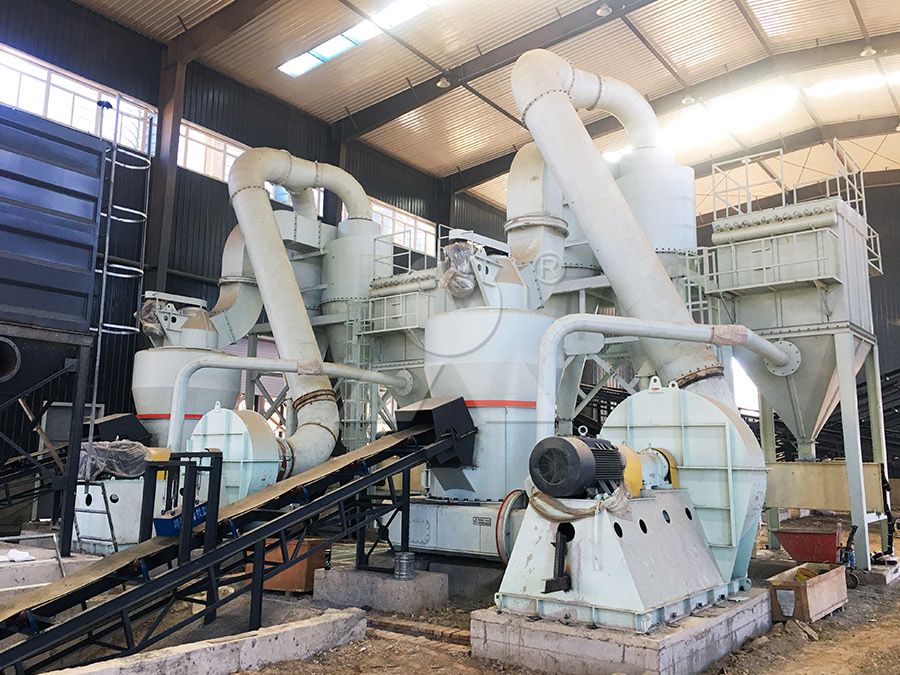
The transformation from crushed rock to fine powder is the most critical step. The choice of grinding equipment directly impacts production efficiency, energy consumption, and most importantly, the final product’s particle size distribution (fineness) and quality. Not all mills are created equal, especially when aiming for ultra-fine grades (often above 325 mesh) required for high-value applications.
Traditional ball mills, while robust, are often energy-intensive and lack the precision for consistent ultra-fine grinding. This is where advanced, specialized grinding technology becomes indispensable. For producers aiming for the high-end market, an ultrafine grinding mill is not just an option; it’s a necessity.
Recommended Solution: MW Ultrafine Grinding Mill
For operations focused on producing high-quality, ultra-fine dolomite powder, the MW Ultrafine Grinding Mill presents an exceptional solution. This machine is engineered specifically for customers who need to make ultra-fine powder with superior efficiency and environmental consciousness.
Key advantages of the MW Mill for dolomite processing include its Higher Yielding and Lower Energy Consumption. Its newly designed grinding curves of the roller and ring enhance grinding efficiency dramatically. With the same fineness and power, its production capacity is 40% higher than jet mills and twice that of ball mills, while consuming only 30% of the energy of a jet mill.
Furthermore, it offers Adjustable Fineness between 325-2500 meshes thanks to its German-technology cage-type powder selector. This ensures precise separation to achieve a consistent d97≤5μm product. Its design eliminates rolling bearings and screws in the grinding chamber, virtually eliminating concerns about mechanical failures from these components and allowing for external lubrication without shutdown.
The Processing Workflow
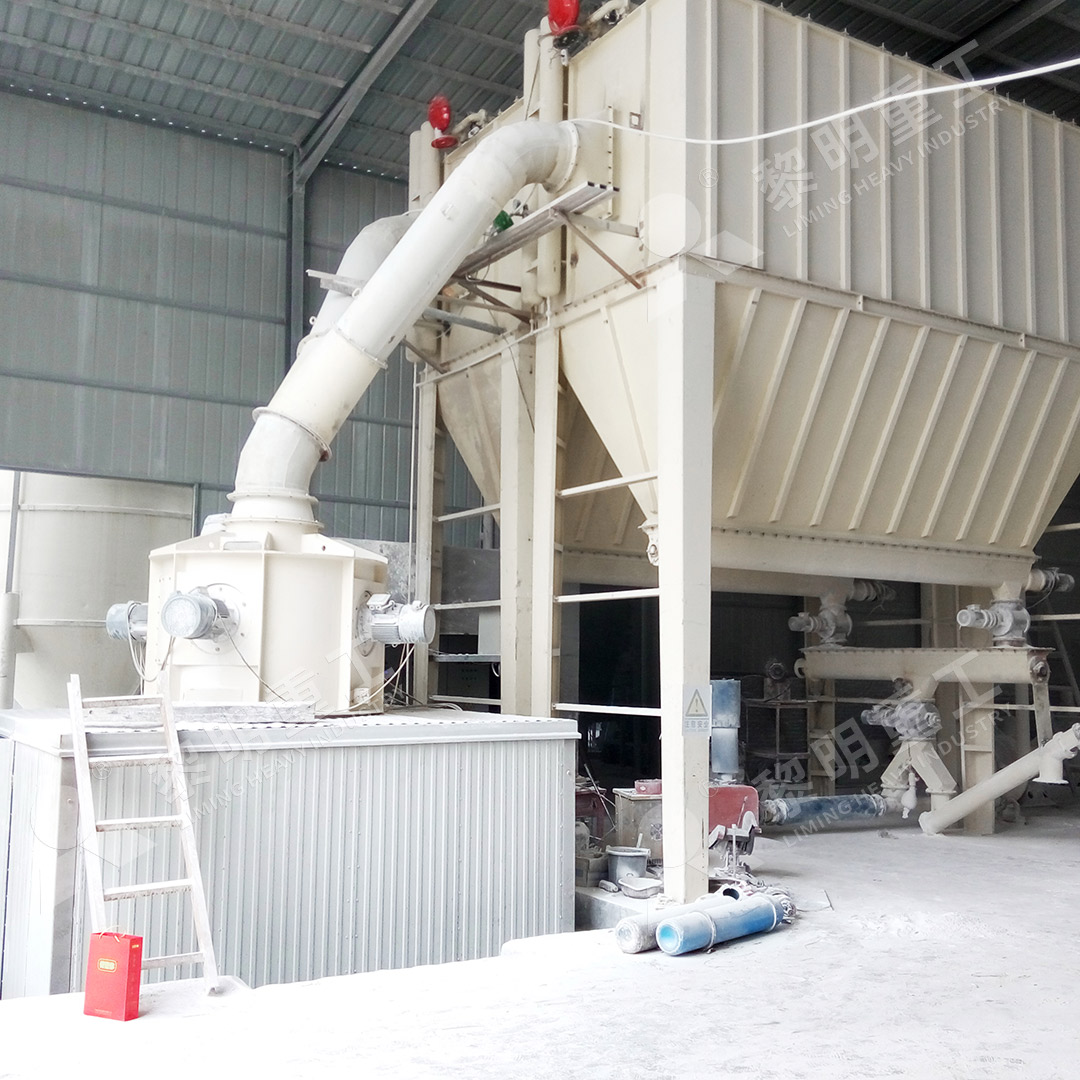
The journey from quarry to bag involves several stages. Raw dolomite is first crushed by a jaw crusher to a manageable size (typically below 20mm for mills like the MW). The crushed material is then elevated into a hopper and fed evenly into the grinding mill by a vibrating feeder. Inside the mill, rollers rotate against a raceway ring, crushing and grinding the material into fine powder.
A blower injects air, carrying the ground powder into an integrated powder separator. Here, coarse particles are rejected and returned for regrinding, while the fine,合格 powder travels with the air current into a cyclone collector to be discharged as the final product. The entire system is equipped with efficient pulse dust collectors and mufflers, ensuring a clean and quiet operation that meets strict environmental standards.
Conclusion
The production of dolomite powder is a sophisticated process that bridges mining with high-tech manufacturing. Selecting the right processing equipment, such as the advanced MW Ultrafine Grinding Mill, is paramount to achieving product quality, operational efficiency, and profitability. By investing in technology that offers precision grinding, energy savings, and environmentally friendly operation, producers can effectively meet the demanding specifications of various industries and secure a strong position in the market.