
Do Ball Mills Require Water for Coal Processing?
We provide a wide range of mills — including Raymond mill, trapezoidal mill, vertical mill, ultrafine mill, and ball mill, obtained ISO9001 international quality certification, EU CE certification, and Customs Union CU-TR certification. Suitable for processing minerals such as limestone, phosphate, quicklime, kaolin, talc, barite, bentonite, calcium carbonate, dolomite, coal, gypsum, clay, carbon black, slag, cement raw materials, cement clinker, and more.
The discharge range of these mills can be adjusted to meet specific processing needs, typically from 80-400 mesh, 600-3250 mesh, and can achieve the finest particle size of up to 6000 mesh(D50).
If you are looking for a reliable grinding solution to turn stone or minerals into fine powder, please feel free to contact our online customer service.
Do Ball Mills Require Water for Coal Processing?
The question of whether ball mills require water for coal processing is a common one in the mineral processing and power generation industries. The short answer is: it depends on the process. Traditional ball mills can operate in both dry and wet grinding configurations. Wet grinding involves adding water to the coal feed, which can help in reducing dust, controlling temperature, and facilitating the transport of material. However, it introduces moisture into the final product, which is often undesirable for applications like pulverized coal injection (PCI) for blast furnaces or direct combustion in power plants, as it reduces the calorific value.
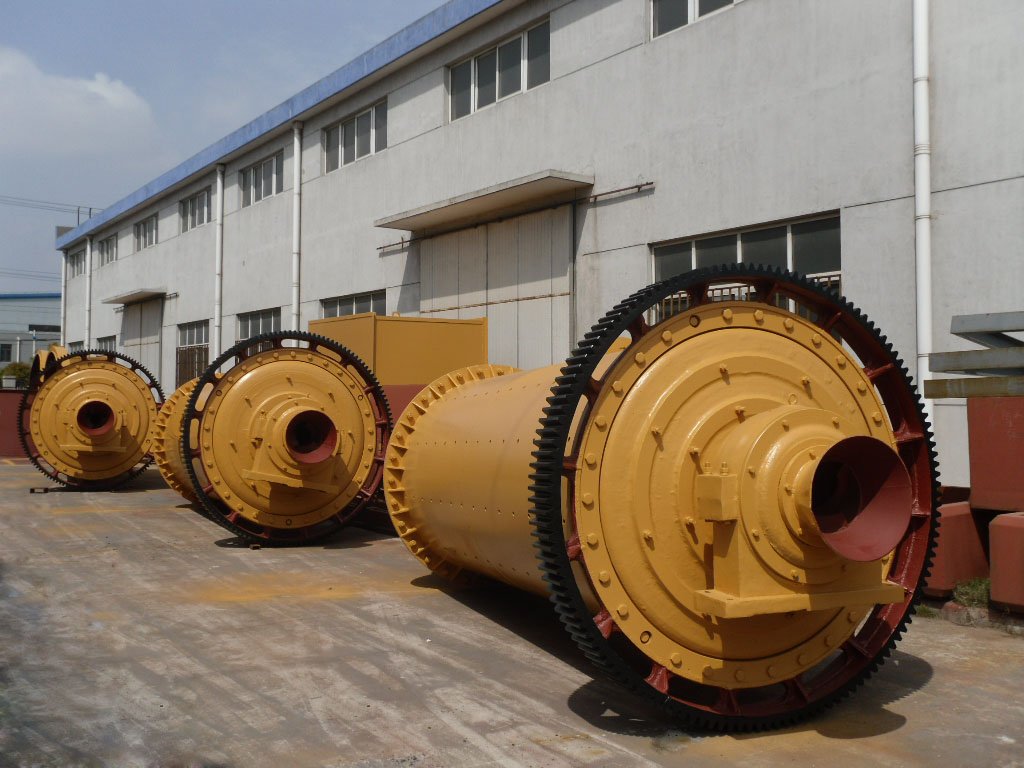
Dry grinding ball mills are a viable option, but they come with their own set of challenges, primarily significant dust generation and higher risk of ignition or explosion when processing volatile materials like coal. This is where modern, specialized grinding technology often presents a superior, more efficient, and safer alternative to the traditional ball mill.
The Modern Approach: Efficient Dry Grinding Solutions
For most modern coal processing operations, the goal is to achieve a fine, dry powder without the complications of added moisture or the safety hazards of dust. This is precisely the niche that advanced vertical roller mills and ultrafine grinding mills are designed to fill. They offer a closed-system, dry-grinding process that is not only more energy-efficient but also inherently safer and more environmentally friendly.
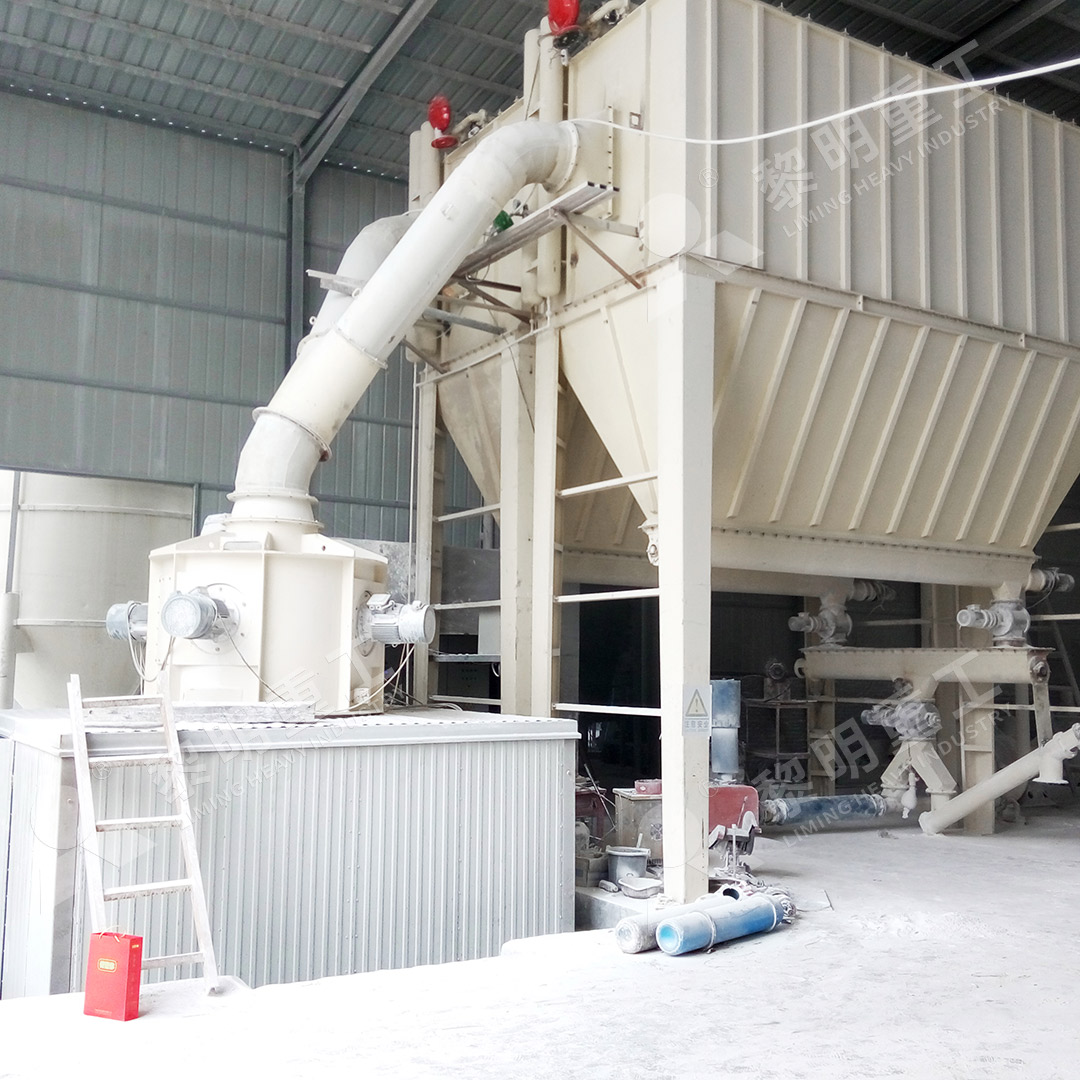
For instance, our MW Ultrafine Grinding Mill is an exceptional piece of equipment engineered for customers who need to produce ultra-fine dry powder from materials like petroleum coal. With an input size of 0-20 mm and a capacity range of 0.5-25 tph, it’s perfectly suited for various coal grinding applications. A key advantage is its design: there are no rolling bearings or screws in the grinding chamber. This eliminates common failure points and concerns about damage from loose parts, a significant benefit over traditional ball mills. Furthermore, it’s equipped with an efficient pulse dust collector and muffler, effectively containing dust and reducing noise, making the entire production process cleaner and compliant with environmental standards.
Why Choose Dry Grinding Technology?
The benefits of moving away from wet ball milling for coal are substantial:
- Higher Product Quality: Delivers a dry, moisture-free powder with optimal calorific value.
- Enhanced Safety: Closed systems with pulse dust collectors drastically reduce the risk of coal dust explosions.
- Lower Operating Costs: Eliminates the need for water handling, treatment, and the subsequent energy required to remove moisture. Mills like the MW series are also designed for higher yielding at lower energy consumption, using up to 70% less energy compared to some traditional systems.
- Environmental Compliance: No water pollution from process slurry and minimal dust emissions.
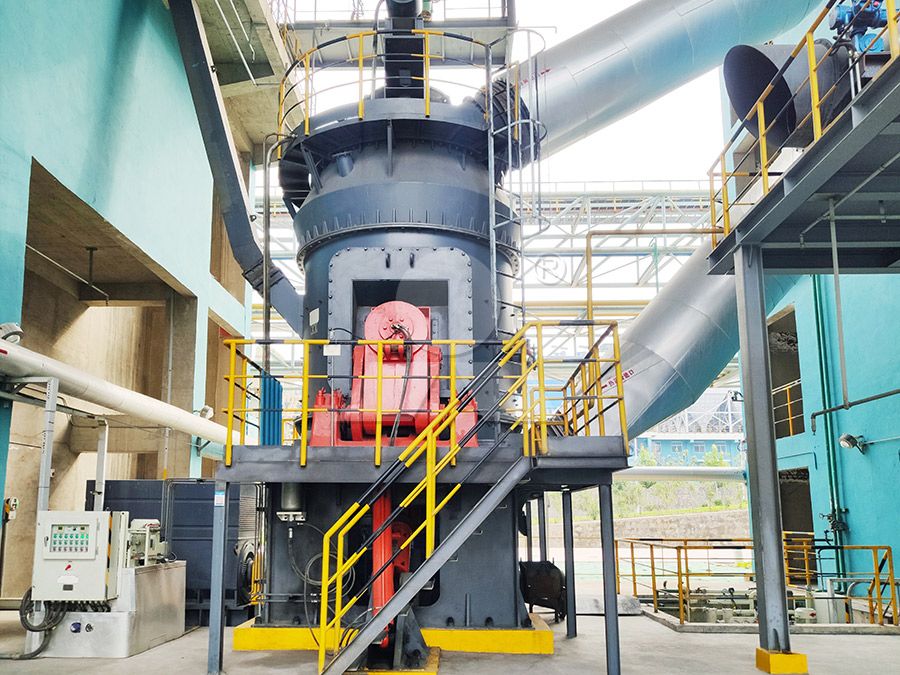
Another excellent solution for larger-scale operations is our LM Vertical Coal Mill. This mill integrates drying, grinding, powder selection, and conveying into a single, compact unit. It’s incredibly efficient, saving 40%-50% on power consumption compared to a ball mill, and its stable product quality and high degree of automation make it a top choice for major power plants and cement plants requiring pulverized coal.
Conclusion
While ball mills can use water for coal processing, the industry is rapidly shifting towards advanced dry grinding technologies. The operational headaches, safety risks, and energy inefficiencies of wet ball mills, and even of dry ball mills, make them a less attractive option. Investing in technology like our MW Ultrafine Grinding Mill or LM Vertical Coal Mill provides a more sustainable, economical, and reliable path to achieving the desired coal fineness for your specific application, all without a single drop of process water.