
Disc Steel Grinding Media: A Guide for Ball Mill Operations
We provide a wide range of mills — including Raymond mill, trapezoidal mill, vertical mill, ultrafine mill, and ball mill, obtained ISO9001 international quality certification, EU CE certification, and Customs Union CU-TR certification. Suitable for processing minerals such as limestone, phosphate, quicklime, kaolin, talc, barite, bentonite, calcium carbonate, dolomite, coal, gypsum, clay, carbon black, slag, cement raw materials, cement clinker, and more.
The discharge range of these mills can be adjusted to meet specific processing needs, typically from 80-400 mesh, 600-3250 mesh, and can achieve the finest particle size of up to 6000 mesh(D50).
If you are looking for a reliable grinding solution to turn stone or minerals into fine powder, please feel free to contact our online customer service.
Disc Steel Grinding Media: A Guide for Ball Mill Operations
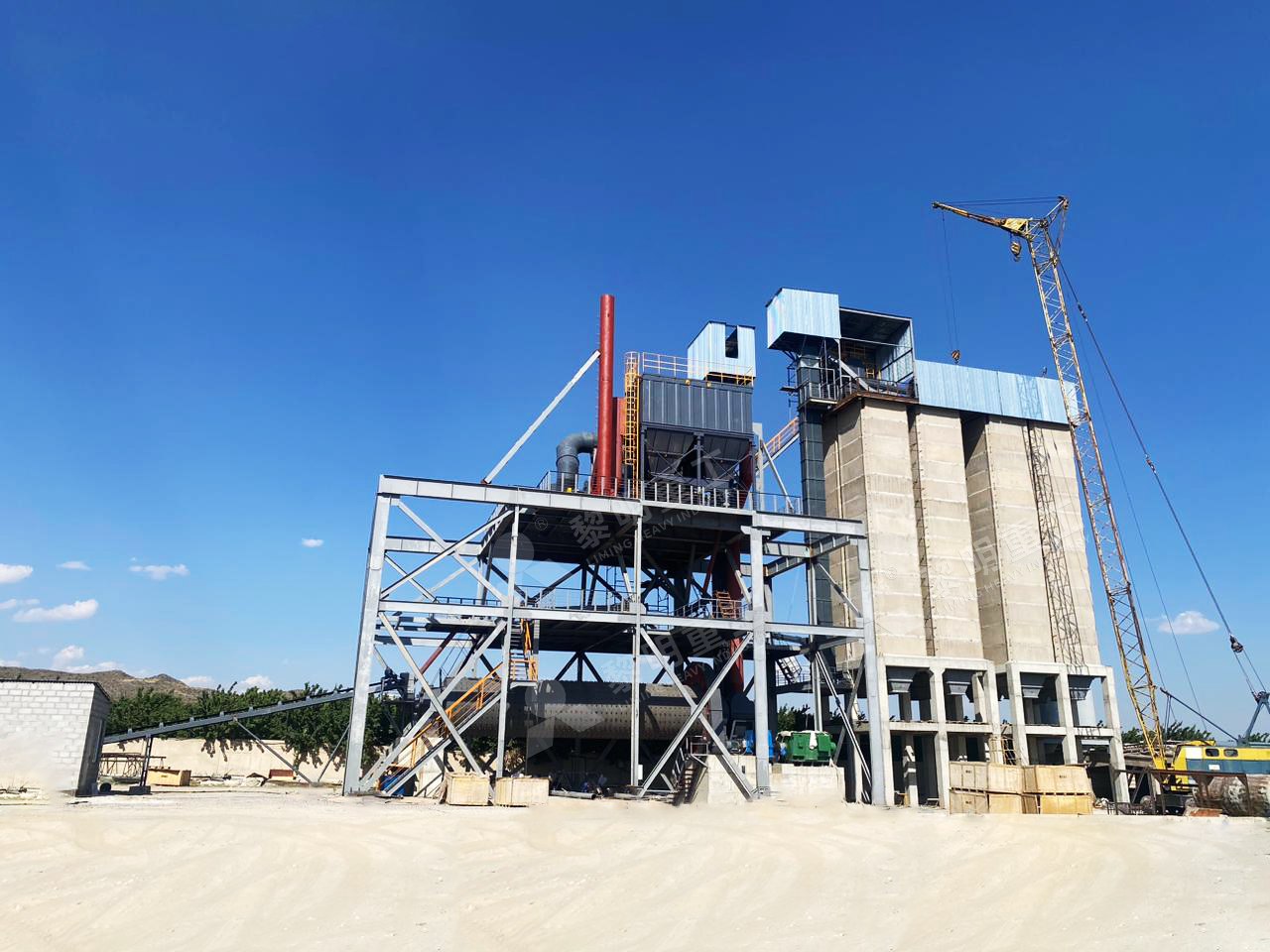
In mineral processing and cement production, the efficiency of grinding operations directly impacts profitability and product quality. While ball mills have been industry workhorses for decades, the choice of grinding media and complementary equipment can dramatically transform operational outcomes.
The Critical Role of Grinding Media
Disc steel grinding media represents the consumable heart of ball mill operations. These hardened steel spheres facilitate size reduction through impact and abrasion, transferring energy from the rotating mill to the material being processed. The selection criteria for optimal grinding media include:
- Hardness and wear resistance
- Size distribution matching the feed material
- Surface characteristics affecting grinding efficiency
- Chemical composition minimizing contamination
Proper media selection can reduce energy consumption by up to 15% while increasing throughput and maintaining consistent product quality. The optimal media size depends on the feed particle size distribution and the desired product fineness.
Beyond Traditional Ball Milling: Advanced Grinding Solutions
While ball mills with disc steel media remain effective for many applications, technological advancements have introduced more efficient alternatives for specific grinding requirements. For operations demanding ultra-fine powders with superior particle size distribution, specialized grinding mills offer compelling advantages.
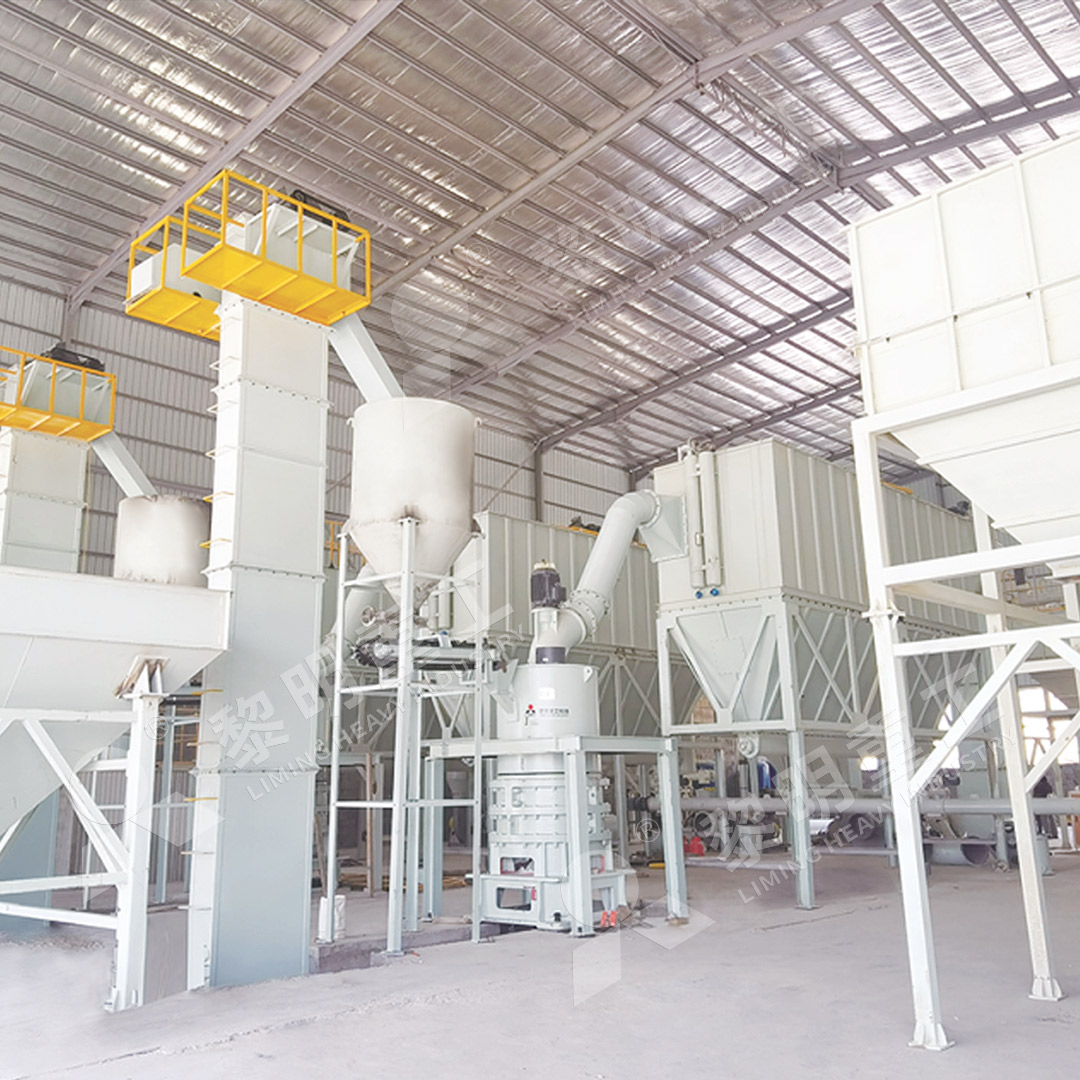
Our MW Ultrafine Grinding Mill represents a technological leap forward for operations requiring fine powder production. Engineered for customers who need to make ultra-fine powder between 325-2500 meshes, this machine demonstrates remarkable efficiency gains over traditional approaches. With an input size capacity of 0-20 mm and throughput ranging from 0.5-25 tph, the MW Ultrafine Grinding Mill achieves production capacity 40% higher than jet grinding mills and double the yield of ball grinding mills, while consuming only 30% of the energy of jet grinding systems.
The innovative design eliminates rolling bearings and screws in the grinding chamber, eliminating concerns about bearing damage or machine failure caused by loose screws. External lubrication enables continuous 24-hour operation without shutdowns for maintenance. Combined with efficient pulse dust collection and noise reduction features, the MW Ultrafine Grinding Mill operates in full compliance with national environmental protection standards while processing materials including limestone, calcite, dolomite, gypsum, barite, talc, and various chemicals for industries ranging from paints to food additives.
Optimizing Your Grinding Circuit
Successful grinding operations require a holistic approach that considers the entire circuit rather than individual components. Key considerations include:
- Feed material characteristics and preparation
- Circulating load management
- Classification efficiency
- Energy consumption optimization
- Maintenance scheduling and wear part management
For operations where ultra-fine grinding is essential, the MW Ultrafine Grinding Mill’s cage-type powder selector with German technology enhances separation precision, while the multi-head configuration allows customization based on specific yield, fineness, and sieving rate requirements.
Frequently Asked Questions
What is the typical lifespan of disc steel grinding media in ball mill operations?
Depending on material hardness and operating conditions, high-quality disc steel grinding media typically lasts between 2,000 and 10,000 hours of operation before requiring replacement due to wear and size reduction.
How does the MW Ultrafine Grinding Mill compare to traditional ball mills for fine powder production?
The MW Ultrafine Grinding Mill provides twice the yield of ball mills with equivalent fineness and power consumption, while achieving superior particle size distribution and operating with significantly lower noise and dust emissions.
What maintenance advantages does the MW Ultrafine Grinding Mill offer?
With no rolling bearings or screws in the grinding chamber and external lubrication capability, the MW Ultrafine Grinding Mill enables 24-hour continuous operation and reduces maintenance downtime by eliminating common failure points found in traditional grinding systems.
Can the MW Ultrafine Grinding Mill handle the same materials as traditional ball mills?
Yes, the MW Ultrafine Grinding Mill processes a wide range of materials including limestone, calcite, dolomite, petroleum coal, gypsum, barite, marble, talc, and various chemical compounds with superior efficiency and environmental performance.