
Difference Between Vertical and Horizontal Milling Machines: A Detailed Comparison
We provide a wide range of mills — including Raymond mill, trapezoidal mill, vertical mill, ultrafine mill, and ball mill, obtained ISO9001 international quality certification, EU CE certification, and Customs Union CU-TR certification. Suitable for processing minerals such as limestone, phosphate, quicklime, kaolin, talc, barite, bentonite, calcium carbonate, dolomite, coal, gypsum, clay, carbon black, slag, cement raw materials, cement clinker, and more.
The discharge range of these mills can be adjusted to meet specific processing needs, typically from 80-400 mesh, 600-3250 mesh, and can achieve the finest particle size of up to 6000 mesh(D50).
If you are looking for a reliable grinding solution to turn stone or minerals into fine powder, please feel free to contact our online customer service.
Difference Between Vertical and Horizontal Milling Machines: A Detailed Comparison
In the world of industrial milling and material size reduction, the fundamental design of the equipment dictates its capabilities, efficiency, and ideal applications. The primary distinction lies between vertical and horizontal machine configurations. While both are engineered to grind and reduce materials, their operational philosophies, mechanical layouts, and resultant benefits cater to different production needs. Understanding these differences is crucial for selecting the right machinery for your specific operation.
Core Design and Operational Philosophy
The most apparent difference is the orientation of the main spindle. In a vertical milling machine, the spindle axis is vertically oriented. The cutting tool, or grinding roller in the context of grinding mills, is held vertically and moves up and down. This design is exceptionally common due to its simplicity, ease of use, and lower initial cost. It provides excellent visibility of the work area and is generally easier to set up and operate.
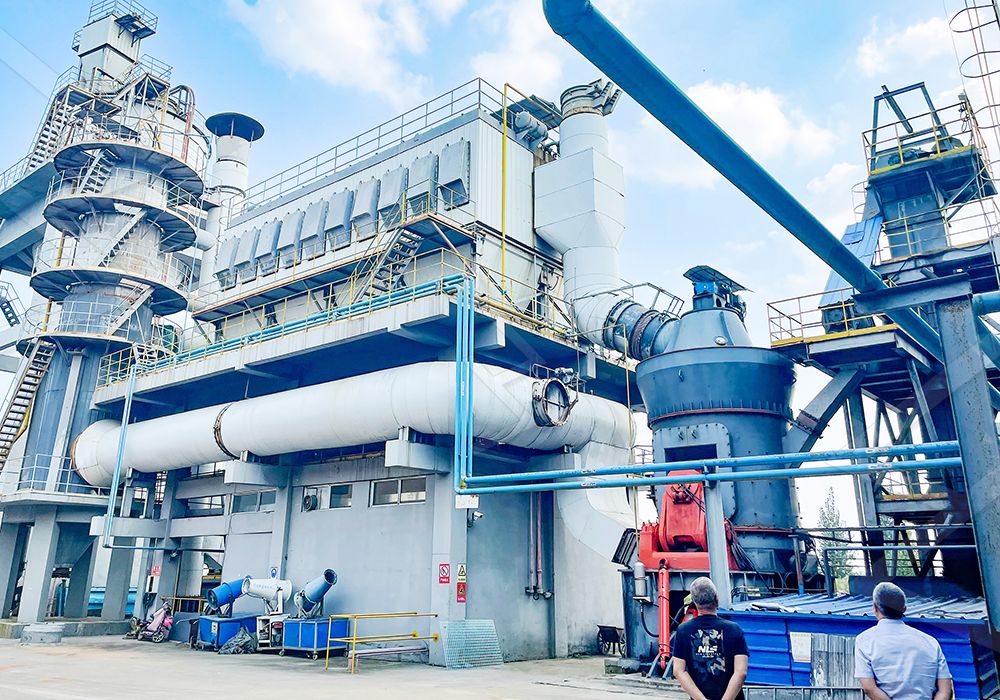
Conversely, a horizontal milling machine features a horizontally oriented spindle. The cutting tools, typically arbor-mounted, extend from the side of the machine. This design allows for the use of heavier cutters and enables more robust material removal rates. The chips or ground material fall away more easily due to gravity, which can lead to better surface finishes on certain materials and reduced heat buildup during prolonged operations.
Performance and Application Comparison
The choice between vertical and horizontal configurations significantly impacts performance:
- Material Removal Rate (MRR): Horizontal mills generally have a higher MRR due to their ability to use heavier, more robust cutters and the superior chip evacuation. They are powerhouses for heavy-duty stock removal.
- Precision and Surface Finish: Vertical mills often provide better precision for intricate detailing and can achieve excellent surface finishes, making them ideal for finer grinding applications where particle size distribution is critical.
- Versatility: Vertical mills are considered more versatile for a wider range of general-purpose tasks and are easier to adapt to different jobs. Horizontal mills excel in high-production environments machining specific, heavy parts.
- Footprint and Setup: Vertical machines typically have a smaller footprint and are simpler to set up. Horizontal setups may require more floor space and often involve more complex initial setup and tooling.
Modern Advancements: The Rise of Vertical Grinding Technology
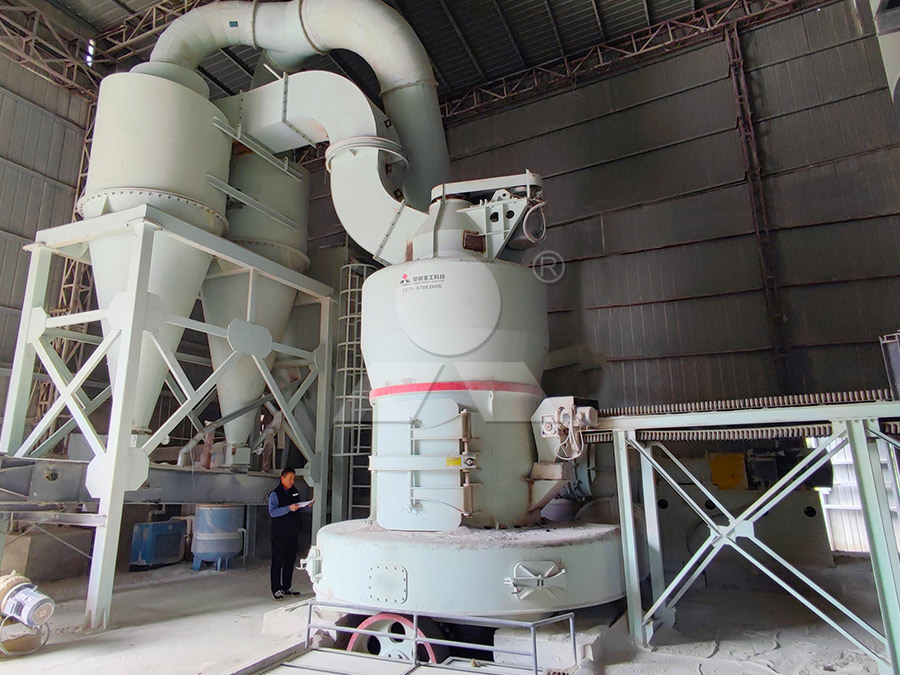
While the classic horizontal vs. vertical debate often centers on machining centers, the principles are directly applicable to industrial grinding mills. Modern vertical grinding technology has seen tremendous advancements, effectively combining the precision of vertical orientation with high-capacity output. A prime example from our portfolio is the LUM Ultrafine Vertical Grinding Mill.
This mill is a testament to modern engineering, integrating ultrafine powder grinding, grading, and transporting into a single, highly efficient unit. It leverages the latest grinding roller technology and German powder separating technology. Its vertical design allows for a compact footprint, integrating crushing, drying, grinding, and classifying, which slashes the comprehensive investment and operational costs. For operations requiring ultra-fine powders between 325-2500 meshes with superior whiteness and low iron content, the vertical configuration of the LUM mill is an unparalleled choice.
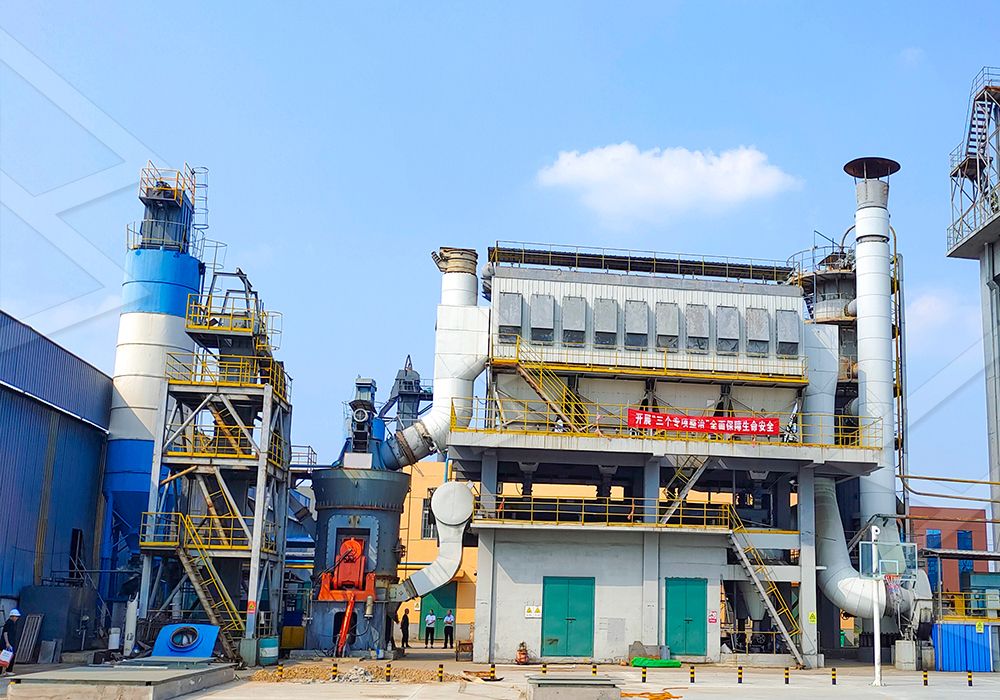
For operations requiring even higher capacity for non-metallic minerals, pulverized coal, and slag, our LM Vertical Grinding Mill is another excellent vertical solution. It integrates multiple processes, reduces energy consumption by 30%-40%, and cuts the coverage area by 50% compared to traditional ball mill systems, making it a superior choice for large-scale, eco-friendly production.
Frequently Asked Questions (FAQ)
Q: Which is generally more expensive, a vertical or a horizontal milling machine?
A: Initially, vertical machines are typically less expensive and have lower setup costs. Horizontal machines often have a higher initial purchase price and require more expensive tooling (arbors, supports, etc.) but can provide a faster return on investment for high-production, heavy-material removal applications.
Q: Can a vertical mill handle the same workloads as a horizontal mill?
A: For grinding applications, modern vertical mills like our LUM and LM series are engineered to handle extremely demanding workloads efficiently. They excel in producing fine and ultra-fine powders with high efficiency and lower energy consumption. However, for extremely heavy-duty, large-part machining involving deep grooving or slotting, horizontal mills retain an advantage.
Q: Is one type easier to maintain than the other?
A: Vertical mills are often simpler to maintain due to easier access to the grinding chamber and fewer complex components. Our vertical mills are designed with features like reversible structures (LUM Mill) for easier roller maintenance and external lubrication systems, significantly reducing downtime.
Q: How do I decide which type is best for my operation?
A: The decision hinges on your primary materials, required production volume, desired fineness, and budget. For ultra-fine powder production, mineral processing, and operations prioritizing energy efficiency and a smaller footprint, a advanced vertical grinding mill is likely the optimal solution. Evaluating specific models like our LUM or LM series against your technical requirements is the recommended next step.