
Difference Between Tube Mill and Ball Mill: A Detailed Comparison
We provide a wide range of mills — including Raymond mill, trapezoidal mill, vertical mill, ultrafine mill, and ball mill, obtained ISO9001 international quality certification, EU CE certification, and Customs Union CU-TR certification. Suitable for processing minerals such as limestone, phosphate, quicklime, kaolin, talc, barite, bentonite, calcium carbonate, dolomite, coal, gypsum, clay, carbon black, slag, cement raw materials, cement clinker, and more.
The discharge range of these mills can be adjusted to meet specific processing needs, typically from 80-400 mesh, 600-3250 mesh, and can achieve the finest particle size of up to 6000 mesh(D50).
If you are looking for a reliable grinding solution to turn stone or minerals into fine powder, please feel free to contact our online customer service.
Difference Between Tube Mill and Ball Mill: A Detailed Comparison
In the world of mineral processing and size reduction, two names often come up: the Tube Mill and the Ball Mill. While sometimes used interchangeably by those less familiar with the industry, these two grinding mills have distinct differences in design, operation, and application. Understanding these differences is crucial for selecting the right equipment for your specific needs, ultimately impacting your operation’s efficiency, energy consumption, and final product quality.
Fundamental Design and Operation
At their core, both mills utilize the same basic principle: impact and attrition grinding using grinding media. However, their execution differs significantly.
A Ball Mill is a robust, horizontal rotating cylinder (or shell) filled with grinding media, typically steel balls. The shell’s rotation causes the balls to cascade and tumble, crushing and grinding the material fed into the chamber through a combination of impact and abrasion. The fineness of the product is controlled by the residence time of the material inside the mill.
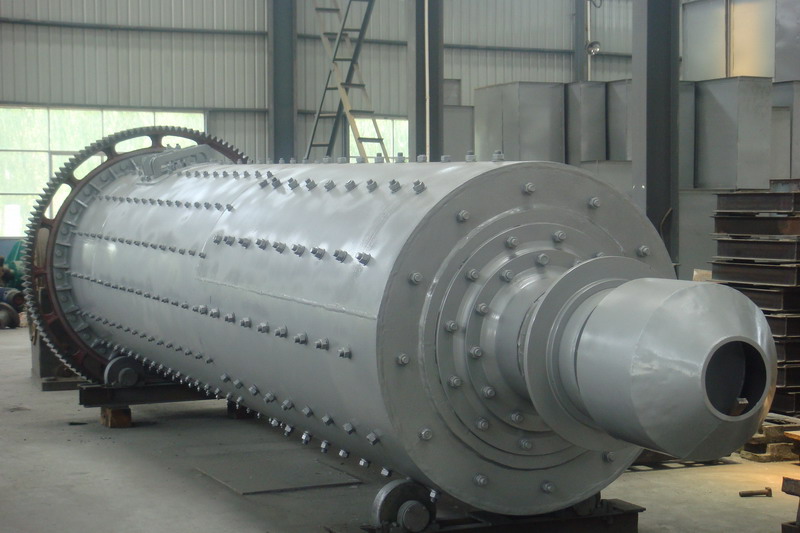
A Tube Mill is often considered a synonym for a ball mill, but it traditionally refers to a longer, cylindrical mill used primarily in the cement industry for wet or dry grinding of raw materials. The key differentiator is often its length-to-diameter ratio, which is significantly higher than that of a standard ball mill. This elongated design allows for a longer residence time and a more gradual size reduction as the material travels from the feed end to the discharge end.
Key Comparison Points
| Aspect | Ball Mill | Tube Mill |
|---|---|---|
| Length/Diameter Ratio | Near 1 to 1.5 (shorter, stouter) | Significantly greater than 1 (long, cylindrical) |
| Primary Grinding Mechanism | Impact & Attrition | Attrition (more pronounced) |
| Typical Application | General purpose, finer grinding | Coarse grinding, raw material preparation (e.g., cement) |
| Energy Consumption | Generally high | Can be very high due to longer length |
Modern Alternatives: Moving Beyond Traditional Mills
While tube and ball mills have been industry workhorses for decades, technological advancements have led to more efficient and specialized equipment. For operations requiring ultra-fine powders with higher yields and significantly lower energy consumption, traditional mills are often not the optimal choice.
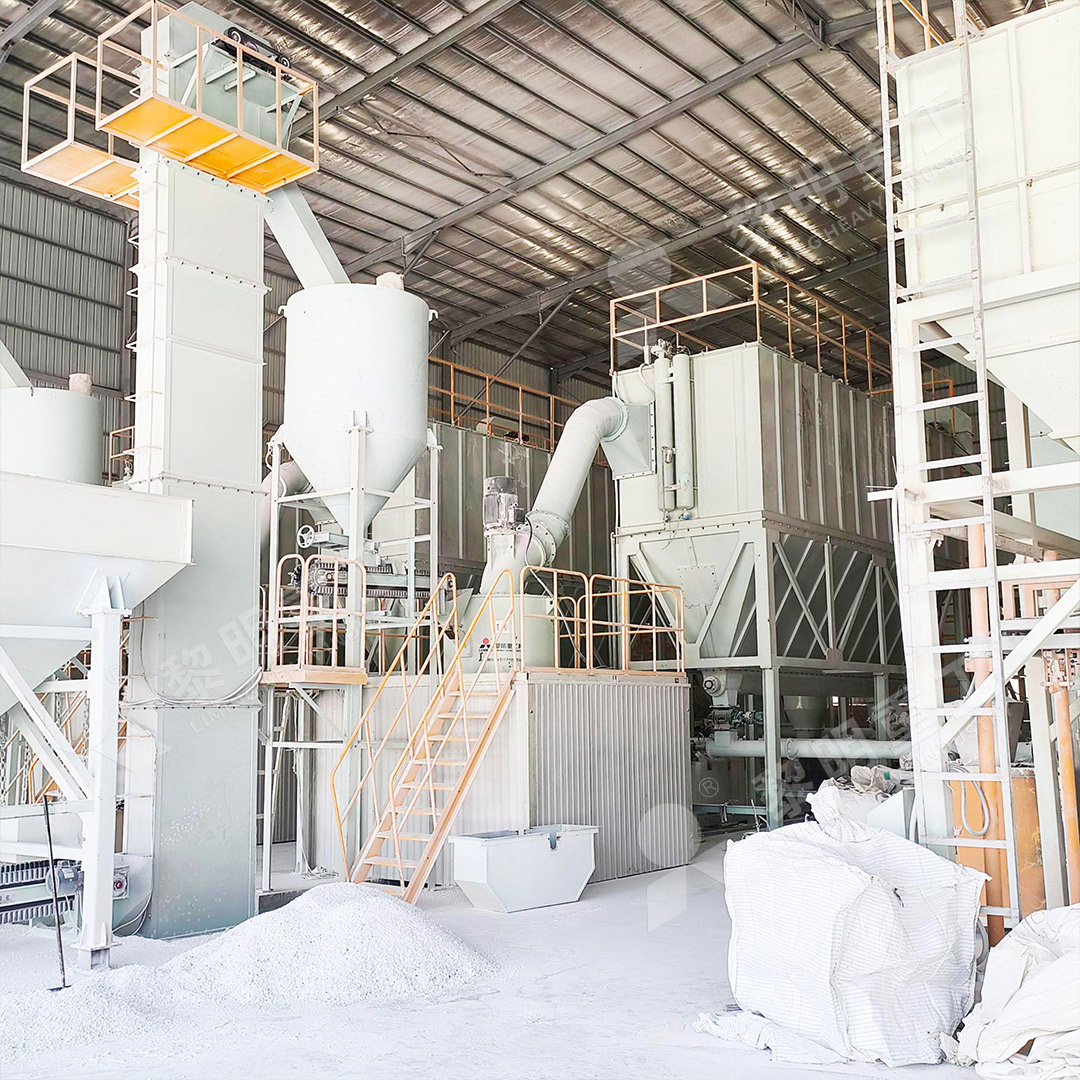
For instance, our MW Ultrafine Grinding Mill represents a leap forward in grinding technology. Designed for customers who need to make ultra-fine powder (adjustable between 325-2500 meshes), it adresses many of the shortcomings of ball mills. With an input size of 0-20 mm and a capacity range of 0.5-25 tph, it’s a versatile solution. Its ingenius design, featuring a cage-type powder selector and the absence of rolling bearings in the grinding chamber, eliminates common failure points. Crucially, it offers 40% higher production capacity with the same fineness and power, while reducing system energy consumption to just 30% of that of jet mills. This makes it perfect for processing materials like limestone, calcite, dolomite, and talc for industries ranging from chemicals to cosmetics.
Conclusion: Choosing the Right Tool for the Job
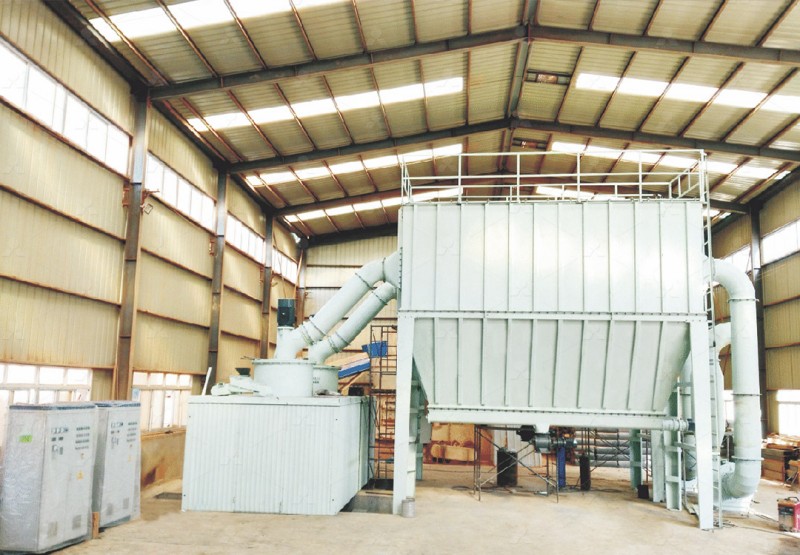
The choice between a tube mill, a ball mill, or a more modern alternative like our MW series ultimately depends on your specific material, desired fineness, capacity requirements, and operational budget. Tube mills excel in heavy-duty, coarse grinding applications, while ball mills are a general-purpose solution. However, for the most demanding ultra-fine grinding tasks where efficiency, lower energy costs, and environmental considerations are paramount, advanced mills like the MW Ultrafine Grinding Mill or our LUM Ultrafine Vertical Grinding Mill are unparalleld. They offer superior control, higher yields, and a smaller operational footprint, representing the future of industrial grinding.
Always consult with an expert to analyze your process needs and select the mill that will deliver the best return on investment and product quality for your operation.