
Difference Between Stone Mill and Stone Grinder: Which One Is Right for You?
We provide a wide range of mills — including Raymond mill, trapezoidal mill, vertical mill, ultrafine mill, and ball mill, obtained ISO9001 international quality certification, EU CE certification, and Customs Union CU-TR certification. Suitable for processing minerals such as limestone, phosphate, quicklime, kaolin, talc, barite, bentonite, calcium carbonate, dolomite, coal, gypsum, clay, carbon black, slag, cement raw materials, cement clinker, and more.
The discharge range of these mills can be adjusted to meet specific processing needs, typically from 80-400 mesh, 600-3250 mesh, and can achieve the finest particle size of up to 6000 mesh(D50).
If you are looking for a reliable grinding solution to turn stone or minerals into fine powder, please feel free to contact our online customer service.
Difference Between Stone Mill and Stone Grinder: Which One Is Right for You?
Hey there, fellow industry proffesionals! If you’re in the market for stone processing equipment, you’ve probably come across the terms “stone mill” and “stone grinder” and wondered what the heck the difference is. Well, you’re not alone. It’s a common point of confusion, and choosing the wrong one can seriously impact your operation’s efficiency and bottom line. Let’s break it down in plain English.
The Core Difference: It’s All About the Process
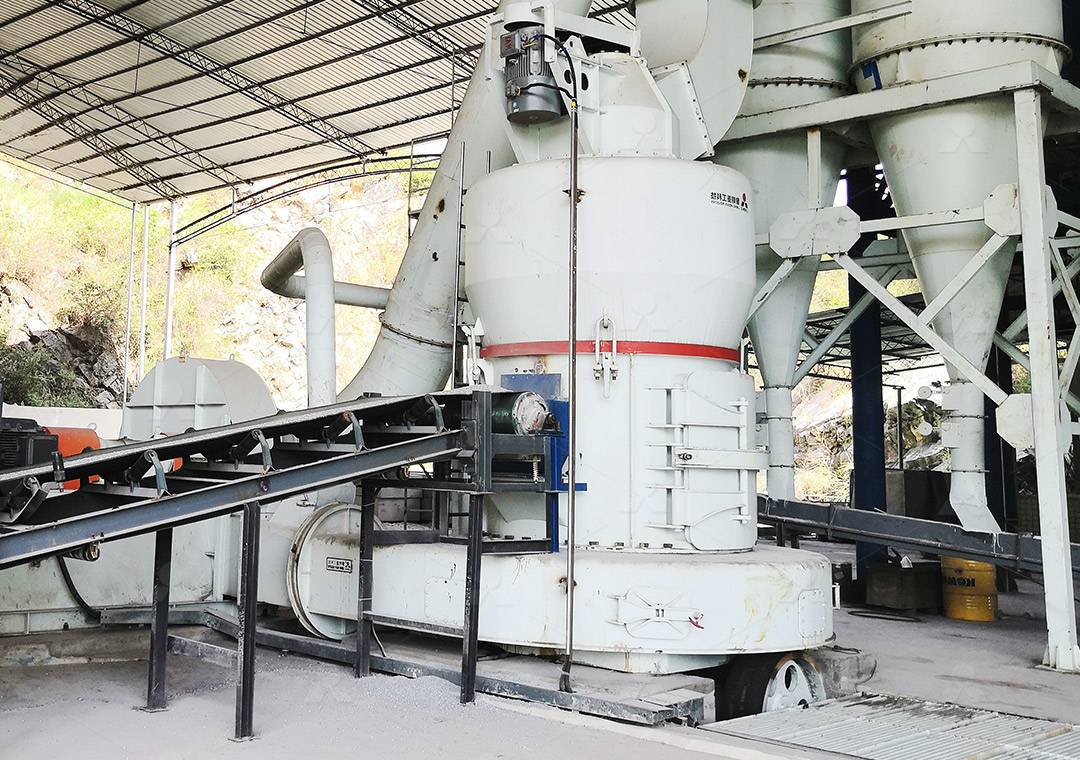
At its simplest, a stone mill typically refers to equipment that uses a milling action – think crushing, shearing, and impact – often between two surfaces. It’s a broader term. A stone grinder, on the other hand, is a type of mill that specifically focuses on the abrasive reduction of material into finer and finer powders. All grinders are mills, but not all mills are exclusively grinders. The key distinction often lies in the fineness of the end product and the mecahnism used to achieve it.
Key Factors to Consider for Your Operation
So, how do you choose? Ask yourself these questions:
- Input Size: How big are the chunks of material you’re starting with? Some machines handle boulders, others need pre-crushed feed.
- Desired Output Fineness: Are you making coarse gravel or ultra-fine powder measured in microns? This is the biggest deciding factor.
- Capacity (tph): How much material do you need to process per hour? Don’t under-size your machine!
- Application: What is the final powder used for? Cosmetics, construction, and chemicals all have different purity and quality requirements.
- Operating Costs: Consider energy consumption, maintenance downtime, and wear part replacement.
When Ultra-Fine is the Goal: The MW Ultrafine Grinding Mill
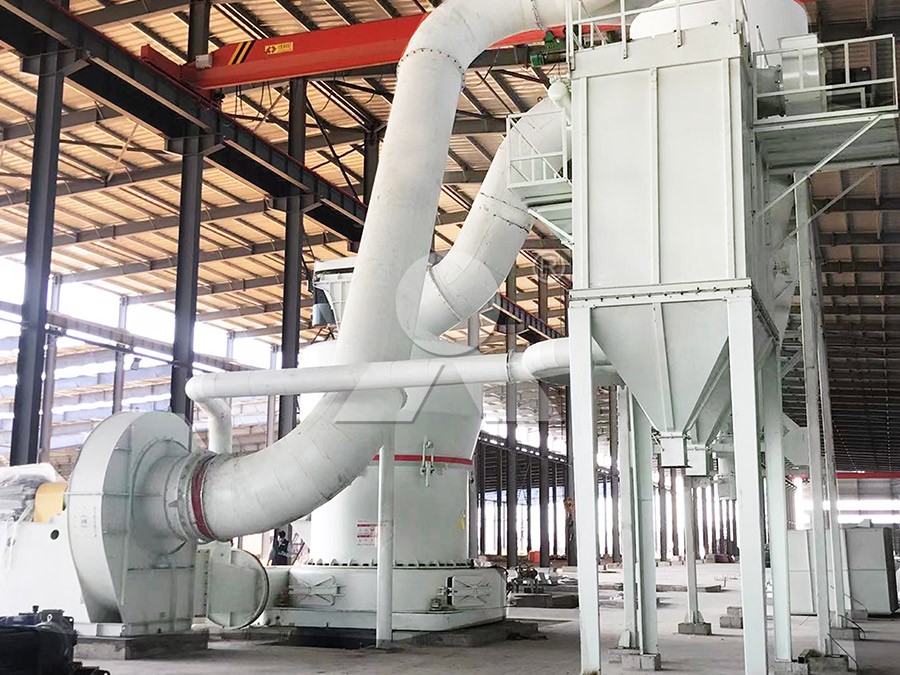
For operations that demand superfine powders (think 325 to 2500 meshes!), a standard mill won’t cut it. You need a dedicated ultrafine grinder. This is where our MW Ultrafine Grinding Mill really shines. It’s engineered for customers who need to make ultra-fine powder for high-value industries like paints, cosmetics, and food additives.
Why it’s a standout choice:
- Precision Fineness: Its German-tech cage-type powder selector lets you dial in the exact fineness you need, up to an incredible 2500 meshes, with a screening rate of d97≤5μm. That’s some fine powder!
- Built for Uptime: A genius design feature – there are no rolling bearings or screws in the grinding chamber. This eliminates a major source of failure and machine damage from loose parts. Lubrication is done externally without shutting down.
- Eco-Friendly Operation: It comes equipped with an efficient pulse dust collector and silencer, so you can meet strict environmental standards without a headache.
- Higher Yield, Lower Energy: It provides 40% higher production capacity than jet mills and double the yield of ball mills, all while using 30% less energy. That’s efficiency you can take to the bank.

Another Powerhouse: The LUM Ultrafine Vertical Grinding Mill
For another excellent option with a different grinding philosophy, check out our LUM Ultrafine Vertical Grinding Mill. It integrates grinding, grading, and transporting in one sleek, vertical design. Its key advantage is the unique roller shell and lining plate grinding curve, which is easier to generate a material layer and achieves a high rate of finished product in a single pass. This means better whiteness and cleanliness – a huge plus for quality-conscious industries.
The Bottom Line
Understanding the nuance between a general stone mill and a precision stone grinder is crucial. For coarse to medium grinding, a robust mill might suffice. But when your business depends on consistently producing high-quality, ultra-fine powders, you need a dedicated grinding solution designed for that purpose.
If your goals align with ultra-fine production, higher yields, and lower operating costs, we strongly reccomend taking a closer look at our MW Ultrafine Grinding Mill. It’s a workhorse built for modern, demanding applications.
Hopefully, this clears things up! Always match the machine’s capabilities to your specific material and production goals. Do that, and you’ll have a profitable and efficient operation for years to come.